Ferocactus hamatacanthus ssp. sinuatus: The Elegant and Wavy-Spined Desert Gem
1. Origin of Name:
The genus "Ferocactus" is derived from Latin, with "ferus" meaning "fierce" and "cactus" referring to its spiny, hardy appearance. The species "hamatacanthus" comes from Greek roots: "hamato," meaning "hooked" or "curved," and "acanthus," meaning "spine," describing the plant’s hooked, curved spines characteristic of the species. The subspecies "sinuatus" is Latin for "wavy" or "serrated," highlighting the plant’s distinctive wavy, undulating spines that give it an elegant and intricate look. This cactus’s name emphasizes its striking spine pattern and wild beauty, embodying both fierceness and grace.
2. Origin of Plant:
Ferocactus hamatacanthus ssp. sinuatus is native to the semi-arid desert regions of northern Mexico, particularly in states like Sonora and Baja California. It typically grows in rocky slopes, desert plains, and canyon walls, thriving in extreme sun exposure and well-drained soils. Discovered during explorations of North American deserts, it remains a symbol of resilience and the diverse architectural beauty of desert flora.
3. Description:
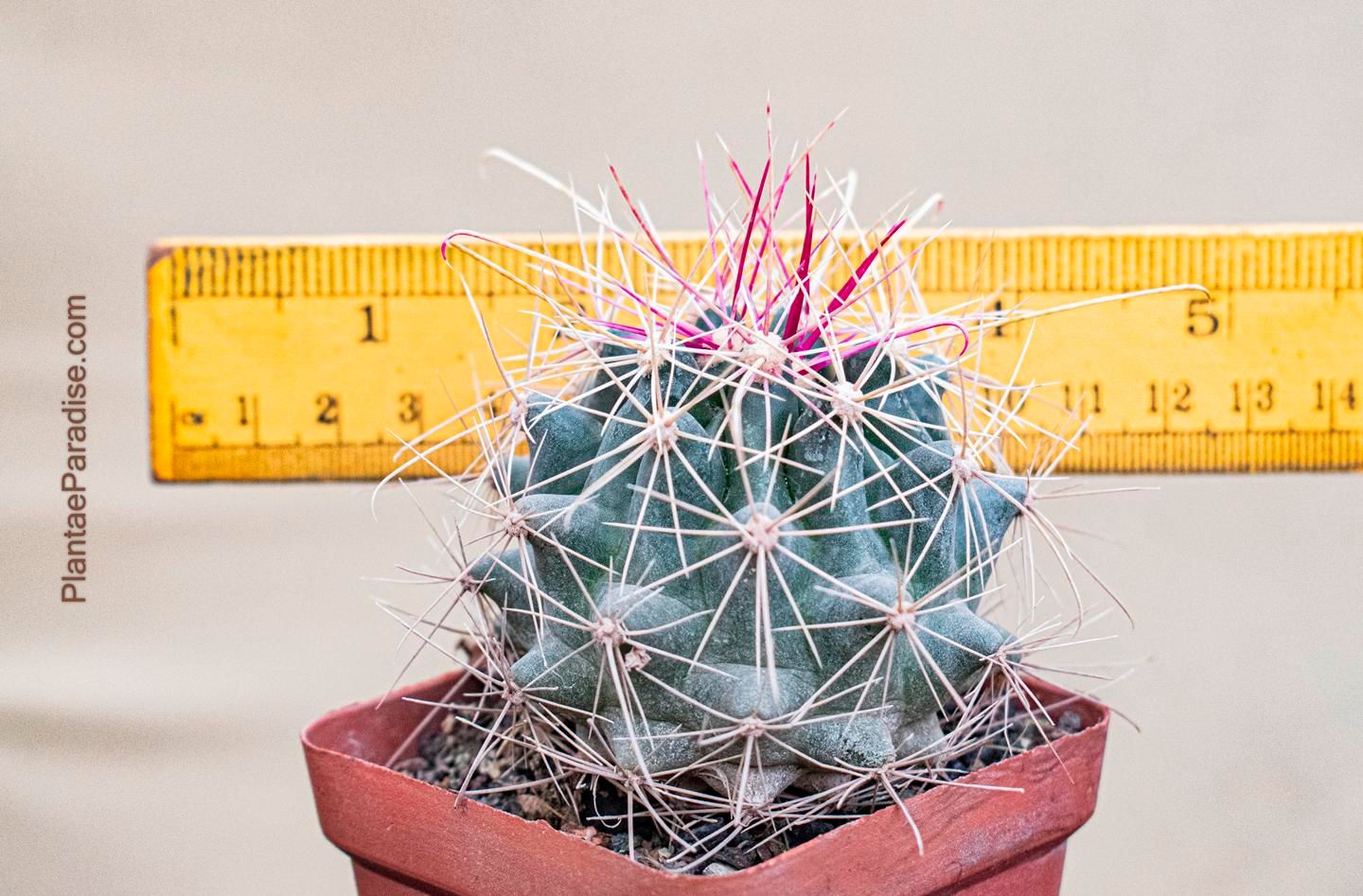
This captivating cactus features a stout, barrel-shaped body adorned with slender, curved spines that radiate outward in a distinctive, wavy pattern. The spines are typically golden-yellow or brown, with some darker tips, creating a beautifully undulating appearance. Its surface is ribbed, and it often produces vibrant yellow or orange flowers in late spring to early summer at the top, attracting pollinators. The intricately curved and sinuate spines give this cactus a refined, almost sculptural quality, making it a prized specimen for enthusiasts who appreciate detailed and unusual forms.
4. Conservation Status:
Though not currently endangered, Ferocactus hamatacanthus ssp. sinuatus faces threats from habitat destruction and illegal collection. Its stunning appearance makes it a sought-after collector’s plant, underscoring the importance of sustainable cultivation and propagation. Responsible sourcing helps preserve its wild populations and promotes conservation.
5. Care:
To grow Ferocactus hamatacanthus ssp. sinuatus successfully:
- Watering: Water sparingly, allowing the soil to dry out completely between watering. Cut back watering significantly in winter.
- Soil: Use a well-draining cactus or gritty sandy mix with added gravel or perlite.
- Light: Needs full sun for at least 6 hours daily to develop healthy spines and vibrant flowers.
- Temperature: Prefers warm temperatures between 65°F (18°C) and 90°F (32°C). Protect from frost—bring indoors in colder seasons.
- Tips: Fertilize lightly during the active growing season with a cactus combination fertilizer. Regularly check for pests like scale and mealybugs.
Ferocactus hamatacanthus ssp. sinuatus is admired for its exquisite, wavy spines and sculptural beauty. Its elegant form and vibrant blooms make it a stunning focal point, showcasing the wild artistry of desert landscapes and offering a truly distinctive addition to any cactus collection.