

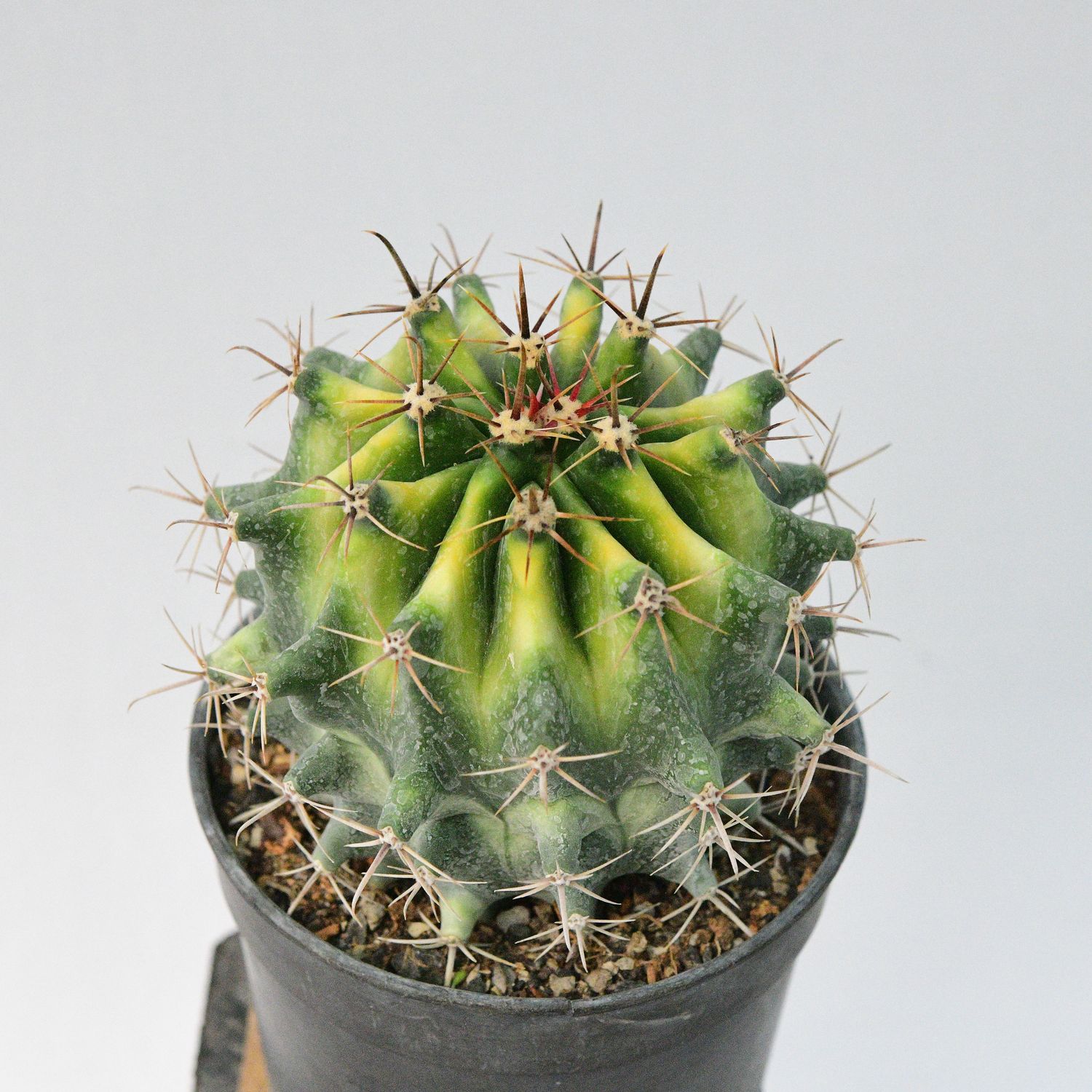
Ferocactus herrerae Hybrid Variegated
Product Details
Architectural Radiance: Ferocactus herrerae Hybrid Variegated
A masterwork of geometric precision and chlorophyll mutation, this rare specimen is a living centerpiece for the discerning collector.
- Origin & History of Name: The genus name Ferocactus is derived from the Latin ferox (fierce), referring to the plant’s formidable spines.
This specific epithet honors Spanish biologist Alfonso L. Herrera, a pioneer of Mexican biology in the early 20th century. The "Hybrid Variegated" designation indicates a deliberate horticultural cross-breeding intended to isolate and stabilize genetic mutations in pigmentation. - Morphology: This specimen exhibits a globose to cylindrical body characterized by prominent costae (ribs) that provide structural rigidity and allow for expansion during water uptake. Its most striking feature is the sectoral variegation, where the epidermis lacks chlorophyll in specific regions, resulting in vibrant yellow or cream streaks against a glaucous green base.
The areoles produce stout, often hooked central spines, a hallmark of the genus. - Habitat & Origin: While the parent species Ferocactus herrerae is native to the coastal plains of Sonora and Sinaloa, Mexico, this variegated hybrid is a cultivar produced in a controlled nursery environment. It does not exist in the wild. Our specimens are sourced from ethical breeding programs that utilize sustainable propagation techniques, ensuring no pressure is placed on wild Mexican populations.
- Cultivation Profile:
- Substrate: A strictly mineral-based mix (60% grit/pumice/perlite and 40% organic matter). In the Indian context, avoid standard garden soil which retains excessive moisture during the monsoon.
- Light: Requires bright, indirect sunlight. In the intense Indian summer, provide 30-50% shade to prevent the non-chlorophyllous (yellow) sections from scorching.
- Water/Dormancy: Water deeply only when the medium is bone-dry. During the winter dormancy (December–February) and the peak humid monsoon, reduce watering significantly to prevent root rot.
- Scientific/Historical Anecdote: Members of the Ferocactus genus are often called "Compass Barrels" because larger wild specimens frequently lean toward the southwest. This occurs because the northern side grows faster than the sun-exposed southern side, creating a natural, biological orientation tool that has historically aided travelers in the North American deserts.
New

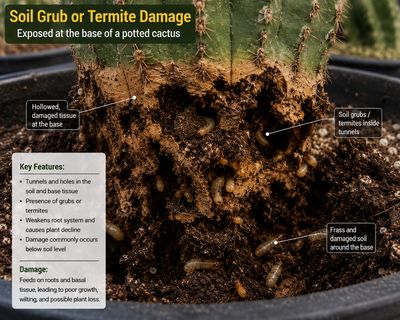
Monsoon Guardian Kit (5 in 1)
Monsoon Guardian Kit (5 in 1)
Complete 5-in-1 biological protection kit for cacti & succulents
SKU MNS024
₹850.00
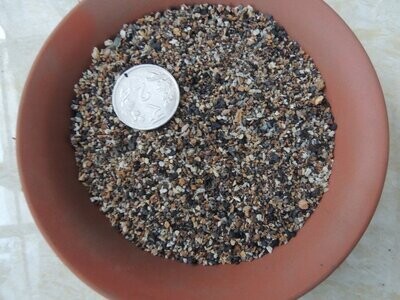
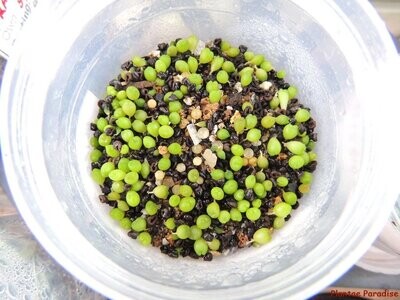
Cactus Seed Planting Mix
Cactus Seed Planting Mix
Sterile, Fine-Grain Media for Cactus & Succulent Seeds
SKU MNS005
₹74.85


Cactus & Succulent Planting Mix FINE (aka Cactus Soil Mix or Succulent Soil Mix)
Cactus & Succulent Planting Mix FINE (aka Cactus Soil Mix or Succulent Soil Mix)
Fine-Grain Potting Mix for Cactus & Succulent Roots
SKU MNS001
₹39.85