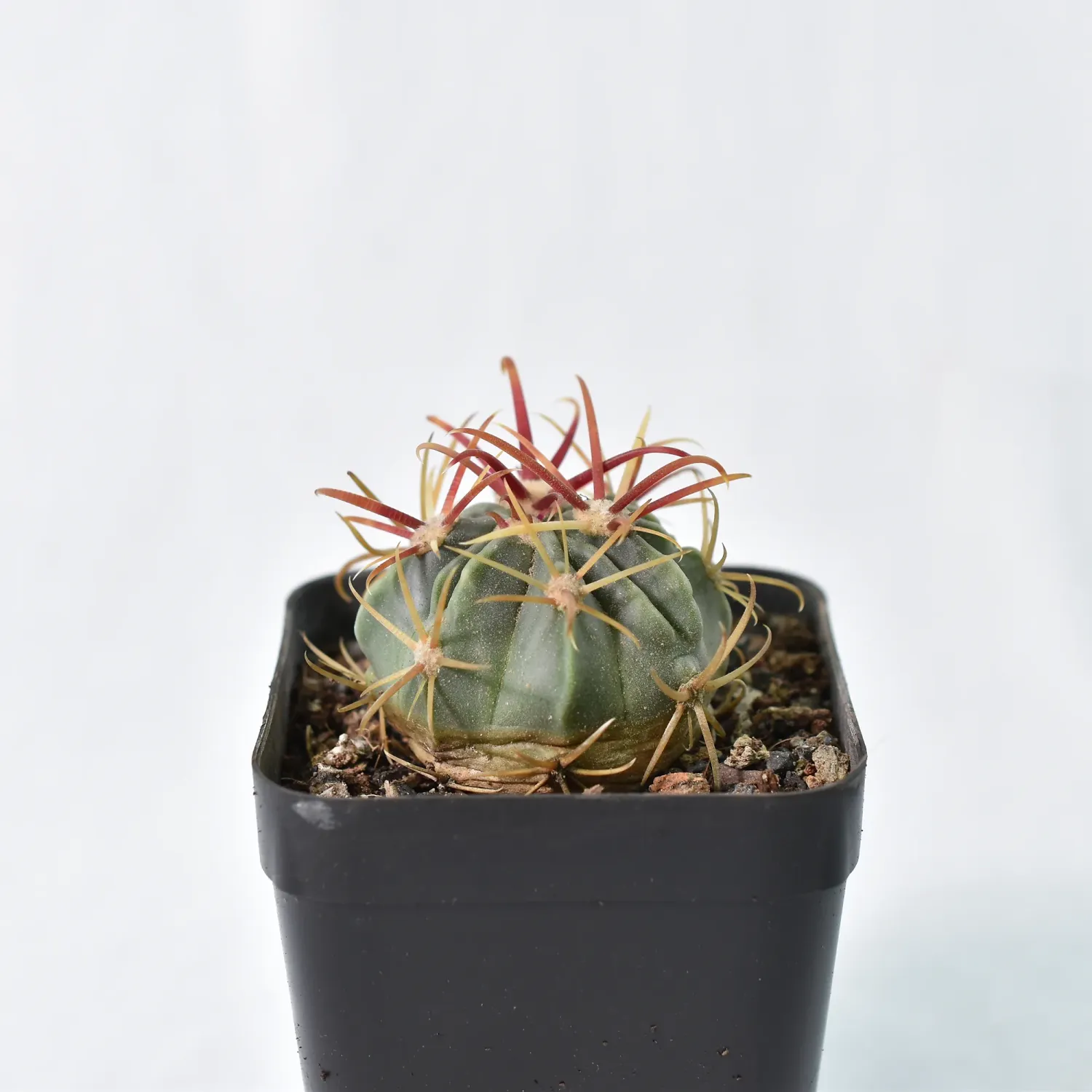
Ferocactus latispinus rubra
Product Details
The Crimson Crow: Ferocactus latispinus rubra
A stunning architectural masterpiece defined by its fierce, ruby-red hooked spines and deep emerald ribs.
- Origin & History of Name: The genus name Ferocactus is derived from the Latin ferox (fierce), referencing the plant’s formidable spines.
The specific epithet latispinus combines latus (wide) and spinus (spine), while the cultivar name rubra highlights the intensified red pigmentation of the spines. It was formally described in the 19th century, becoming a staple for botanists fascinated by its "Devil’s Tongue" appearance. - Morphology: This barrel cactus features a globular, glaucous epidermis organized into 15–23 prominent costae (ribs).
Its most striking feature is the areole structure, which produces broad, flattened central spines that curve downward like a bird's beak. These spines turn a vivid, translucent red when wet, contrasting against the radial spines and the occasional purple-to-red diurnal flowers. - Habitat & Origin: Ferocactus latispinus is a wild species native to the high plateau regions of Central and Northern Mexico. The rubra variant is a selected form bred for enhanced spine color. Our specimens are nursery-grown via sustainable propagation practices to prevent the poaching of wild Mexican populations.
- Cultivation Profile:
- Substrate: A strictly mineral-based mix consisting of 70% inorganic material (pudding stone, coarse sand, or perlite) and 30% organic matter to ensure rapid drainage during monsoon seasons.
- Light: Requires full, direct sun. In the Indian subcontinent, provide slight afternoon shade during peak summer (April–June) to prevent epidermis scorching.
- Water/Dormancy: Follow a "soak and dry" method. Water sparingly during the growing season and keep completely dry during the winter dormancy (December–February) to prevent root rot in high-humidity regions.
- Scientific/Historical Anecdote: Unlike many cacti that rely on bright flowers to attract pollinators, the Ferocactus genus possesses extrafloral nectaries.
These specialized glands located above the spine clusters secrete a sweet fluid that attracts ants; the ants, in turn, act as a "security force," protecting the cactus from herbivorous insects.


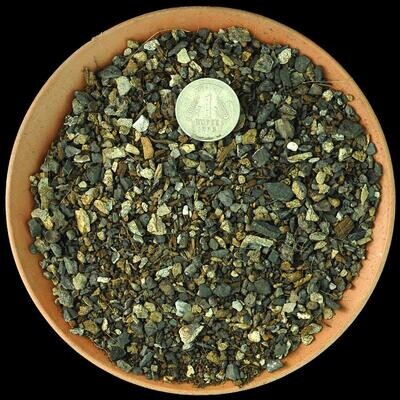
Cactus Seed Planting Mix
Cactus Seed Planting Mix
Sterile, Fine-Grain Media for Cactus & Succulent Seeds
SKU MNS005
₹74.85

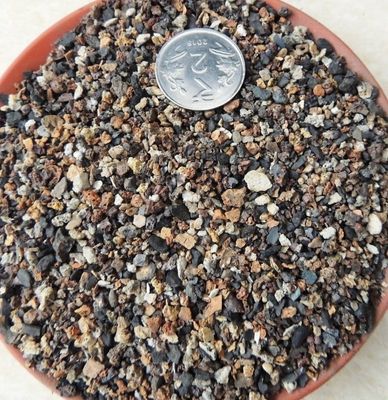
Cactus & Succulent Planting Mix COARSE (aka Cactus Soil Mix or Succulent Soil Mix)
Cactus & Succulent Planting Mix COARSE (aka Cactus Soil Mix or Succulent Soil Mix)
Washed, Free-Draining Mineral Mix for Cactus & Succulents
SKU MNS003
₹44.85
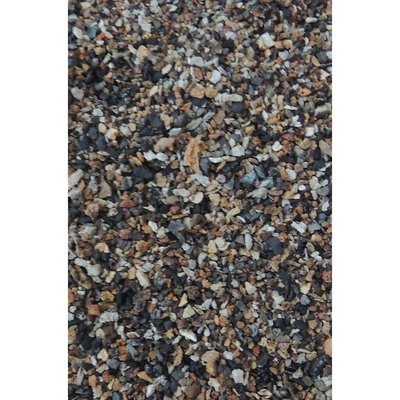
Cactus & Succulent Planting Mix FINE (aka Cactus Soil Mix or Succulent Soil Mix)
Cactus & Succulent Planting Mix FINE (aka Cactus Soil Mix or Succulent Soil Mix)
Fine-Grain Potting Mix for Cactus & Succulent Roots
SKU MNS001
₹39.85