

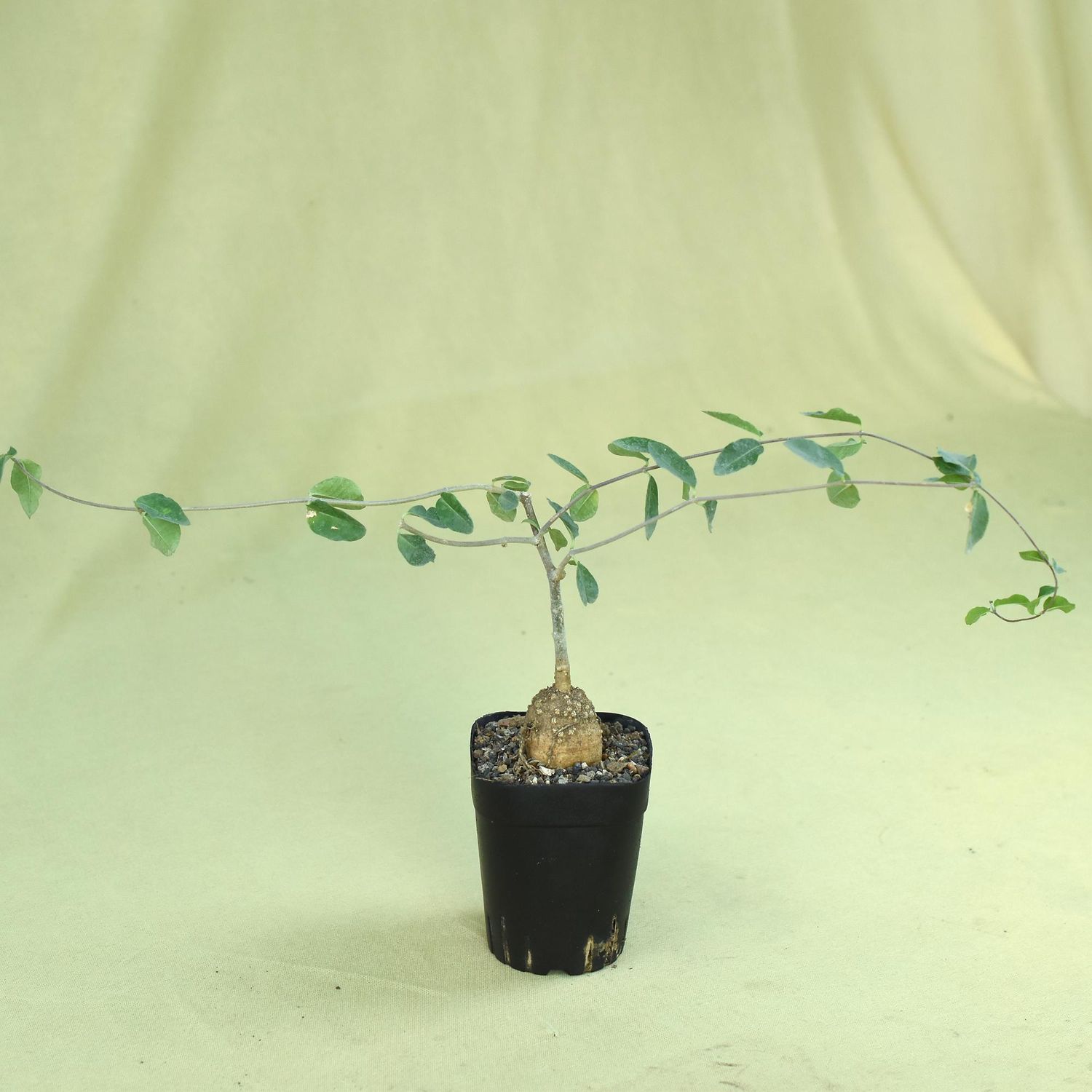
Fockea edulis
Product Details
Sculpted Antiquity: Fockea edulis
A prehistoric centerpiece for your collection, this slow-growing "Hottentot Bread" boasts a massive, silver-grey caudex that lasts for generations.
- Origin & History of Name: The genus name Fockea was established by German botanist Endlicher in 1839 to honor Gustav Waldemar Focke, a physician and botanist from Bremen known for his work on plant physiology. The specific epithet edulis is Latin for "edible," referring to the traditional use of the tuberous root as a food source by indigenous peoples in Southern Africa, provided the bitter latex is properly processed.
- Morphology: This pachycaul (thick-stemmed) succulent is defined by its massive caudex, a perennial swollen root system that functions as a water-storage organ.
- Habitat & Origin: Fockea edulis is a wild species native to the arid regions of Southern Africa, ranging from the Eastern Cape to Namibia.
- Cultivation Profile (Indian Context):
- Substrate: Use a strictly mineral-based, gritty mix. A combination of 50% crushed brick or pumice, 30% coarse river sand, and 20% organic compost works best to prevent root rot during Indian monsoons.
- Light: Requires bright, indirect sunlight. In the Indian subcontinent, morning sun is beneficial, but the plant should be shielded from the scorching afternoon sun (35°C+) to prevent the vines from desiccating.
- Water/Dormancy: Water thoroughly when the substrate is completely dry during the growing season (March to October). During the winter months or peak monsoon humidity, reduce watering significantly as the plant enters a semi-dormant state.
- Scientific/Historical Anecdote: The Fockea genus holds a place in botanical history for its longevity. A famous specimen of the related Fockea capensis was brought to the Schönbrunn Palace Gardens in Vienna in the late 18th century.
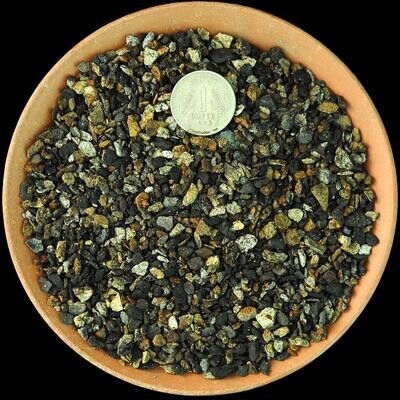
Cactus & Succulent Planting Mix COARSE (aka Cactus Soil Mix or Succulent Soil Mix)
Cactus & Succulent Planting Mix COARSE (aka Cactus Soil Mix or Succulent Soil Mix)
Washed, Free-Draining Mineral Mix for Cactus & Succulents
SKU MNS003
₹38.74
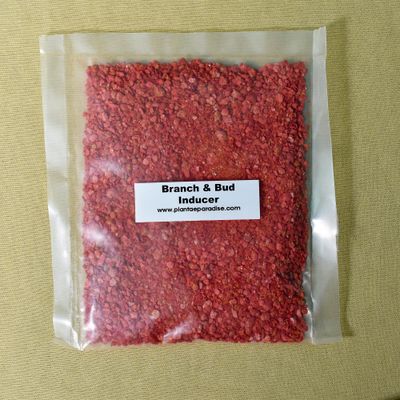
Branch & Bud Inducer 200gm
Branch & Bud Inducer 200gm
Fine-Grain Potting Mix for Cactus & Succulent Roots
SKU MNS018
₹355.00
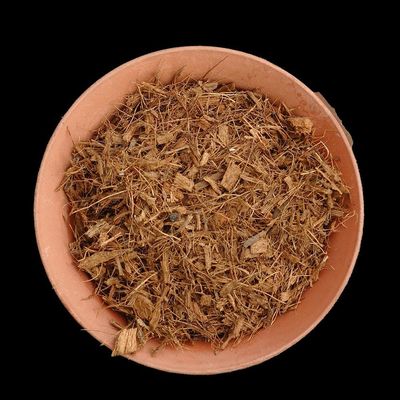
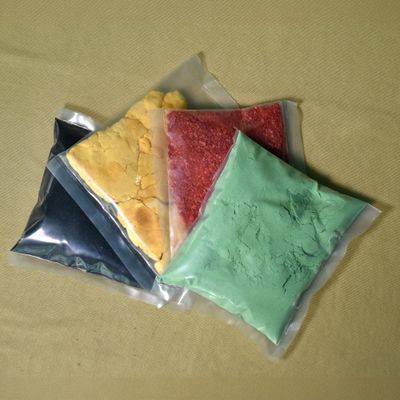
Plantae Power Pack (Plant Boosters)
Plantae Power Pack (Plant Boosters)
A Booster set to put glow on your plants
SKU MNS023
₹450.00