Frailea grahliana: The Grahl’s Frailea
Origin of Name
The genus name "Frailea" is named in honor of the Danish botanist, Dr. Jens F. Fræile, who contributed significantly to the study of cacti. The species name "grahliana" is dedicated to the great cactus collector and enthusiast, Herr Grahl, acknowledging his contributions to cactus botany. Together, the name highlights both the taxonomy and the individuals who have helped to advance the understanding of this cactus group.
Origin of Plant
Frailea grahliana is native to Argentina, particularly found in the semi-arid regions of northwestern Argentina, including provinces such as Catamarca and La Rioja. The plant typically grows in rocky, well-drained soils often found in hilly or mountainous terrains where it can receive ample sunlight while benefitting from moisture retention close to the ground.
Description
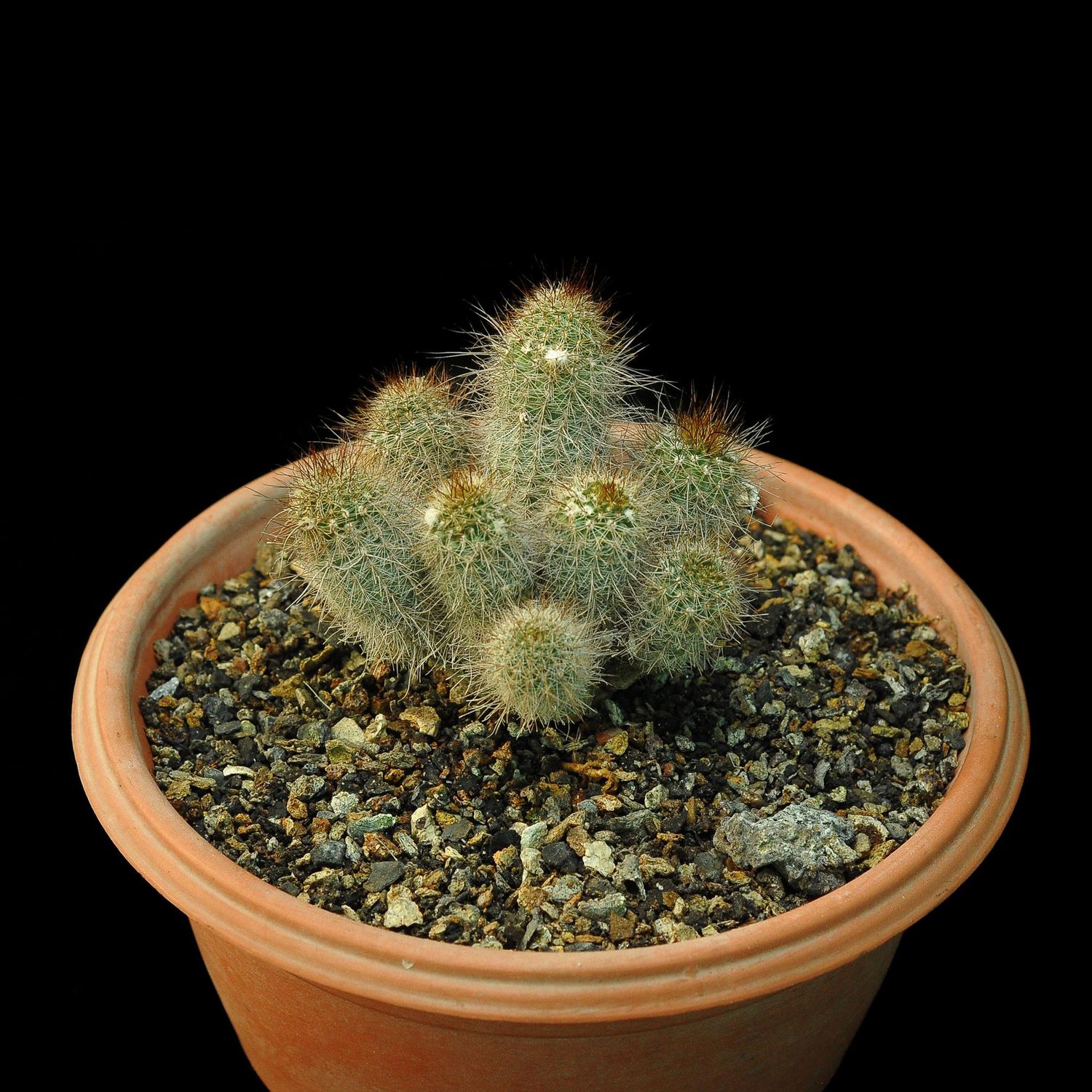
Frailea grahliana is a small, globular cactus that typically reaches a height of about 6 to 10 centimeters (2.5 to 4 inches) and can form clusters of multiple heads. It features a green to grayish-green body covered with distinct, rounded tubercles, which can give the plant a fuzzy appearance due to the short, dense spines that emerge from each tubercle. The spines are generally white or light yellow and can create a soft-textured surface. In late spring and early summer, Frailea grahliana produces charming funnel-shaped flowers that can vary in color from pale yellow to creamy white, often with darker yellow central markings. The flowers bloom from the sides of the cactus, adding to its visual appeal.
Conservation Status
Frailea grahliana is not currently classified as endangered, but like many other cacti, it may face risks from habitat loss due to agricultural expansion and over-collection. Conservation measures aimed at protecting natural habitats and promoting ethical cultivation practices are essential for maintaining this species in the wild.
Care
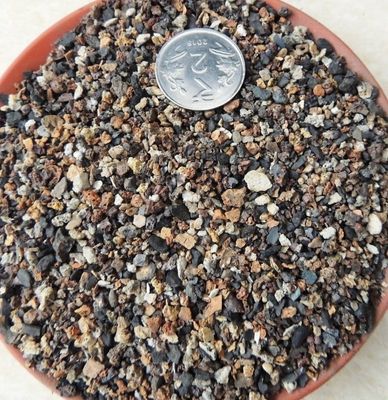
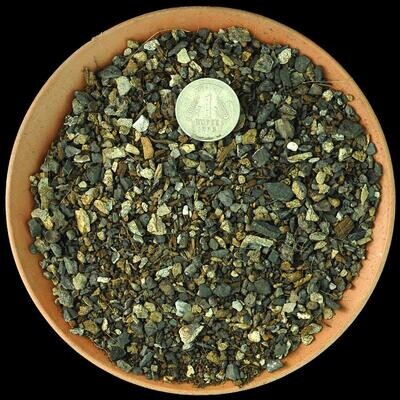
Caring for Frailea grahliana involves creating conditions that mimic its native environment. Use a well-draining cactus mix that includes components like sand, pumice, or perlite to ensure adequate drainage. Place the cactus in a location that receives bright, indirect sunlight, as it can tolerate some direct sunlight but may scorch if exposed to intense midday rays. Water moderately during the growing season (spring and summer), allowing the soil to dry out completely between waterings. In the winter months, reduce watering significantly, as the cactus goes dormant and requires less moisture. Fertilize sparingly with a diluted cactus fertilizer during the growing season to encourage healthy growth and flowering. Regularly check for pests such as mealybugs and aphids to maintain the overall health of your Frailea grahliana, making it a delightful addition to any cactus collection.