

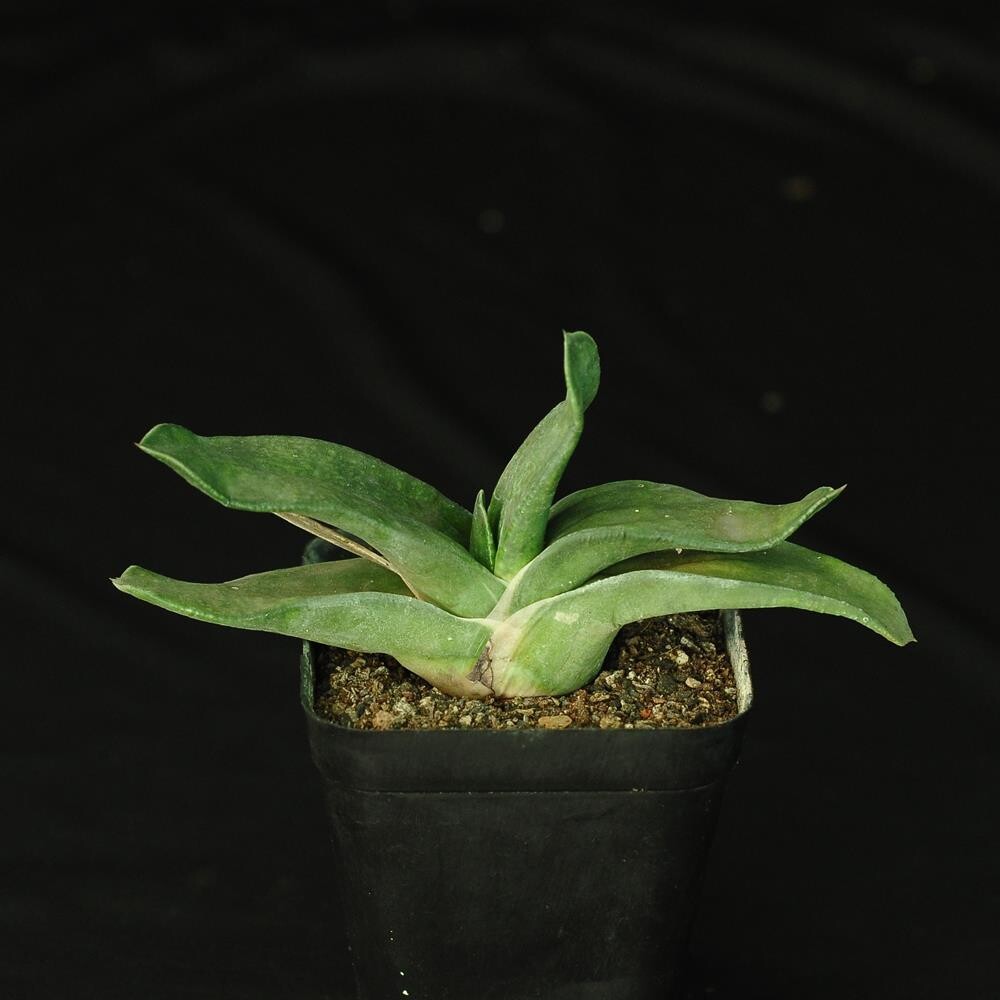
Gasteria acinacifolia (flat pointed leaf)
Product Details
Coastal Giant: Gasteria acinacifolia
An architectural marvel for collectors, this species is the largest and most robust of all Gasterias.
- Origin & History of Name: The genus name Gasteria is derived from the Greek gaster, meaning "stomach," referring to the swollen, belly-like shape of the flower base.
The specific epithet acinacifolia combines the Latin acinaces (a short Persian scimitar) and folia (leaves), describing the plant’s distinctive saber-shaped foliage. It was formally described by John Bellenden Ker Gawler in the early 19th century. - Morphology: This species is characterized by its large, ensiform (sword-shaped) leaves that transition from a distichous (two-ranked/flat) arrangement when young to a spiraled rosette as they mature. The epidermis is smooth, dark green, and adorned with raised white tubercles (wart-like spots) that often form attractive patterns. Unlike many smaller Gasterias, its leaves end in a sharp, hard point.
- Habitat & Origin: Gasteria acinacifolia is a wild species native to the coastal dunes and rocky cliffs of the Eastern Cape, South Africa.
It is a hardy, naturally occurring succulent rather than a hybrid. Our specimens are ethically propagated via offsets or seed to ensure the preservation of wild populations. - Cultivation Profile:
- Substrate: A strictly mineral-based, gritty mix consisting of crushed brick, perlite, and coarse river sand with minimal organic matter to prevent root rot in humid Indian climates.
- Light: Bright, indirect light or filtered morning sun. In India, protect from the harsh afternoon sun (12:00 PM – 4:00 PM) to prevent leaf scorching.
- Water/Dormancy: Drench thoroughly only when the substrate is bone-dry.
During the monsoon, reduce watering significantly as the plant enters a semi-dormant state due to high humidity. Ensure excellent air circulation.
- Scientific/Historical Anecdote: Gasteria acinacifolia is specifically adapted for bird pollination.
Its nectar-rich, tubular flowers are a primary food source for the Malachite Sunbird. The curved shape of the flower perfectly matches the curvature of the sunbird's beak, a classic example of co-evolution in the South African fynbos biome.
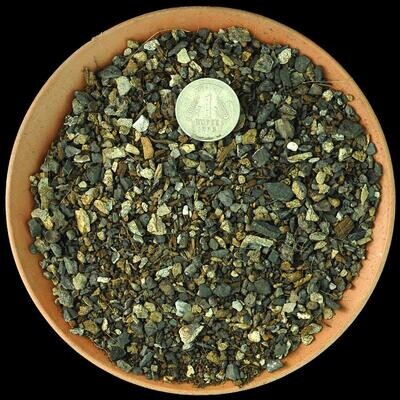
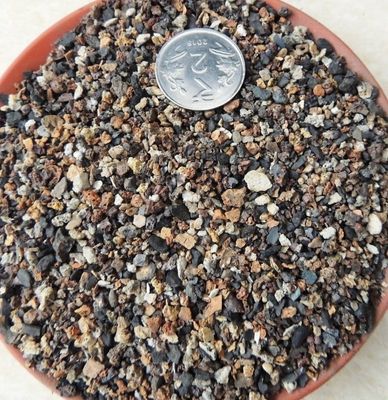
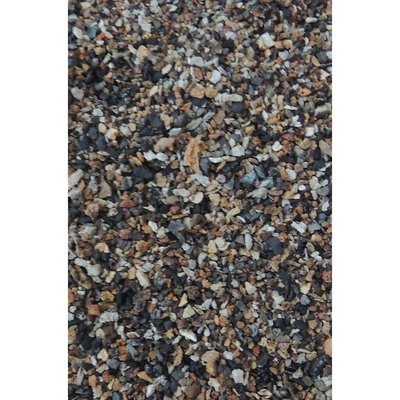
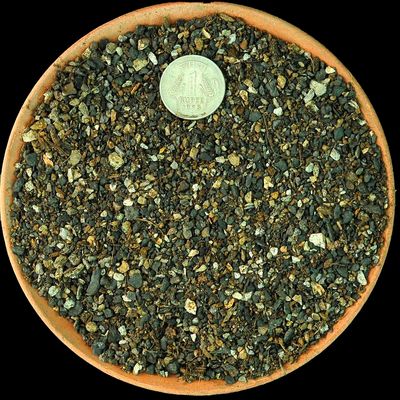
Cactus & Succulent Planting Mix FINE (aka Cactus Soil Mix or Succulent Soil Mix)
Cactus & Succulent Planting Mix FINE (aka Cactus Soil Mix or Succulent Soil Mix)
Fine-Grain Potting Mix for Cactus & Succulent Roots
SKU MNS001
₹39.85
New
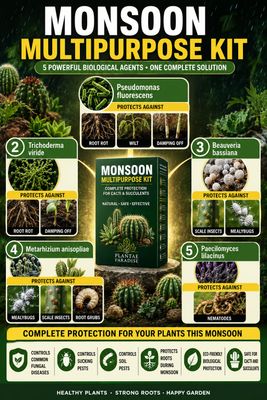
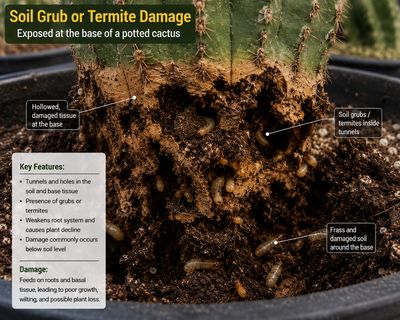
Monsoon Guardian Kit (5 in 1)
Monsoon Guardian Kit (5 in 1)
Complete 5-in-1 biological protection kit for cacti & succulents
SKU MNS024
₹850.00