

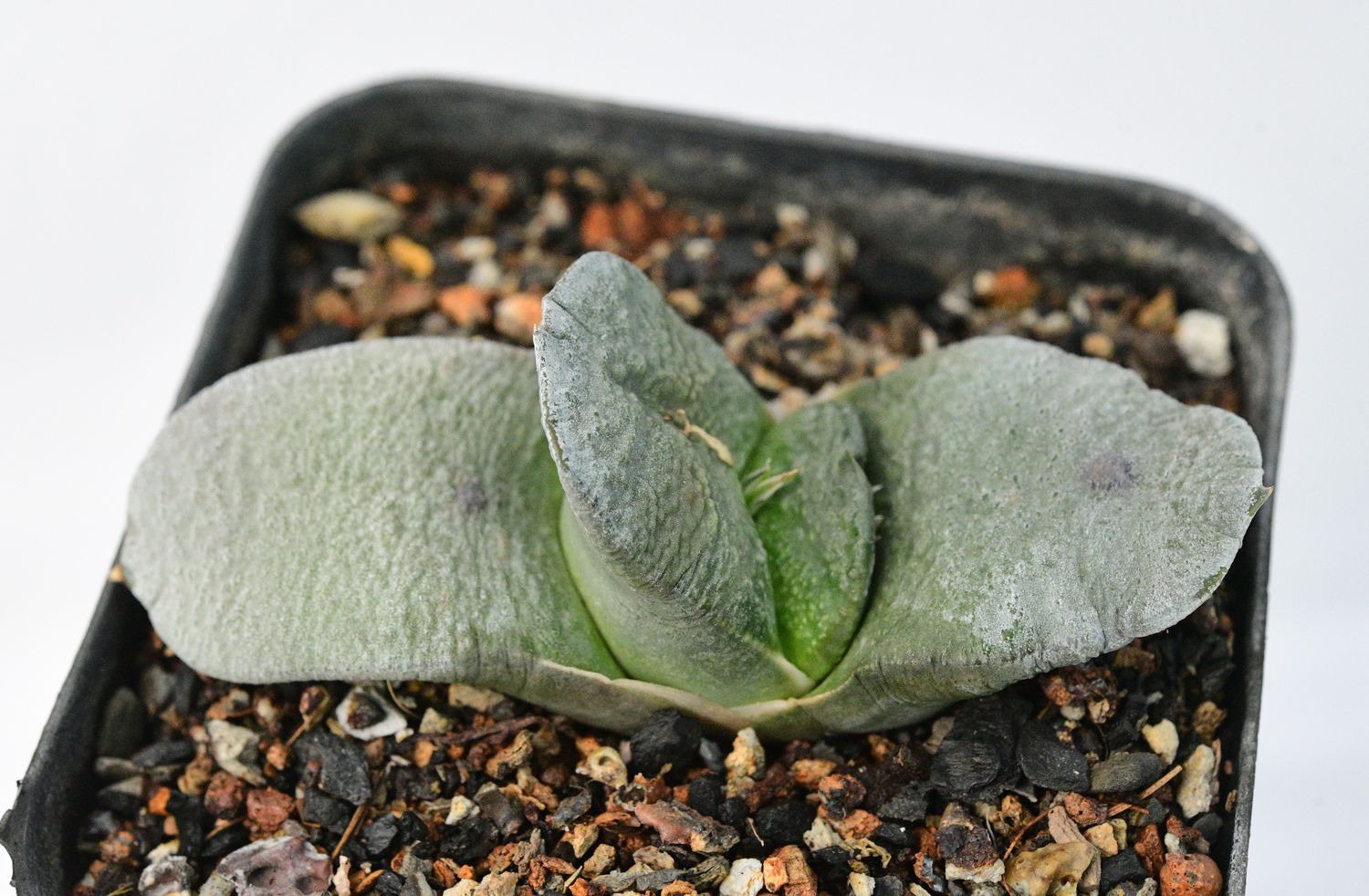
Gasteria armstrongii
Product Details
Sculptural Elegance: Gasteria armstrongii
A slow-growing masterpiece of living architecture, prized by collectors for its prehistoric aesthetic and obsidian-like foliage.
- Origin & History of Name: The genus name Gasteria is derived from the Greek word gaster (stomach), referencing the swollen, stomach-shaped base of the flowers. This specific species was named in 1912 by botanist William Frederick Barker in honor of William Armstrong, a South African plant collector who first brought the specimen to scientific attention.
- Morphology: Unlike many distichous succulents, G. armstrongii features thick, tongue-shaped leaves that are remarkably "truncate" (ending abruptly). The epidermis is characterized by a rugose, leathery texture with a dark, glaucous-green to nearly black coloration. Small, tuberculate bumps (papillae) often cover the surface, and the plant maintains a compact, solitary rosette that rarely offsets, making it a highly symmetrical specimen.
- Habitat & Origin: This is a true wild species, not a hybrid. It is endemic to a very restricted range in the Eastern Cape Province of South Africa, specifically near the Gamtoos River.
Due to its limited natural distribution, it is considered "Vulnerable" in the wild; our specimens are strictly nursery-propagated via sustainable seed-raising to ensure conservation. - Cultivation Profile:
- Substrate: Use a strictly mineral-based mix. In the Indian climate, a ratio of 70% grit (pumice, perlite, or crushed brick) to 30% organic matter is essential to prevent root rot during monsoon humidity.
- Light: Bright, indirect light is ideal. In North India, provide 50% shade during peak summer afternoons; in South India, a bright East-facing window or filtered patio light works year-round.
- Water & Dormancy: Water thoroughly only when the medium is completely dry. This species enters a semi-dormant state during the peak Indian summer (May–June); reduce watering significantly during this time and during the cold winter months to mimic its natural dry-spell cycles.
- Scientific/Historical Anecdote: For decades, Gasteria armstrongii was classified as its own distinct species, but recent botanical debates have sometimes seen it grouped as a variety of Gasteria nitida. However, collectors and taxonomists continue to treat it as a unique entity because of its "neotenic" nature—meaning it retains its juvenile, flattened leaf form even into maturity, unlike its relatives which grow taller and more upright.

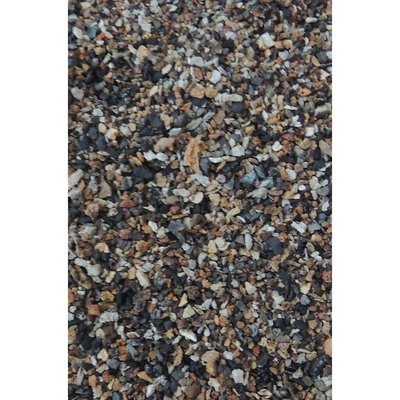
Cactus & Succulent Planting Mix FINE (aka Cactus Soil Mix or Succulent Soil Mix)
Cactus & Succulent Planting Mix FINE (aka Cactus Soil Mix or Succulent Soil Mix)
Fine-Grain Potting Mix for Cactus & Succulent Roots
SKU MNS001
₹39.85
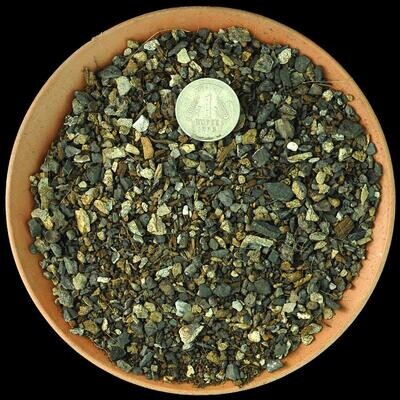


Cactus Seed Planting Mix
Cactus Seed Planting Mix
Sterile, Fine-Grain Media for Cactus & Succulent Seeds
SKU MNS005
₹74.85
New


Monsoon Guardian Kit (5 in 1)
Monsoon Guardian Kit (5 in 1)
Complete 5-in-1 biological protection kit for cacti & succulents
SKU MNS024
₹850.00