

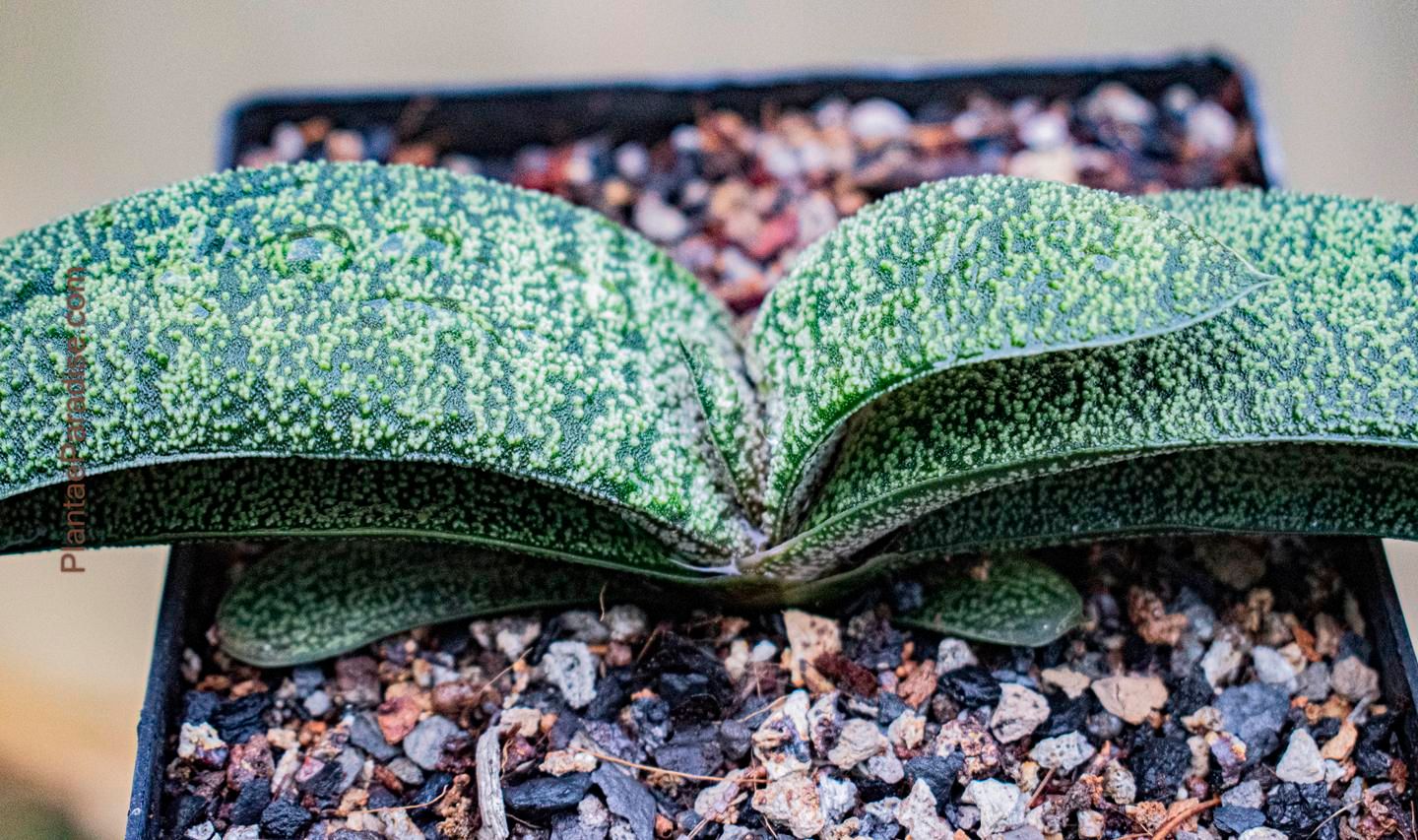
Gasteria armstrongii hybrid
Product Details
Architectural Beauty: Gasteria armstrongii hybrid
An ultra-slow-growing collector’s gem, prized for its sculptural, tongue-shaped foliage and rugged texture.
- Origin & History of Name: The genus name Gasteria is derived from the Greek word gaster, meaning "stomach," referring to the distinct belly-like swelling at the base of the flowers.
The specific epithet armstrongii honors William Armstrong, a plant collector who discovered the original species in South Africa in the early 20th century. This specific plant is a "hybrid," indicating it is a cross-bred selection designed to enhance the robust characteristics of the parent species. - Morphology: This succulent features a distichous growth habit, meaning leaves grow in two opposite vertical rows. The epidermis is dark, almost black-green, and characterized by a heavily tuberculate (bumpy) texture that feels like sandpaper.
Its leaves are thick, truncated, and extremely firm, lacking the prominent costae (ribs) found in other succulents, favoring a flattened, architectural profile instead. - Habitat & Origin: This is a cultivated hybrid (cultivar) of the South African Gasteria armstrongii.
While the parent species is native to the Eastern Cape, this hybrid was produced through selective breeding to prioritize compact size and leaf thickness. Our specimens are nursery-grown via sustainable vegetative propagation, ensuring no impact on wild populations. - Cultivation Profile:
- Substrate: Use a strictly mineral-based mix. A ratio of 70% inorganic material (pumice, perlite, or crushed brick) to 30% organic matter is ideal for the Indian climate to prevent root rot.
- Light: Bright, indirect light. In India, avoid the harsh midday summer sun which can bleach the dark epidermis; a north or east-facing balcony is perfect.
- Water/Dormancy: Water deeply only when the substrate is completely bone-dry.
During the peak monsoon and the brief winter dormancy, reduce watering to once a month or less to account for higher ambient humidity.
- Scientific/Historical Anecdote: Gasteria species are closely related to Aloe and Haworthia, so much so that they can be cross-bred to create intergeneric hybrids like ×Gasteraloe.
Historically, Gasteria armstrongii was once considered a variety of Gasteria nitida, but its unique, stunted, "prostrate" growth led botanists to recognize it as a distinct, specialized species adapted to hiding among pebbles in the wild.
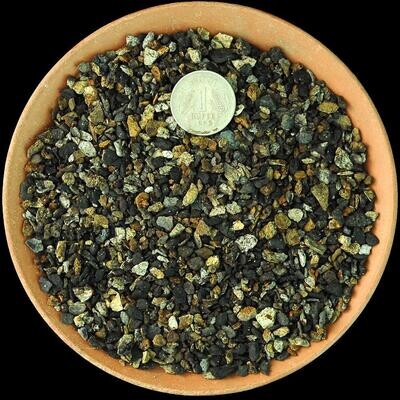
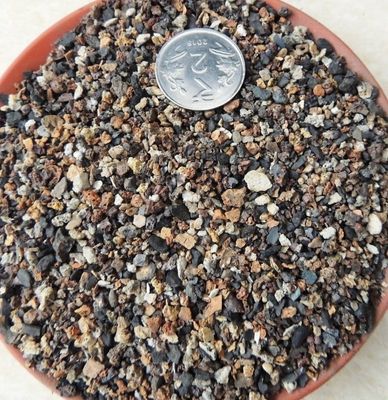
Cactus & Succulent Planting Mix COARSE (aka Cactus Soil Mix or Succulent Soil Mix)
Cactus & Succulent Planting Mix COARSE (aka Cactus Soil Mix or Succulent Soil Mix)
Washed, Free-Draining Mineral Mix for Cactus & Succulents
SKU MNS003
₹44.85
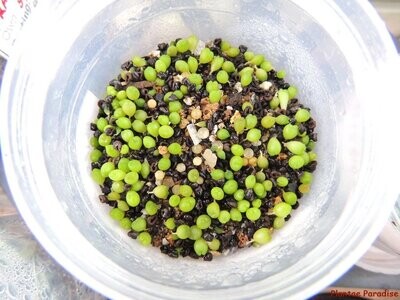
Cactus Seed Planting Mix
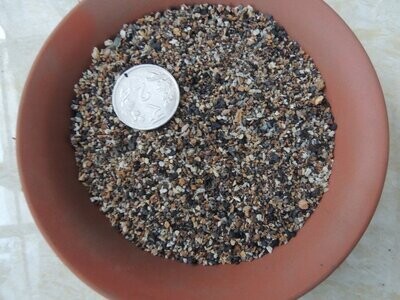
Cactus Seed Planting Mix
Sterile, Fine-Grain Media for Cactus & Succulent Seeds
SKU MNS005
₹74.85
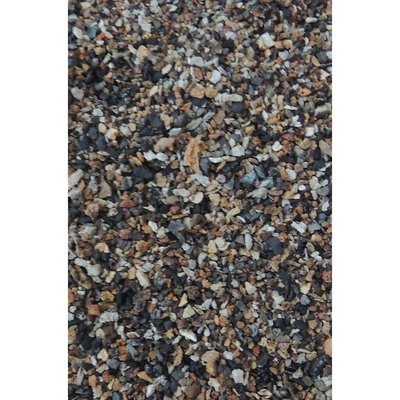
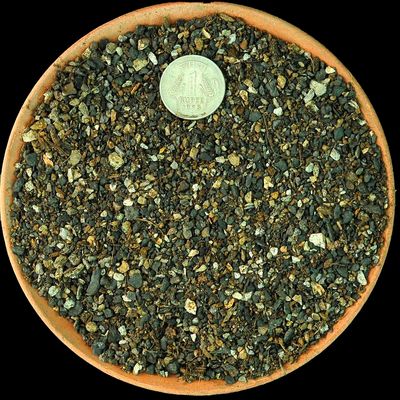
Cactus & Succulent Planting Mix FINE (aka Cactus Soil Mix or Succulent Soil Mix)
Cactus & Succulent Planting Mix FINE (aka Cactus Soil Mix or Succulent Soil Mix)
Fine-Grain Potting Mix for Cactus & Succulent Roots
SKU MNS001
₹39.85