Gasteria armstrongii (Pointed Form)
Prepare to be captivated by a living sculpture, a botanical jewel that embodies understated elegance and rugged charm. The Gasteria armstrongii (Pointed Form) is more than just a succulent; it's a piece of natural art, offering unique texture and architectural beauty that will elevate any collection. This particular form, with its sharply tapering leaves, showcases the striking diversity within the species, promising to be a focal point in your home or garden.
1. Origin of Name
The genus name, Gasteria, is derived from the Latin word "gaster," meaning "stomach" or "belly," a direct reference to the distinctive, swollen, and somewhat bulbous base of its small, tube-like flowers. This anatomical peculiarity of its bloom is a key identifier for the genus. The specific epithet, armstrongii, honors W. Armstrong, a farmer and plant collector from the Port Elizabeth area in South Africa. Armstrong was instrumental in the discovery and initial collection of this species, sending specimens to botanists for identification and description. It was formally described by Selmar Schönland in 1912. The designation "(Pointed Form)" is a horticultural descriptor, not part of its formal scientific name, used to highlight a specific phenotype or characteristic within the species—in this case, referring to the more acutely tapering and sharply pointed leaves compared to other, often blunter-leaved forms of Gasteria armstrongii. This attention to distinct forms allows collectors to appreciate the subtle yet significant variations within a species.
2. Origin of Plant
Gasteria armstrongii is a true native of the Eastern Cape Province of South Africa, a region renowned for its rich succulent flora. This species is specifically found in localized areas within this province, typically growing in the shade of shrubs or rocks, often on south-facing slopes or in rocky crevices, where it can find some protection from the intense African sun. Its natural habitat consists of arid to semi-arid regions with well-draining, often sandy or stony soils. The plant's discovery history is linked to the explorations of amateur and professional botanists who, in the late 19th and early 20th centuries, meticulously documented the incredibly diverse plant life of South Africa. W. Armstrong's contribution as a local observer and collector was crucial in bringing this distinctive species to scientific attention, allowing Schönland to formally classify it in the early 20th century.
3. Description
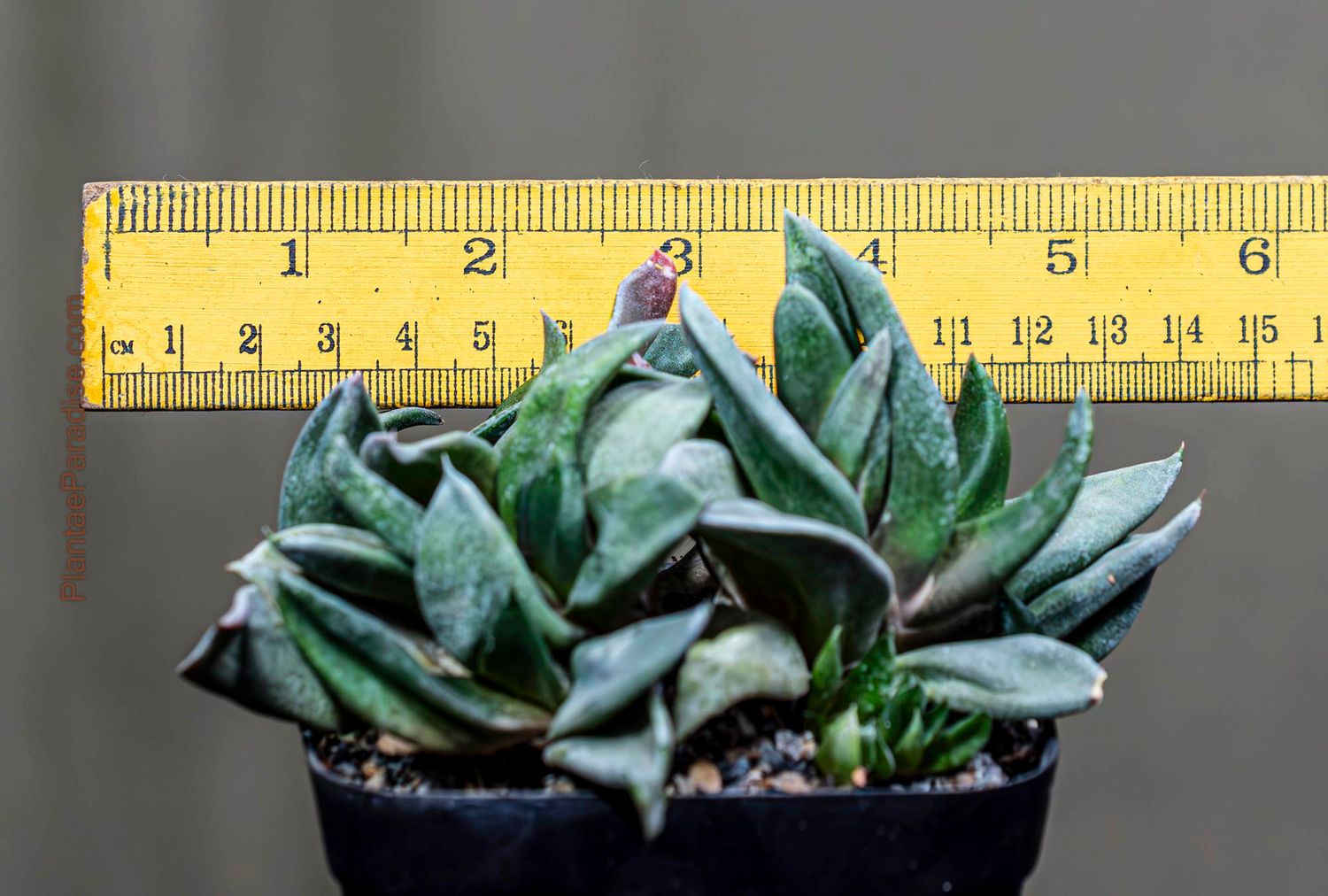
The Gasteria armstrongii (Pointed Form) is a compact, highly sculptural succulent that typically grows solitary or slowly forms small clumps over time. Its most striking features are its leaves: extremely thick, rigid, and almost triangular in cross-section, they are arranged in a distichous (two-ranked) fashion when young, eventually forming a loose rosette with age. The color is exceptionally appealing, ranging from dark green to an almost blackish-green, which can intensify with good light exposure. The leaves are covered in distinct, raised, often warty tubercles (small bumps), giving the plant a wonderfully rough and textured surface. As indicated by its name, this "Pointed Form" exhibits leaves that taper distinctly to a sharp, acute tip, enhancing its architectural appeal. The plant typically remains small, often reaching only 5-10 cm (2-4 inches) in height and width. In late winter to spring, mature plants produce a slender inflorescence bearing small, pendulous, stomach-shaped flowers that are typically pinkish-orange to reddish-green, contrasting beautifully with the dark foliage.
4. Conservation Status
Gasteria armstrongii is listed as Least Concern on the IUCN Red List of Threatened Species, indicating that its wild populations are currently stable and widespread enough not to be considered immediately threatened. However, like many specialized succulents with restricted natural ranges, localized populations can be vulnerable. Threats include habitat degradation from agricultural expansion or development, and the potential for illegal collection from the wild, especially for particularly attractive forms. Cultivation efforts in nurseries and by enthusiasts play a vital role in reducing pressure on wild populations and ensuring the genetic diversity and availability of this unique species for future generations.
5. Care
Despite its exotic appearance, Gasteria armstrongii is remarkably easy to care for, making it an excellent choice for both beginners and seasoned succulent collectors.
- Watering: Water moderately during the growing season (spring through autumn), allowing the soil to dry out completely between waterings. Reduce watering significantly in winter, providing only enough to prevent the leaves from shriveling. Overwatering is the most common cause of problems.
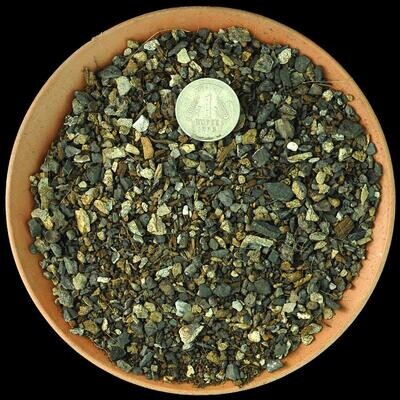
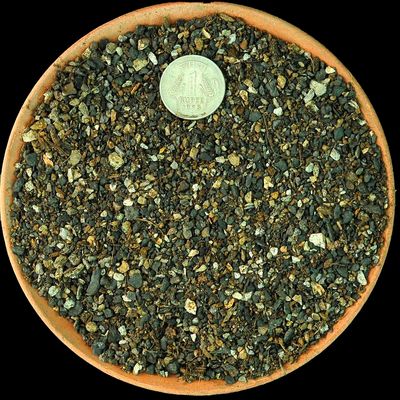
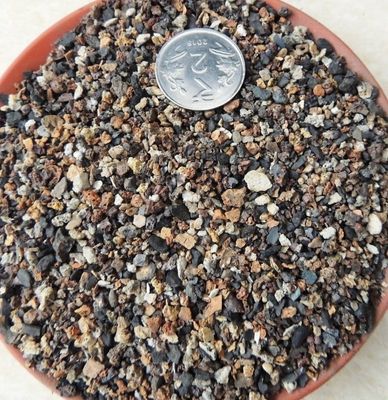
- Soil: Requires an extremely well-draining succulent or cactus mix. A good blend typically includes pumice, perlite, and coarse sand to ensure excellent aeration and drainage.
- Light: Prefers bright, indirect light to partial shade. While it appreciates good light, direct, intense afternoon sun, especially in hot climates, can scorch its dark leaves. A spot with morning sun and afternoon shade is often ideal.
- Temperature: Thrives in average room temperatures and warm conditions. It is not frost-tolerant and should be protected from temperatures below 5°C (41°F).
- Tips: Good air circulation is beneficial. Fertilize sparingly with a diluted low-nitrogen succulent fertilizer during the growing season. This plant is a slow grower and typically does not require frequent repotting.
6. Engaging Anecdote
The genus Gasteria, with its distinctive, warty leaves and low-growing habit, provides a fascinating example of evolutionary adaptation in the harsh South African landscape. Unlike many cacti and succulents that seek intense sun, many Gasteria species, including G. armstrongii, have evolved to thrive in more shaded environments, often nestled under nurse plants or in rock crevices. This adaptation to partial shade is quite unique among succulents and makes them exceptionally well-suited as houseplants, able to flourish in conditions that would cause many other sun-loving succulents to etiolate (stretch). The dark, rough texture of Gasteria armstrongii isn't just ornamental; it helps the plant camouflage itself amongst rocks and debris, providing a form of natural protection from herbivores in its native habitat. Owning a Gasteria armstrongii is like welcoming a quiet, resilient sentinel from the Eastern Cape into your home, a testament to nature's incredible ability to find beauty and survival in every niche.