

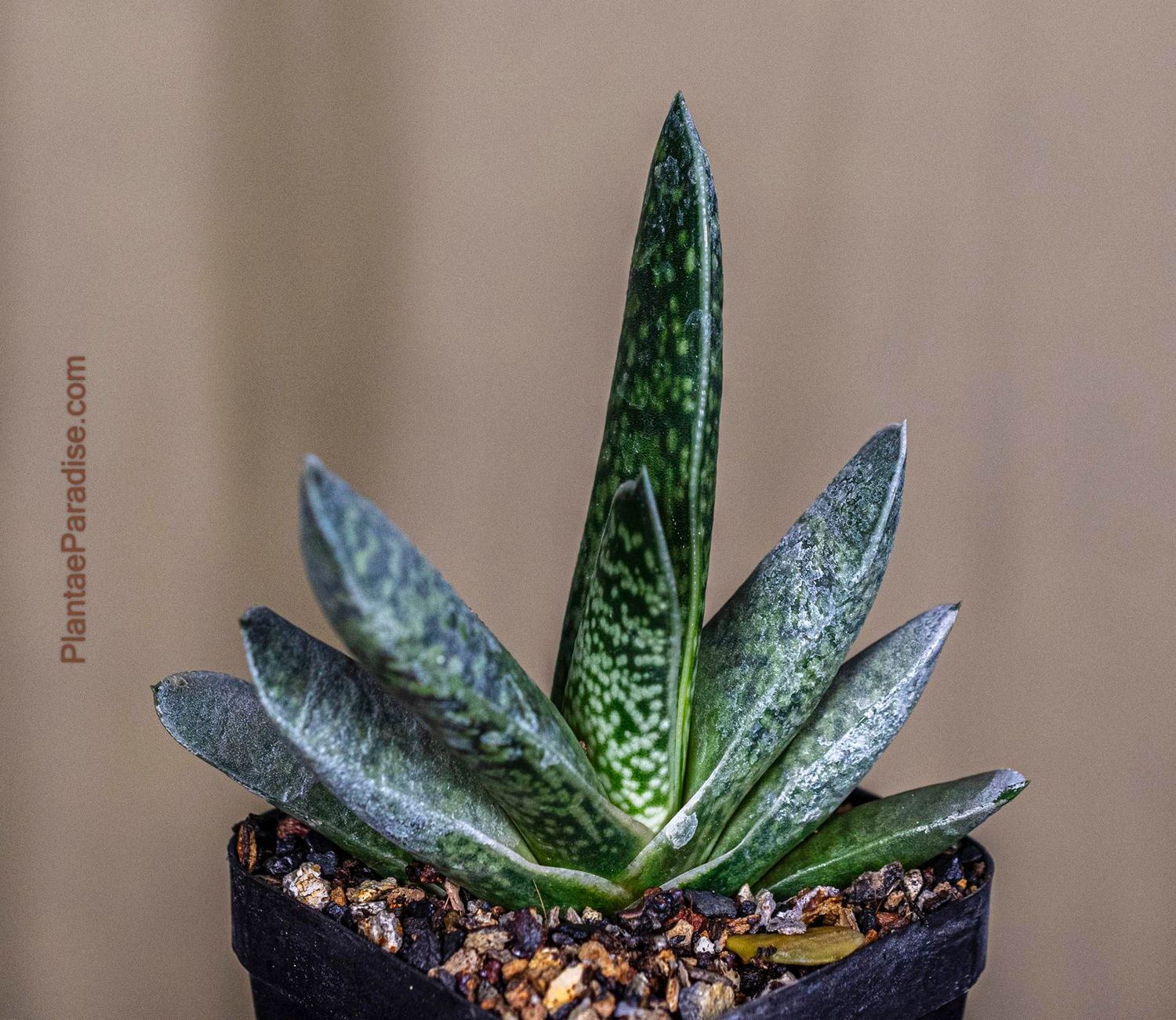
Gasteria brevifolia
Product Details
Architectural Elegance: Gasteria brevifolia
A sculptural collector’s gem prized for its compact, tongue-shaped leaves and deep obsidian-green luster.
- Origin & History of Name: The genus name Gasteria is derived from the Greek word gaster, meaning "stomach," referring to the distinct swollen, pouch-like shape of the flowers.
The specific epithet brevifolia is a botanical compound of the Latin brevis (short) and folium (leaf), accurately describing the plant's stunted, robust leaf structure compared to its elongated relatives. It was formally described in the early 19th century as European botanists began categorizing the diverse flora of the Cape Colony. - Morphology: This succulent is characterized by its distichous growth habit (leaves arranged in two vertical rows) when young, often maturing into a tight rosette.
Its epidermis is thick, coriaceous (leathery), and covered in minute white tubercles—raised bumps that provide a sand-papery texture. Unlike many succulents, it lacks sharp marginal teeth, featuring instead a blunt, rounded leaf apex. - Habitat & Origin: Gasteria brevifolia is a wild species native to the Western Cape province of South Africa. It typically grows in the shadows of scrub bush or tucked into rocky crevices, protected from direct midday sun. Our specimens are nursery-propagated via offsets or seed to ensure the protection of wild populations and promote sustainable trade.
- Cultivation Profile:
- Substrate: Use a gritty, mineral-based mix. A ratio of 50% coarse river sand or crushed gravel with 50% inorganic expanded clay or perlite works best in the Indian climate to prevent root rot.
- Light: Thrives in bright, indirect light. In India, place near an east or north-facing window. Avoid direct afternoon sun (especially during April–June), which can cause the epidermis to "sunburn" or turn a stressed reddish-brown.
- Water/Dormancy: Follow a "soak and dry" method. Water thoroughly, then allow the medium to dry completely. During the humid monsoon, reduce watering significantly. The plant undergoes a semi-dormancy in the peak of summer heat; keep it shaded and lean on water during this period.
- Scientific/Historical Anecdote: Gasteria species are closely related to Aloe and Haworthia and are famous among botanists for their ability to hybridize across genera.
This has led to the creation of "Gasteraloe" hybrids. Historically, these plants were often gifted among 17th-century physicians because their thick, moisture-retaining leaves allowed them to survive the long, arduous sea voyages from the Cape of Good Hope to Europe.
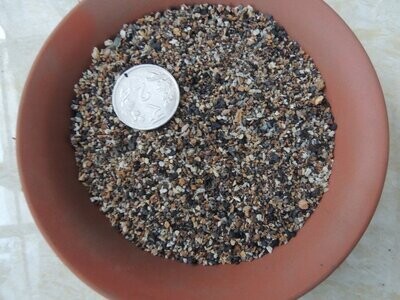
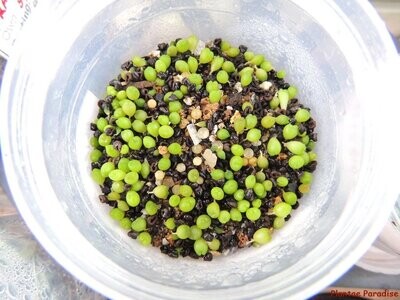
Cactus Seed Planting Mix
Cactus Seed Planting Mix
Sterile, Fine-Grain Media for Cactus & Succulent Seeds
SKU MNS005
₹74.85
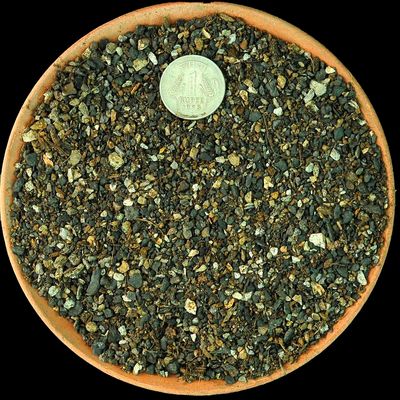
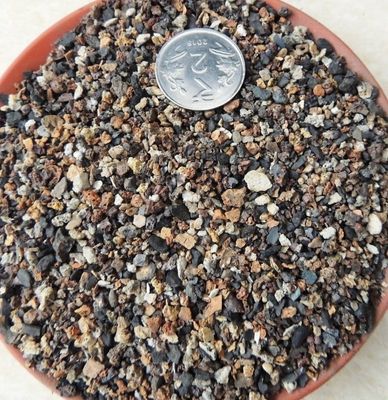
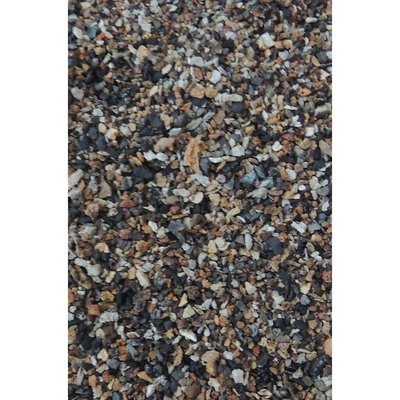
Cactus & Succulent Planting Mix FINE (aka Cactus Soil Mix or Succulent Soil Mix)
Cactus & Succulent Planting Mix FINE (aka Cactus Soil Mix or Succulent Soil Mix)
Fine-Grain Potting Mix for Cactus & Succulent Roots
SKU MNS001
₹39.85

Cactus & Succulent Planting Mix COARSE (aka Cactus Soil Mix or Succulent Soil Mix)
Cactus & Succulent Planting Mix COARSE (aka Cactus Soil Mix or Succulent Soil Mix)
Washed, Free-Draining Mineral Mix for Cactus & Succulents
SKU MNS003
₹44.85