

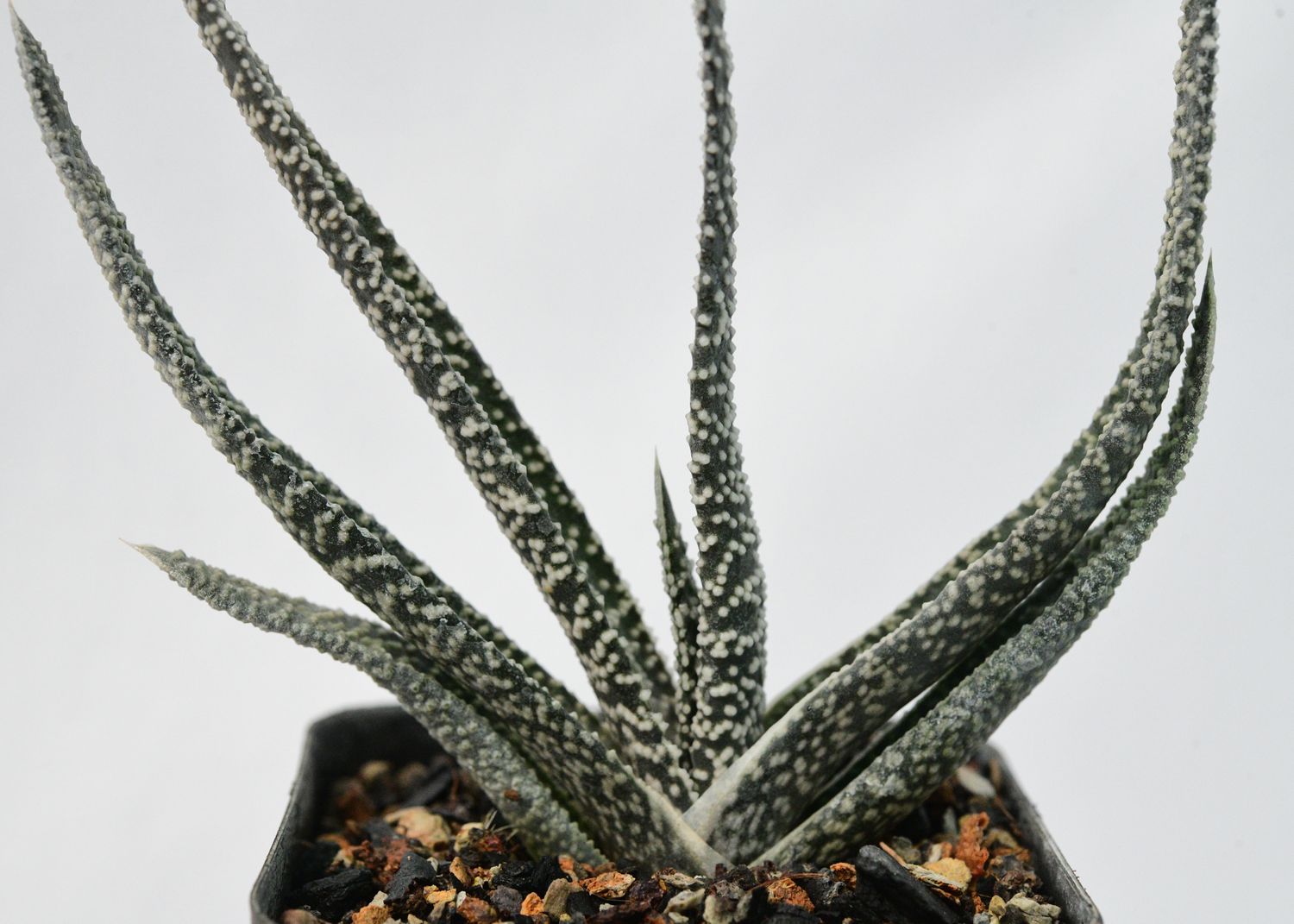
Gasteria carinata var. verrucosa (Narrow Leaf Clone)
Product Details
Textural Elegance: Gasteria carinata var. verrucosa (Narrow Leaf Clone)
A rare, sculptural masterpiece featuring dense pearly tubercles and a refined, architectural silhouette.
- Origin & History of Name The genus name Gasteria is derived from the Greek word gaster, meaning "stomach," referring to the distinctively swollen, pot-bellied shape of its flowers.
The specific epithet carinata means "keeled," while verrucosa originates from the Latin verruca, meaning "wart." This refers to the prominent, sandpaper-like bumps on the epidermis. Historically, this variety was once classified as its own species, Gasteria verrucosa, by botanists in the early 19th century before being reorganized as a variety of G. carinata. - Morphology This "Narrow Leaf Clone" is distinguished by its distichous growth habit, meaning leaves grow in two vertical rows opposite each other. The epidermis (outer skin) is exceptionally dark green and densely covered in white, calcified tubercles (the "warts"), giving it a rough, crystalline texture. Unlike the standard variety, this clone maintains a slender, elongated leaf shape with a prominent carina (keel) on the leaf underside, providing a sharp, triangular cross-section.
- Habitat & Origin This is a naturally occurring variety native to the Western Cape province of South Africa.
It typically grows in the transition zones between Fynbos and Succulent Karoo biomes, often sheltered under the shade of nurse bushes. Our specimens are ethically propagated via offsets or leaf cuttings from stable mother plants, ensuring no impact on wild populations. - Cultivation Profile
- Substrate: Use a strictly mineral-based mix. A ratio of 70% inorganic material (pumice, perlite, or crushed leca) to 30% organic matter (well-aged compost or coco-peat) is ideal to prevent root rot.
- Light: In the Indian context, provide bright, indirect light. Avoid harsh afternoon sun (12 PM – 4 PM), which can cause stress-induced purple tinting or leaf scorch. A north or east-facing balcony is perfect.
- Water/Dormancy: Water thoroughly only when the substrate is bone-dry. During the peak Indian monsoon, reduce watering significantly due to high humidity. The plant undergoes semi-dormancy during the extreme heat of May/June and the cold of December; during these times, keep the medium nearly dry.
- Scientific/Historical Anecdote Gasterias are colloquially known as "Ox-tongue" plants due to their rough leaf texture.
In traditional South African folklore, Gasteria species were sometimes planted on the roofs of huts or used in traditional medicine, believed to provide protection against lightning and to imbue the owner with the plant's legendary resilience.

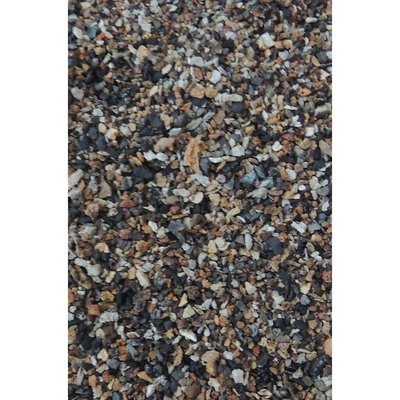
Cactus & Succulent Planting Mix FINE (aka Cactus Soil Mix or Succulent Soil Mix)
Cactus & Succulent Planting Mix FINE (aka Cactus Soil Mix or Succulent Soil Mix)
Fine-Grain Potting Mix for Cactus & Succulent Roots
SKU MNS001
₹39.85
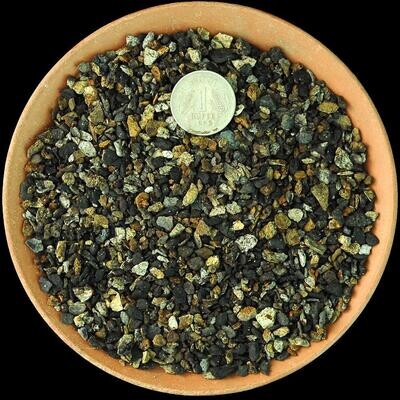
Cactus & Succulent Planting Mix COARSE (aka Cactus Soil Mix or Succulent Soil Mix)
Cactus & Succulent Planting Mix COARSE (aka Cactus Soil Mix or Succulent Soil Mix)
Washed, Free-Draining Mineral Mix for Cactus & Succulents
SKU MNS003
₹44.85

New
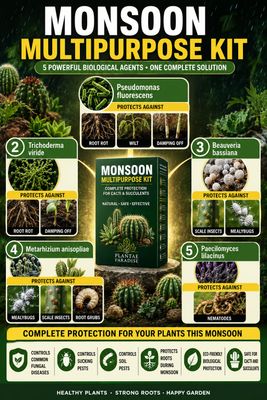
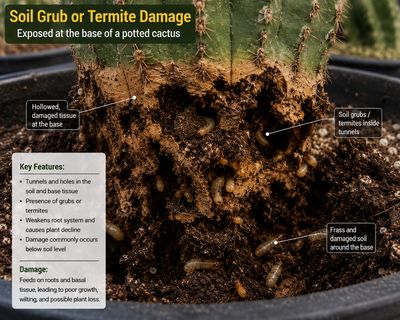
Monsoon Guardian Kit (5 in 1)
Monsoon Guardian Kit (5 in 1)
Complete 5-in-1 biological protection kit for cacti & succulents
SKU MNS024
₹850.00