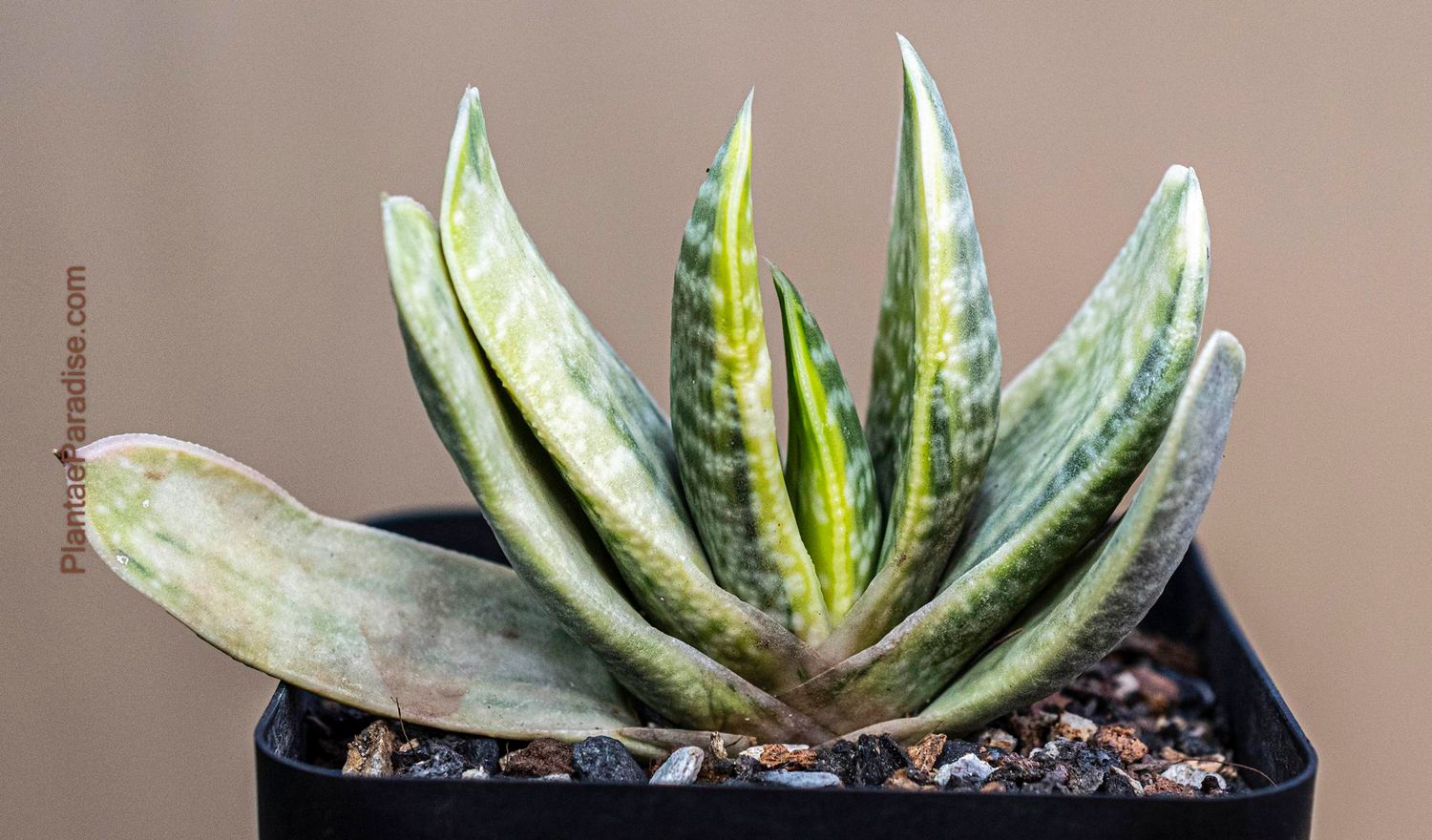
Gasteria cv. FUJI YUKI (Syn: Gasteria obtusa forma variegata)
Product Details
The Snowy Peak Succulent: Gasteria cv. Fuji Yuki
A masterwork of Japanese horticulture, this highly collectible cultivar features striking white variegation evoking the serenity of snow-capped mountains.
- Origin & History of Name The genus name Gasteria was coined by Henri Auguste Duval in 1809, derived from the Greek gaster (belly) referring to the swollen base of the plant’s flower. The cultivar epithet 'Fuji Yuki' is of Japanese origin, translating to "Snow on Mount Fuji." This poetic name was chosen by Japanese breeders to describe the plant's distinct, broad bands of white variegation.
- Morphology This cultivar is characterized by thick, tongue-shaped (ligulate) leaves with obtuse, rounded tips, arranged in a compact distichous (fan-like) habit that may spiral with age. The epidermis is smooth and glossy, differing from the tuberculate (bumpy) texture of many Gasteria. Its primary aesthetic value lies in its chimeral variegation: sectorial or striated lack of chlorophyll results in creamy-white bands contrasting sharply against dark green tissue.
- Habitat & Origin While the species Gasteria obtusa (often linked to G. nitida) is native to the Eastern Cape of South Africa, the 'Fuji Yuki' form is an exclusive horticultural cultivar. It is the result of selective breeding in Japan for stability in variegation and is propagated vegetatively in nurseries, making it a sustainable choice that does not impact wild populations.
- Cultivation Profile
- Substrate: Requires excellent drainage; use a mix of 70% inorganic grit (pumice/lava rock) and 30% organic succulent soil.
- Light: Thrives in bright, filtered light or dappled shade. Critical: The white variegated sections lack chlorophyll and are highly susceptible to sunburn; avoid direct midday sun.
- Water/Dormancy: Water thoroughly when the substrate is completely dry. Practice 'soak and dry' method. Reduce watering significantly during winter dormancy.
- Scientific/Historical Anecdote Gasteria species are known for their remarkably fleshy, thick roots, which serve as water storage organs alongside the leaves. In their native habitat, these roots allow the plants to survive in shallow rock crevices where soil is scarce. Historically, due to their toughness and leaf shape, they earned the vernacular name "Ox-tongue" in South Africa (Afrikaans: Beestong).
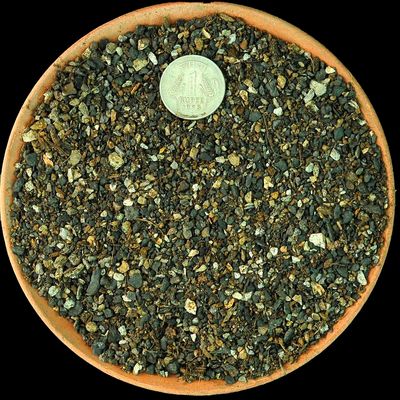
Cactus & Succulent Planting Mix FINE (aka Cactus Soil Mix or Succulent Soil Mix)
Cactus & Succulent Planting Mix FINE (aka Cactus Soil Mix or Succulent Soil Mix)
Fine-Grain Potting Mix for Cactus & Succulent Roots
SKU MNS001
₹39.85
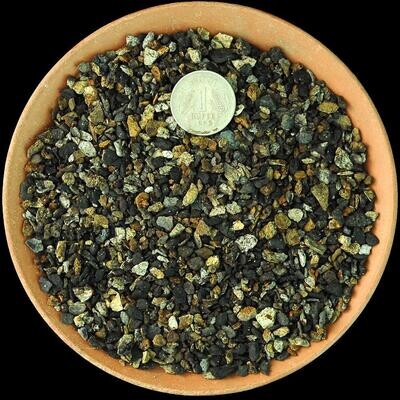
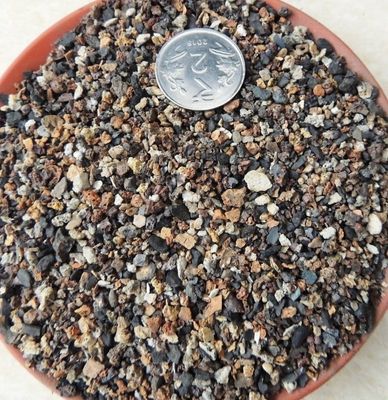
Cactus & Succulent Planting Mix COARSE (aka Cactus Soil Mix or Succulent Soil Mix)
Cactus & Succulent Planting Mix COARSE (aka Cactus Soil Mix or Succulent Soil Mix)
Washed, Free-Draining Mineral Mix for Cactus & Succulents
SKU MNS003
₹44.85
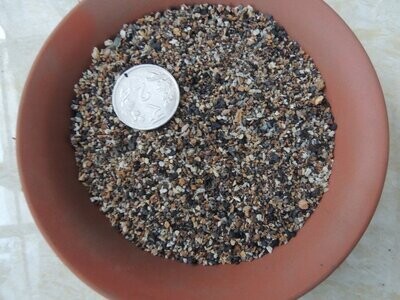
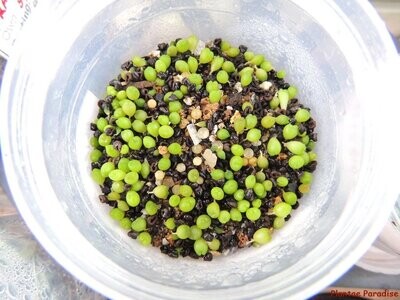
Cactus Seed Planting Mix
Cactus Seed Planting Mix
Sterile, Fine-Grain Media for Cactus & Succulent Seeds
SKU MNS005
₹74.85