

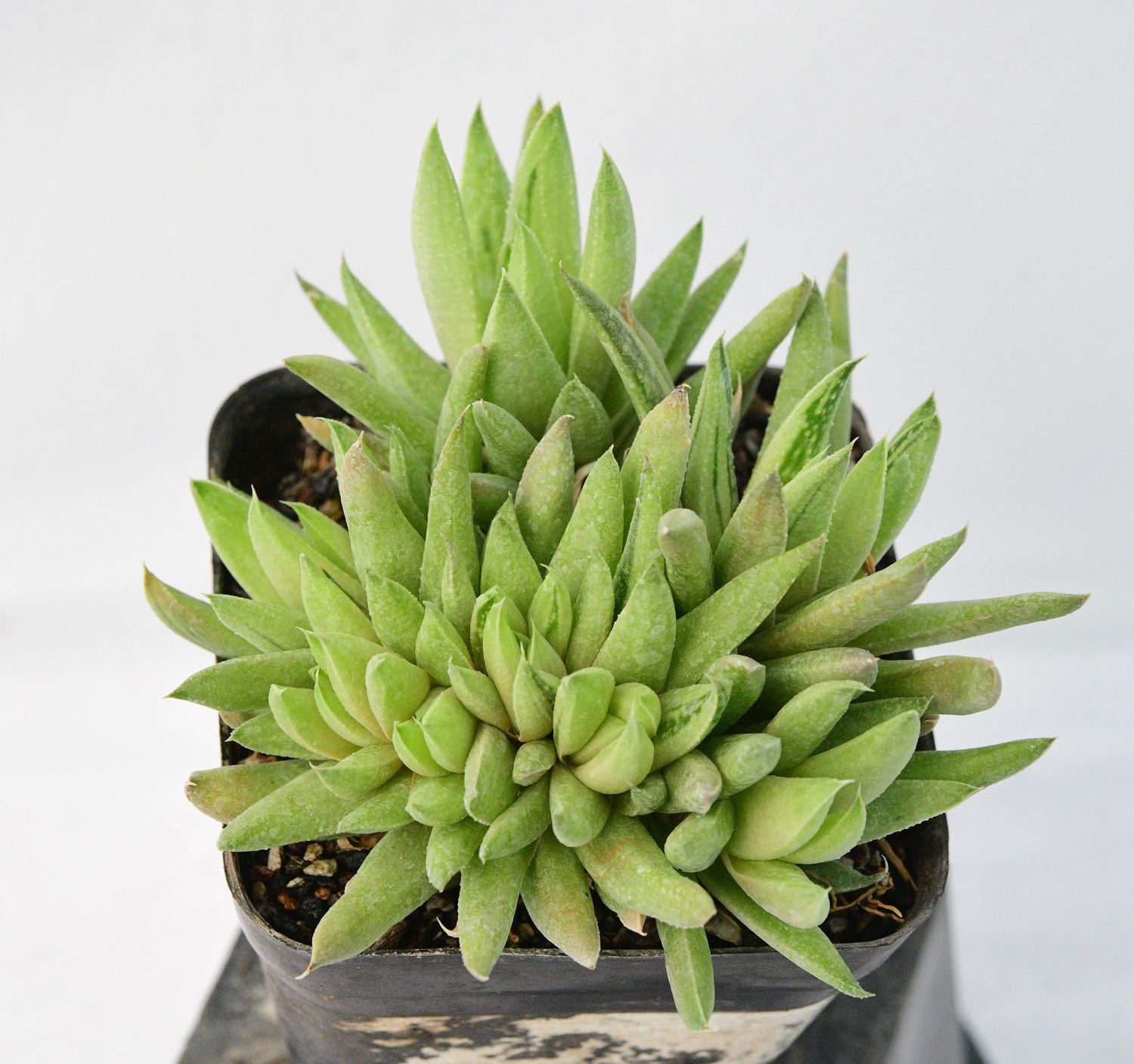
Gasteria 'Green Ice' crest Form
Product Details
Sculptural Elegance: Gasteria 'Green Ice' Crested Form
A rare, slow-growing architectural marvel, this crested mutation is a prized centerpiece for any serious succulent collector.
- Origin & History of Name: The genus name Gasteria is derived from the Greek word gaster, meaning "stomach," referring to the swollen, pouch-like shape of its flowers.
The cultivar name 'Green Ice' was coined by hybridizer John Bleck to describe the plant's frosty, pale-green coloration. The term "Crested" (or Cristata) describes a rare genetic mutation where the apical meristem grows in a flattened, fan-like ribbon rather than a single point. - Morphology: This specimen exhibits fasciation, a growth anomaly where the stem widens into a wavy, undulating crest.
Its epidermis is thick and smooth, featuring a mottled variegation of icy mint and deep forest green. Unlike the standard rosettes, the crested form develops a dense, brain-like structure of compact, fleshy leaves that lack a central axis, creating a unique sculptural habit. - Habitat & Origin: Gasteria 'Green Ice' is a stable cultivar, originally a hybrid between Gasteria bicolor var. liliputana and Gasteria retusa (often cited as a Gasteria x Aloe hybrid). The crested form is a rare somatic mutation propagated via vegetative cuttings. These plants are nursery-grown, ensuring they are a sustainable, ethical choice that does not impact wild succulent populations.
- Cultivation Profile:
- Substrate: Use a strictly mineral-based mix (60% grit/pumice/perlite, 40% organic matter). Avoid standard garden soil; instead, use crushed brick or leca to ensure rapid drainage.
- Light: Thrives in bright, indirect light.
In the Indian subcontinent, protect from harsh afternoon sun (12 PM–4 PM) to prevent leaf scorch, especially during peak summer. - Water/Dormancy: Follow a "soak and dry" method. Water thoroughly, then allow the medium to dry completely. In high-humidity regions like coastal India, reduce watering frequency. The plant undergoes semi-dormancy during extreme heat; keep it nearly dry during the monsoon to prevent fungal rot.
- Scientific/Historical Anecdote: Gasteria species are famously nicknamed "Ox Tongue" due to the rough texture and shape of their leaves.
While most succulents rely on specific pollinators, Gasteria flowers are uniquely shaped to be pollinated by Sunbirds, which have curved beaks perfectly adapted to fit the "stomach-shaped" floral tubes to reach the nectar at the base.
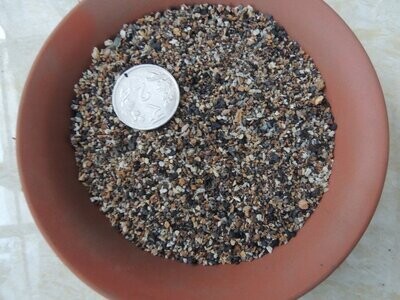
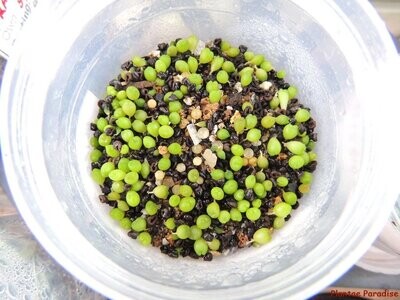
Cactus Seed Planting Mix
Cactus Seed Planting Mix
Sterile, Fine-Grain Media for Cactus & Succulent Seeds
SKU MNS005
₹74.85
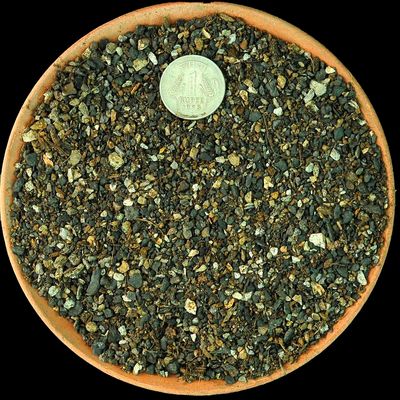
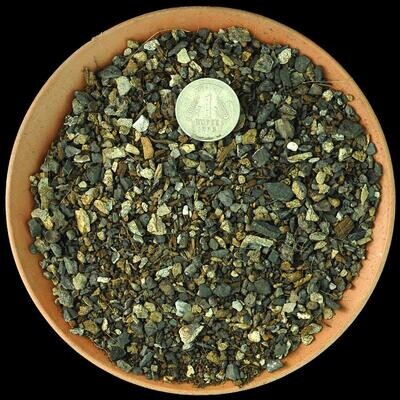
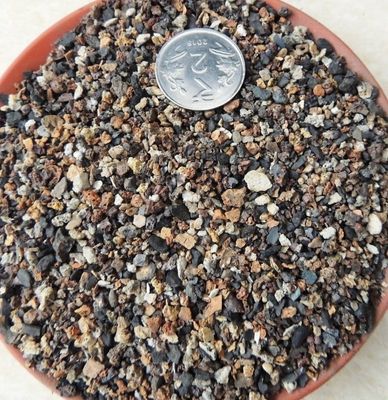
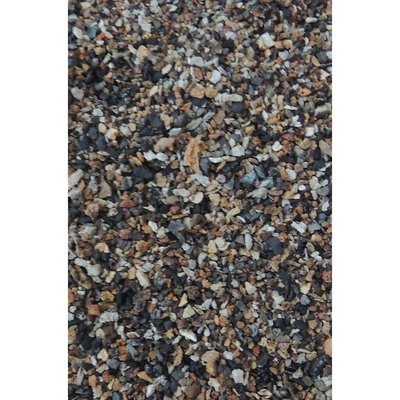
Cactus & Succulent Planting Mix FINE (aka Cactus Soil Mix or Succulent Soil Mix)
Cactus & Succulent Planting Mix FINE (aka Cactus Soil Mix or Succulent Soil Mix)
Fine-Grain Potting Mix for Cactus & Succulent Roots
SKU MNS001
₹39.85