

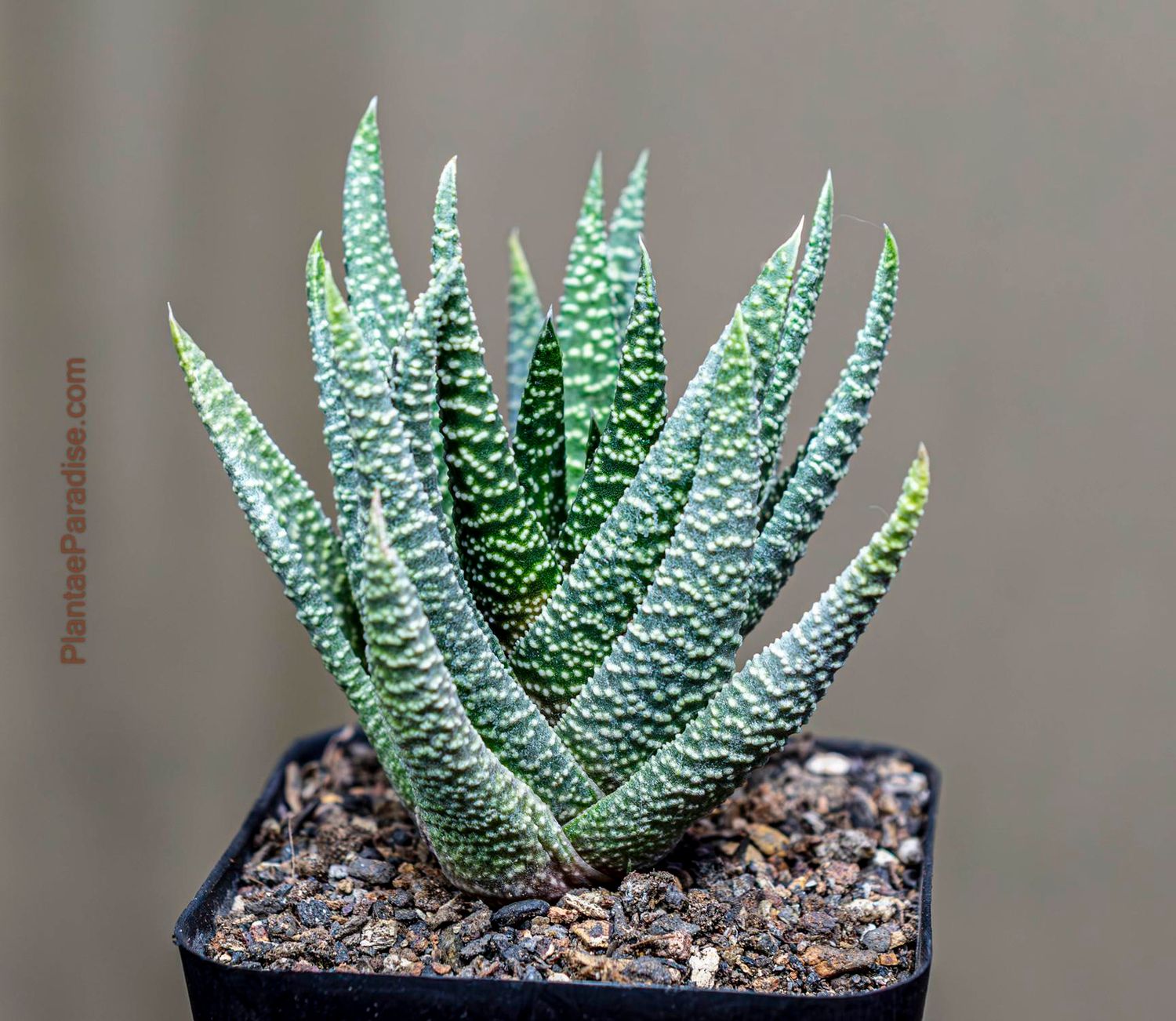
Gasteria 'Okavango'
Product Details
Statuesque Succulent: Gasteria 'Okavango'
A sculptural masterpiece for collectors, prized for its stark architectural symmetry and rare, deep-green texture.
- Origin & History of Name: The genus name Gasteria is derived from the Greek word gaster, meaning "stomach," referring to the distinct swollen, pouch-like shape of its flowers.
The cultivar name 'Okavango' was chosen as a tribute to the Okavango Delta in Botswana. This choice reflects the plant's rugged, water-storing nature and its visual resemblance to the wild, untamed landscapes of Southern African wetlands. - Morphology: This succulent is characterized by its distichous growth habit (leaves arranged in two opposing vertical rows). The epidermis is exceptionally tough and features a "sharkskin" texture—a dense covering of tiny white tubercles (bumps) that provide a tactile, matte finish. Unlike many hybrids, 'Okavango' maintains a deep, dark pigment, often appearing nearly black under high light, which contrasts sharply against its pale, stomach-shaped blooms.
- Habitat & Origin: Gasteria 'Okavango' is a greenhouse-bred cultivar, not a wild-occurring species. It was selectively bred from South African parentage to emphasize leaf density and color stability. Our specimens are propagated via sustainable offsets and leaf cuttings, ensuring no wild populations are disturbed for commercial trade.
- Cultivation Profile:
- Substrate: Use a strictly mineral-based mix (70% grit/pumice/perlite and 30% organic matter). In the Indian climate, avoid heavy garden soil to prevent root rot during monsoon humidity.
- Light: Thrives in bright, indirect light. In India, provide morning sun but shield from the harsh 12:00 PM – 4:00 PM summer heat to prevent leaf scorch.
- Water/Dormancy: Water deeply only when the medium is bone-dry.
During the peak Indian summer and monsoon, reduce watering significantly as the plant enters a semi-dormant state to cope with extreme heat and ambient moisture.
- Scientific/Historical Anecdote: Gasterias were once categorized alongside Aloes until the 19th century.
Early European botanists were fascinated by their "tongue-like" leaves, leading to the common name "Ox-tongue." Modern DNA sequencing has since confirmed they are closer relatives to Haworthia, though they remain unique for their ability to survive in extremely low-light crevices where most other succulents would fail.

Cactus & Succulent Planting Mix COARSE (aka Cactus Soil Mix or Succulent Soil Mix)
Cactus & Succulent Planting Mix COARSE (aka Cactus Soil Mix or Succulent Soil Mix)
Washed, Free-Draining Mineral Mix for Cactus & Succulents
SKU MNS003
₹44.85

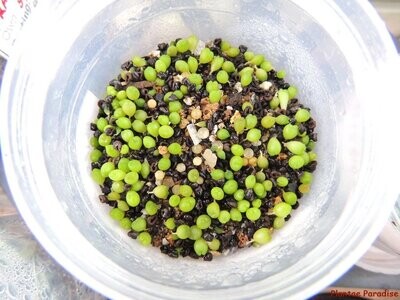
Cactus Seed Planting Mix
Cactus Seed Planting Mix
Sterile, Fine-Grain Media for Cactus & Succulent Seeds
SKU MNS005
₹74.85
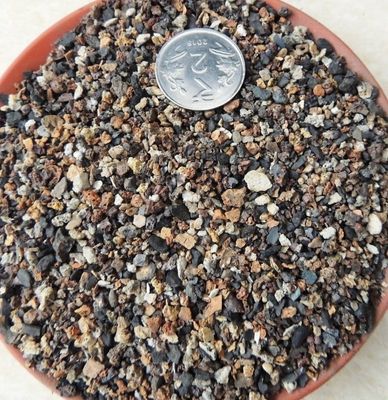
Cactus & Succulent Planting Mix FINE (aka Cactus Soil Mix or Succulent Soil Mix)
Cactus & Succulent Planting Mix FINE (aka Cactus Soil Mix or Succulent Soil Mix)
Fine-Grain Potting Mix for Cactus & Succulent Roots
SKU MNS001
₹39.85
New
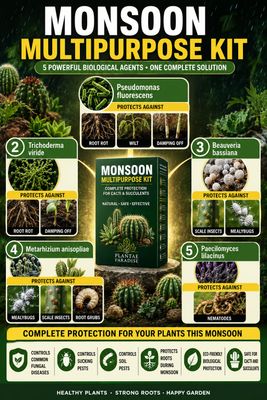
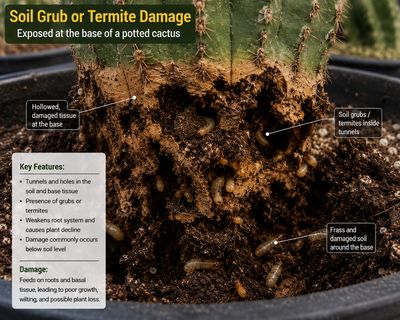
Monsoon Guardian Kit (5 in 1)
Monsoon Guardian Kit (5 in 1)
Complete 5-in-1 biological protection kit for cacti & succulents
SKU MNS024
₹850.00