

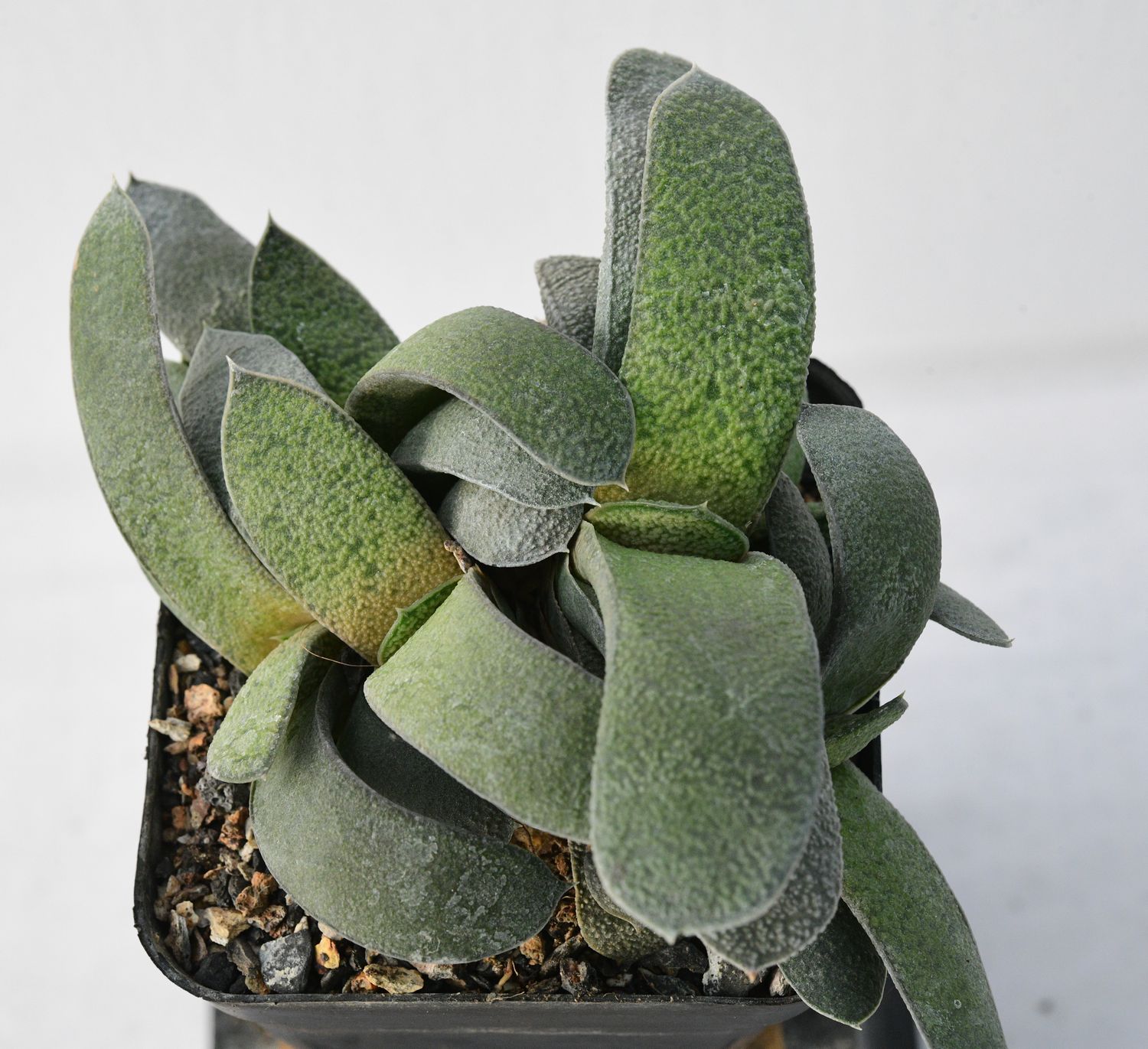
Gasteria Suurberg gastum
Product Details
Sculptural Elegance: Gasteria 'Suurberg Gastum'
A rare, slow-growing architectural gem prized for its distinctive textured foliage and deep emerald hues.
- Origin & History of Name: The genus name Gasteria is derived from the Greek word gaster, meaning "stomach," referring to the swollen base of its tubular flowers.
The cultivar name 'Suurberg Gastum' identifies its lineage from the Suurberg mountains in the Eastern Cape of South Africa. The epithet "gastum" is a portmanteau often used by succulent breeders to denote a specific selected form or cross within the Gasteria group that emphasizes the "stomach-shaped" floral morphology. - Morphology: This plant features a compact, distichous (two-ranked) growth habit that eventually forms a rosette. Its thick, tongue-shaped leaves possess a rough epidermis covered in tiny, white raised tubercles, giving it a sandpaper-like texture.
Unlike many succulents, it lacks sharp costae (ribs), instead relying on its dense, succulent leaf structure for water storage. The leaf margins are often slightly cartilaginous and thickened. - Habitat & Origin: This is a cultivated selection derived from wild species native to the Albany Center of Endemism in South Africa. While the parent species are wild-occurring, 'Suurberg Gastum' is a nursery-bred cultivar selected for its specific compact form. Our specimens are propagated via leaf cuttings or offsets, ensuring no impact on wild populations and supporting sustainable horticultural practices.
- Cultivation Profile:
- Substrate: Use a strictly mineral-based mix (60% grit/pumice/perlite and 40% organic matter). In the Indian climate, avoid heavy clay; volcanic cinder or crushed brick works well for aeration.
- Light: Thrives in bright, indirect light. In India, provide 50% shade; direct afternoon summer sun will scorch the leaves, while too little light leads to etiolation (stretching).
- Water/Dormancy: Follow a "soak and dry" method. Water thoroughly, then allow the medium to dry completely. In India, these plants go into semi-dormancy during the peak summer heat (May-June) and the monsoon; reduce watering significantly during these high-humidity periods to prevent root rot.
- Scientific/Historical Anecdote: Gasteria were once categorized under the genus Aloe until the 19th century.
Early European botanists were fascinated by their "stomach" flowers, which are specifically evolved for pollination by Sunbirds. These birds hover or perch to drink nectar, and the unique curve of the Gasteria flower perfectly matches the shape of the bird's beak.
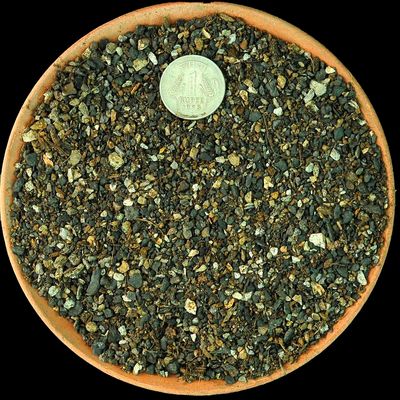
Cactus Seed Planting Mix
Cactus Seed Planting Mix
Sterile, Fine-Grain Media for Cactus & Succulent Seeds
SKU MNS005
₹74.85
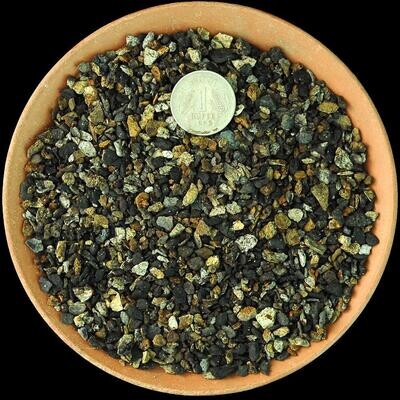
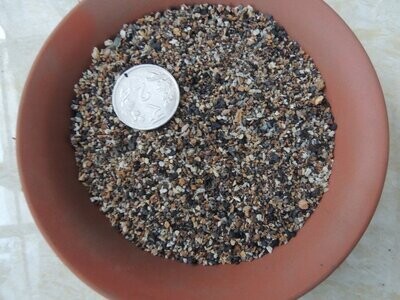
Cactus & Succulent Planting Mix COARSE (aka Cactus Soil Mix or Succulent Soil Mix)
Cactus & Succulent Planting Mix COARSE (aka Cactus Soil Mix or Succulent Soil Mix)
Washed, Free-Draining Mineral Mix for Cactus & Succulents
SKU MNS003
₹44.85
New
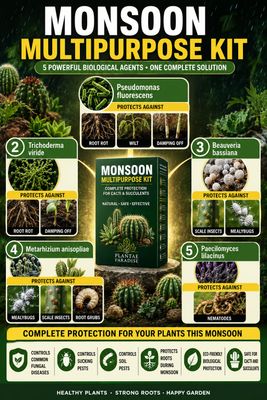
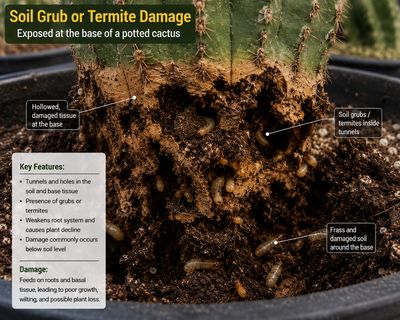
Monsoon Guardian Kit (5 in 1)
Monsoon Guardian Kit (5 in 1)
Complete 5-in-1 biological protection kit for cacti & succulents
SKU MNS024
₹850.00