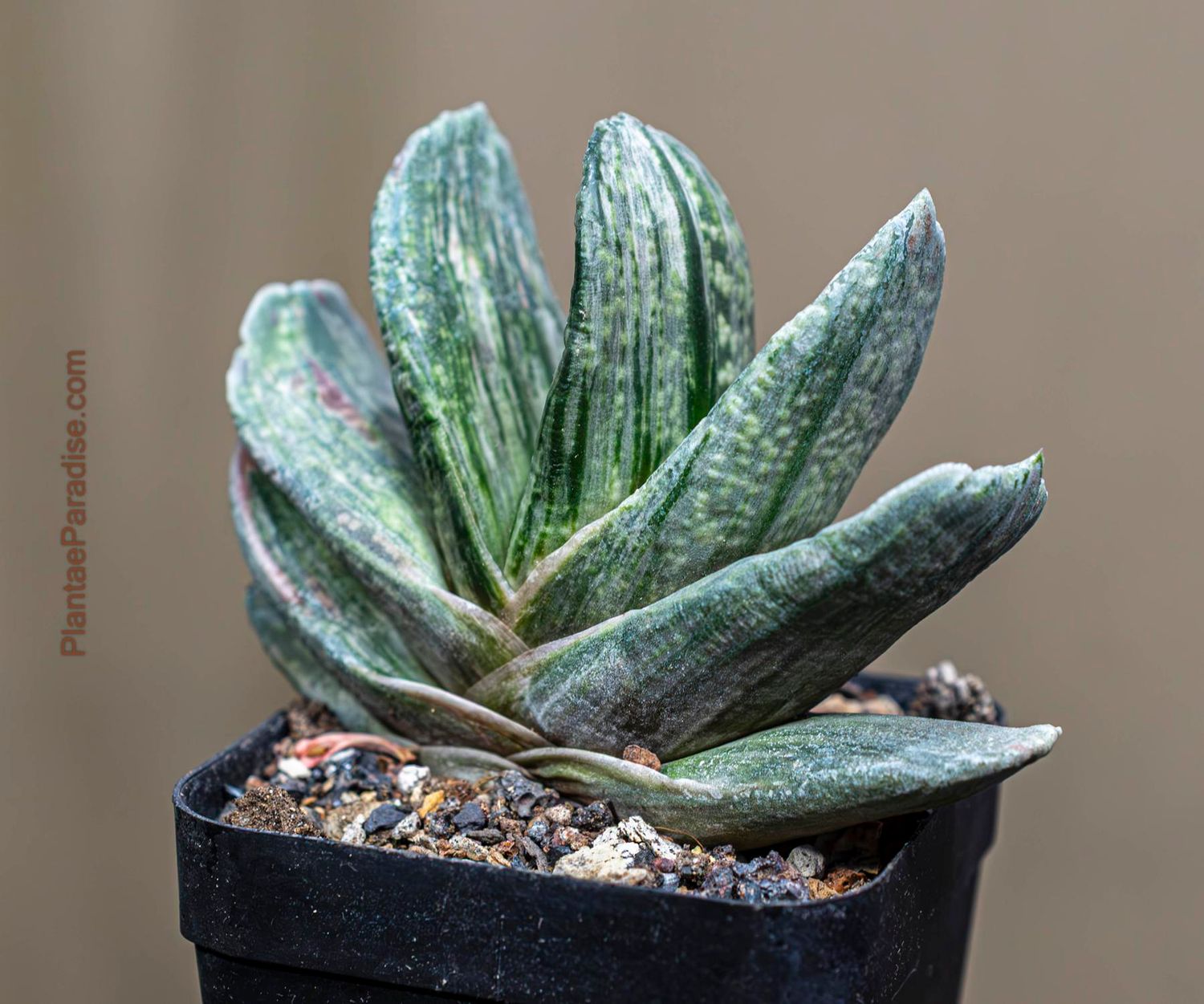
Gasteria x variegate bicolor `Araiso Matsu`
Product Details
Striking Variegation: Gasteria bicolor f. variegata ‘Araiso Matsu’
A highly coveted Japanese cultivar renowned for its architectural structure and vibrant, cream-yellow marbling.
- Origin & History of Name: The genus name Gasteria is derived from the Greek gaster, meaning "stomach," referring to the swollen base of the flower.
The cultivar name ‘Araiso Matsu’ (Rough Sea Pine) is of Japanese origin, likely referencing the jagged, rugged appearance of mature specimens or a coastal aesthetic. Bicolor refers to its naturally two-toned green coloration before variegation is introduced. - Morphology: This succulent features thick, tongue-shaped leaves with a smooth epidermis.
It is distinguished by chimeral variegation, where streaks of cream or pale yellow run longitudinally against a dark green backdrop. The leaves grow in a distichous (two-ranked) arrangement when young, often spiraling into a rosette as the plant matures. - Habitat & Origin: This plant is a cultivated variety (cultivar) of the South African Gasteria bicolor. It was selectively bred in Japan for its specific variegated patterns. As a cultivar, it is produced in nurseries through offsets or tissue culture, making it a sustainable choice that does not impact wild succulent populations.
- Cultivation Profile:
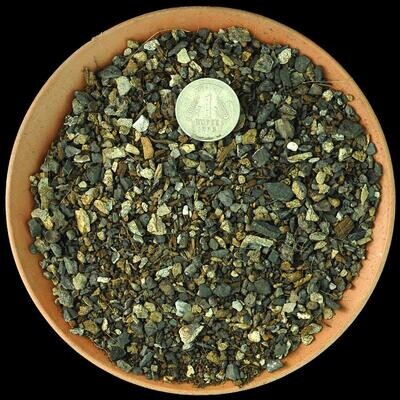
- Substrate: A strictly mineral-based mix (60% pumice or grit, 40% organic matter) to prevent root rot during Indian monsoons.
- Light: Bright, indirect light; in the Indian subcontinent, provide 50% shade during peak summer to avoid leaf scorching.
- Water/Dormancy: Water deeply when the substrate is bone-dry. Reduce watering significantly during the humid monsoon and the cool winter dormancy period.
- Scientific/Historical Anecdote: Gasteria species were once grouped with Aloe, but were separated in the early 19th century due to their unique "stomach-shaped" flowers.
Interestingly, they are among the few succulents that can thrive in relatively low light, a biological adaptation to their native habitat where they often grow tucked under the shade of larger Karoo shrubs.
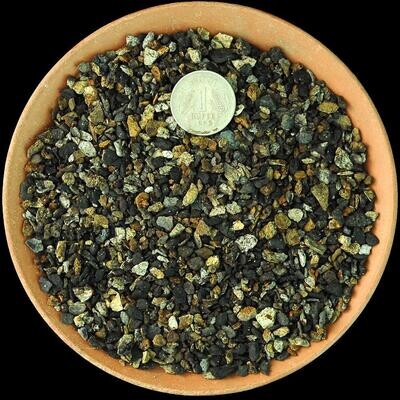
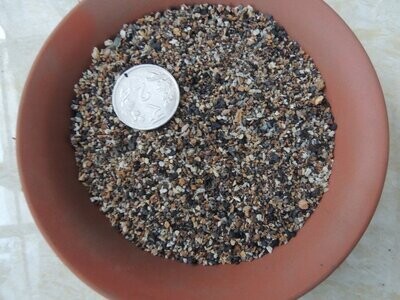
Cactus & Succulent Planting Mix COARSE (aka Cactus Soil Mix or Succulent Soil Mix)
Cactus & Succulent Planting Mix COARSE (aka Cactus Soil Mix or Succulent Soil Mix)
Washed, Free-Draining Mineral Mix for Cactus & Succulents
SKU MNS003
₹44.85
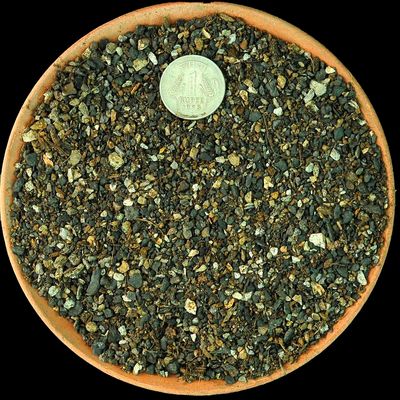
Cactus Seed Planting Mix
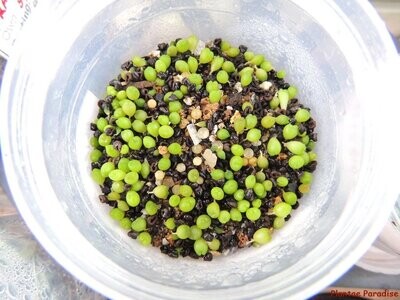
Cactus Seed Planting Mix
Sterile, Fine-Grain Media for Cactus & Succulent Seeds
SKU MNS005
₹74.85