

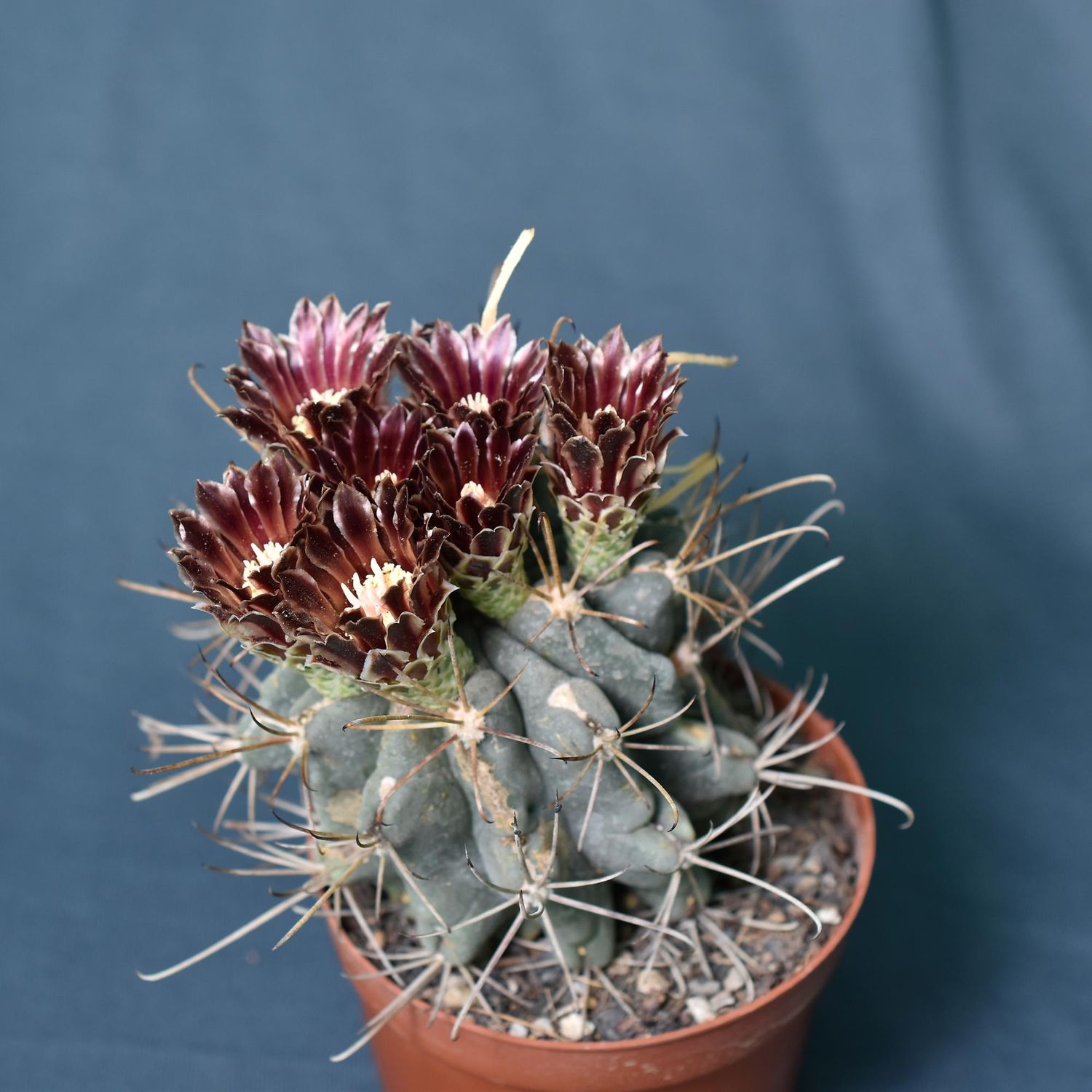
Glandulicactus uncinatus small size
Product Details
The Hooked Masterpiece: Glandulicactus uncinatus
Own a piece of Chihuahuan architecture defined by dramatic, Turkish-turban spines and deep maroon blooms.
- Origin & History of Name: The genus name Glandulicactus is derived from the Latin glandula (small gland), referring to the nectar-producing glands located on the areoles. The specific epithet uncinatus translates to "hooked," a direct nod to its signature central spines. It was famously described by George Engelmann in 1848, a physician and botanist who documented much of the flora along the US-Mexico border.
- Morphology: This species features a glaucous, bluish-green epidermis shaped into distinct costae (ribs). Its most striking feature is the spination: long, flattened central spines that curve into a sharp hook. Unlike many cacti, its flowers emerge from the apex in a rare shade of brownish-purple or deep burgundy, providing a stark contrast to the pale spines.
- Habitat & Origin: This is a wild species native to the Chihuahuan Desert, spanning from South Texas through North-Central Mexico. Our specimens are nursery-grown via sustainable propagation practices to ensure the protection of wild populations and ecological integrity.
- Cultivation Profile:
- Substrate: Use a strictly mineral-based mix (70% grit/pumice, 30% organic matter). Avoid standard potting soil to prevent root rot in humid Indian climates.
- Light: Thrives in full morning sun. In peak Indian summers (April–June), provide 30-50% shade cloth protection to prevent epidermal scorching.
- Water/Dormancy: Deep soak only when the substrate is completely bone-dry. Maintain strict drought during the winter dormancy (November–February) to trigger spring flowering.
5. Scientific/Historical Anecdote: Interestingly, Glandulicactus uncinatus was long classified under the genus Sclerocactus or Echinocactus. It was separated into its own genus partly because of its unique "extrafloral nectaries"—glands that secrete nectar outside of the flower to attract ants, which in turn protect the plant from more harmful pests in its natural habitat.
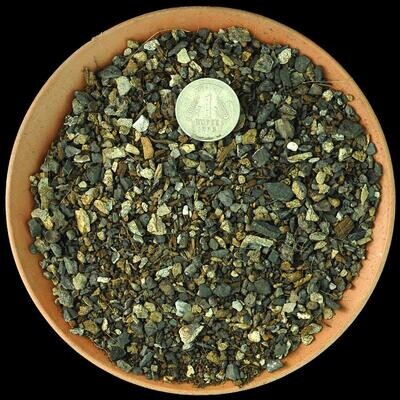
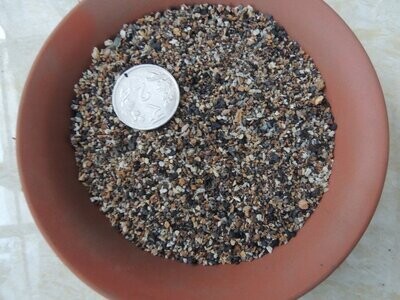
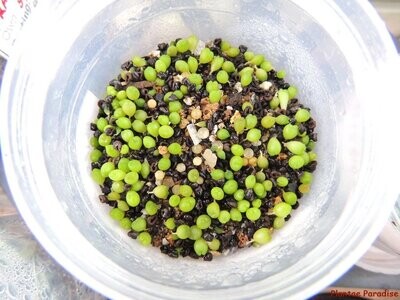
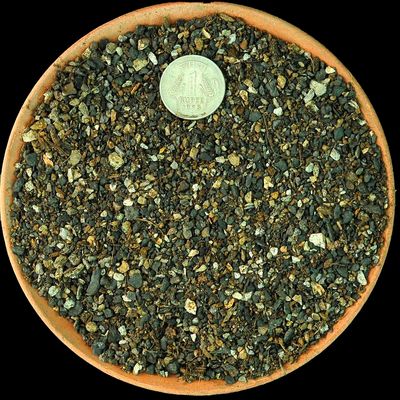
Cactus Seed Planting Mix
Cactus Seed Planting Mix
Sterile, Fine-Grain Media for Cactus & Succulent Seeds
SKU MNS005
₹74.85
New
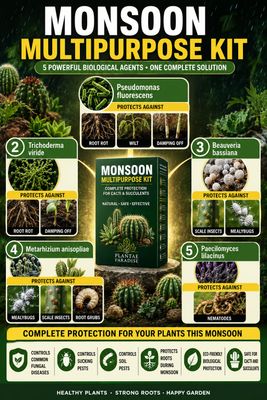
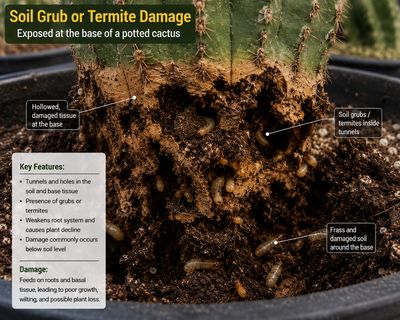
Monsoon Guardian Kit (5 in 1)
Monsoon Guardian Kit (5 in 1)
Complete 5-in-1 biological protection kit for cacti & succulents
SKU MNS024
₹850.00