Gymnocalycium Ambatoense
Product Details
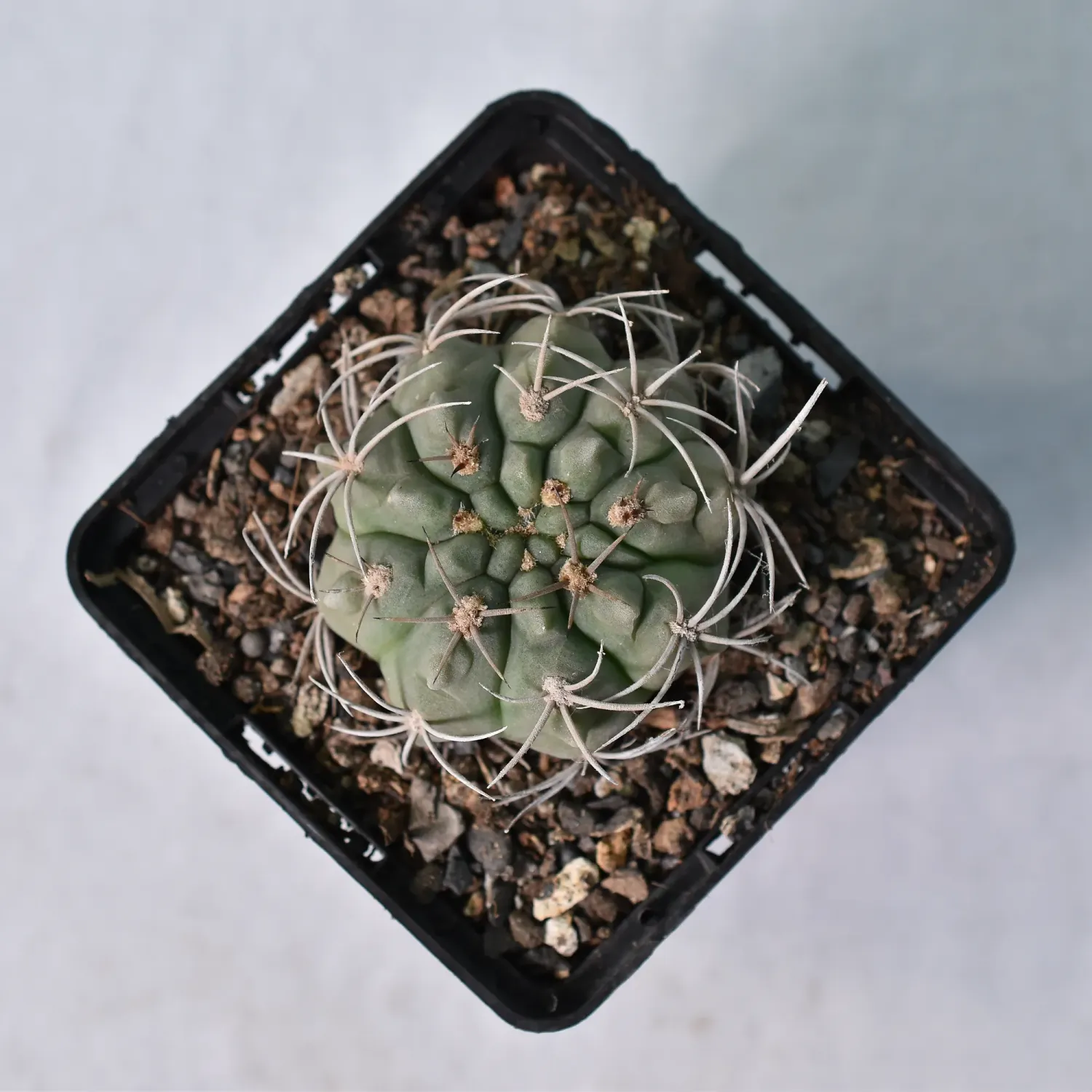
Argentinian Armor: Gymnocalycium ambatoense
A rare, architectural gem for the serious collector, prized for its formidable spination and geometric precision.
- Origin & History of Name: The genus name Gymnocalycium is derived from the Greek gymnos (naked) and kalyx (bud), referring to the flower buds which lack hair or spines.
The specific epithet ambatoense identifies its discovery in the Sierra de Ambato in Catamarca, Argentina. It was formally described by Austrian botanist Hans Till in 1987, who recognized it as a distinct species within the G. hybopleurum complex. - Morphology: This solitary cactus features a globose, slightly flattened epidermis in shades of olive to brownish-green. It is characterized by 8–11 broad, rounded costae (ribs) divided by deep transverse furrows into chin-like tubercles. Its most striking feature is the thick, recurved radial spines that emerge from woolly areoles, often interlocking to form a protective cage over the plant’s body.
- Habitat & Origin: Gymnocalycium ambatoense is a wild species endemic to the high-altitude rocky slopes of Catamarca, Argentina.
It grows at elevations between 900 and 1,100 meters. These plants are ethically sourced through nursery-propagated seeds to ensure the conservation of wild populations in their restricted natural range. - Cultivation Profile:
- Substrate: Use a strictly mineral-based mix (60% coarse sand, pumice, or perlite and 40% organic matter). In the Indian climate, ensure the pot is porous (terracotta) to prevent root rot.
- Light: Bright, filtered sunlight is ideal. In the Indian summer, provide 40%–50% shade to prevent scorching of the epidermis; avoid direct midday sun in zones like Rajasthan or Central India.
- Water/Dormancy: Water deeply when the substrate is completely dry during the growing season (March–September). In winter, or during the peak monsoon humidity, maintain strict dormancy by withholding water entirely to prevent fungal infections.
- Scientific/Historical Anecdote: Many Gymnocalycium species, including ambatoense, are known for "moving" their spines. As the plant dehydrates during the dry season, the body shrinks, causing the spines to pull closer together and overlap. This biological mechanism creates a micro-climate of shade over the plant's skin, reducing water loss through evaporation—a specialized survival tactic for the arid Argentinian highlands.
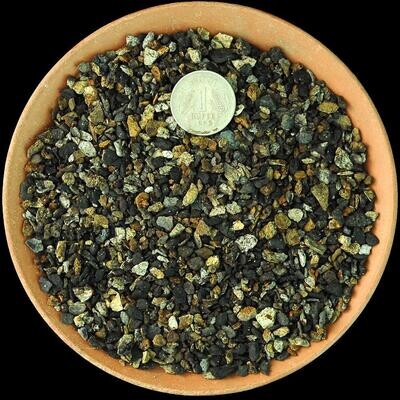
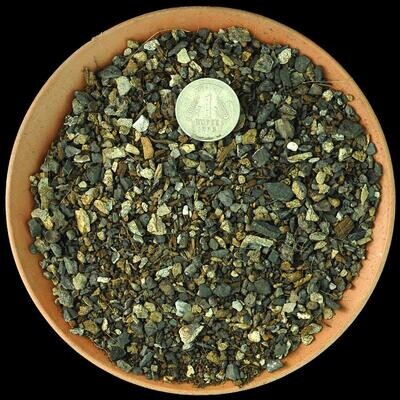
Cactus & Succulent Planting Mix COARSE (aka Cactus Soil Mix or Succulent Soil Mix)
Cactus & Succulent Planting Mix COARSE (aka Cactus Soil Mix or Succulent Soil Mix)
Washed, Free-Draining Mineral Mix for Cactus & Succulents
SKU MNS003
₹44.85
New
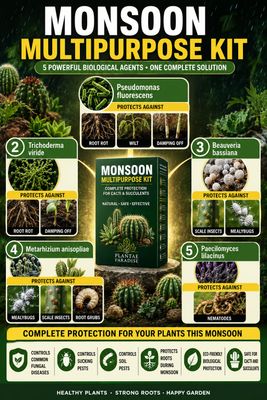
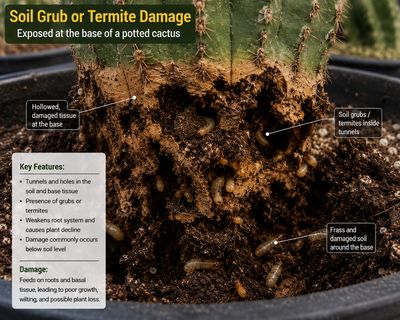
Monsoon Guardian Kit (5 in 1)
Monsoon Guardian Kit (5 in 1)
Complete 5-in-1 biological protection kit for cacti & succulents
SKU MNS024
₹850.00
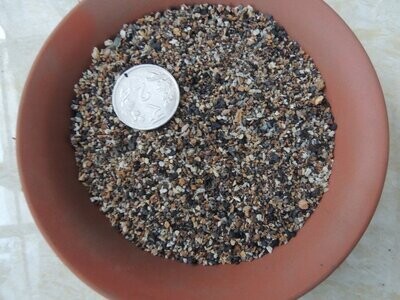
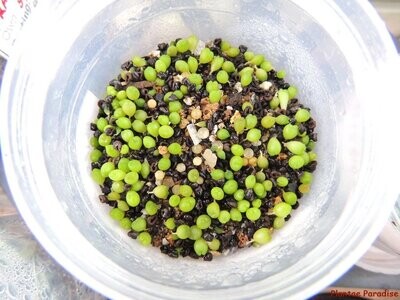
Cactus Seed Planting Mix
Cactus Seed Planting Mix
Sterile, Fine-Grain Media for Cactus & Succulent Seeds
SKU MNS005
₹74.85