Seed grown plants . Thick curved wrap around spines.
Origin of Name:
Gymnocalycium ambatoense derives its name from a combination of Greek and geographic origins. 'Gymnocalycium' is a genus name rooted in Greek, with 'gymnos' meaning 'naked' and 'calyx' meaning 'cup,' referring to the bare flower buds devoid of ribbed spines seen in many cacti. The species name 'ambatoense' is named after Ambato, a region in Argentina where this cactus was first documented. Recognized by botanists for its unique characteristics in the early 20th century, the plant showcases a harmonious blend of native heritage and botanical curiosity, with its unadorned flower buds lending a distinctive charm. This genus is valued not only for its horticultural beautiful but also for its botanical significance among cacti enthusiasts.
Origin of Plant:
Gymnocalycium ambatoense is indigenous to the semi-arid zones of northwestern Argentina, particularly in the Ambato region. The plant thrives in dry, rocky areas and is well-adapted to the harsh conditions of its native landscape, with its discovery dating back to early exploratory botanical studies in Argentina. These regions are characterized by their dramatic landscapes and diverse flora, providing a natural habitat that supports a wide range of cactus species. Its discovery has contributed to a deeper understanding of the biodiversity in these ancient terrains, making it a subject of interest for both botanists and plant collectors alike.
Description:
This charming cactus boasts a small, globular shape, typically growing up to 3 inches in height and about 4 inches in diameter. It features rounded, ribbed bodies with a bluish-green hue, complemented by small, neat clusters of spines arranged symmetrically along the ribs. In spring and early summer, Gymnocalycium ambatoense displays beautiful white to pale pink flowers that bloom atop its smooth surface, contrasting strikingly with its muted body tones. These blossoms open widely during the day, offering a delightful display. Its compact size and stunning floral display make it an attractive choice for indoor planters or as part of a larger cactus garden.
Conservation Status:
Currently, Gymnocalycium ambatoense is not listed as endangered and remains relatively common in cultivation. However, like many cacti, it faces threats from habitat destruction and illegal collecting. Conservation efforts are ongoing to protect its natural habitats and promote sustainable cultivation practices in nurseries, ensuring that this fascinating plant continues to thrive both in the wild and in collections worldwide.
Care:
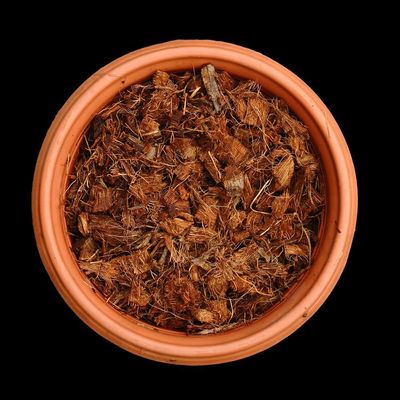
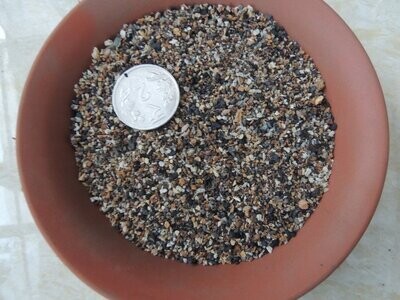
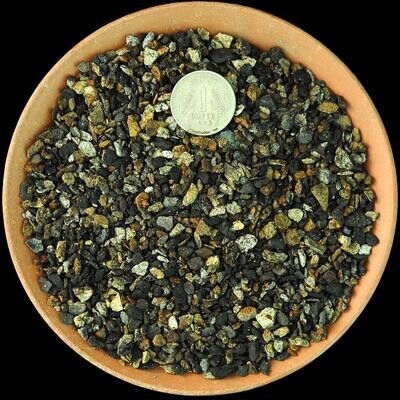
This cactus is easy to care for, making it ideal for beginners and experienced plant enthusiasts alike. It prefers bright, indirect sunlight but can tolerate some direct morning sun. Use a well-draining cactus or succulent mix, and water sparingly—allowing the soil to dry out completely between waterings, particularly in the dormant fall and winter months. During the growing season, water more frequently but avoid overwatering to prevent root rot. The plant thrives in warm temperatures between 60°F to 80°F and should be kept indoors or sheltered in colder climates. Occasional fertilization with a diluted cactus fertilizer during the active growth phase will promote healthy development and flowering. With proper care, Gymnocalycium ambatoense will bring years of enjoyment with its intriguing form and beautiful blossoms.