

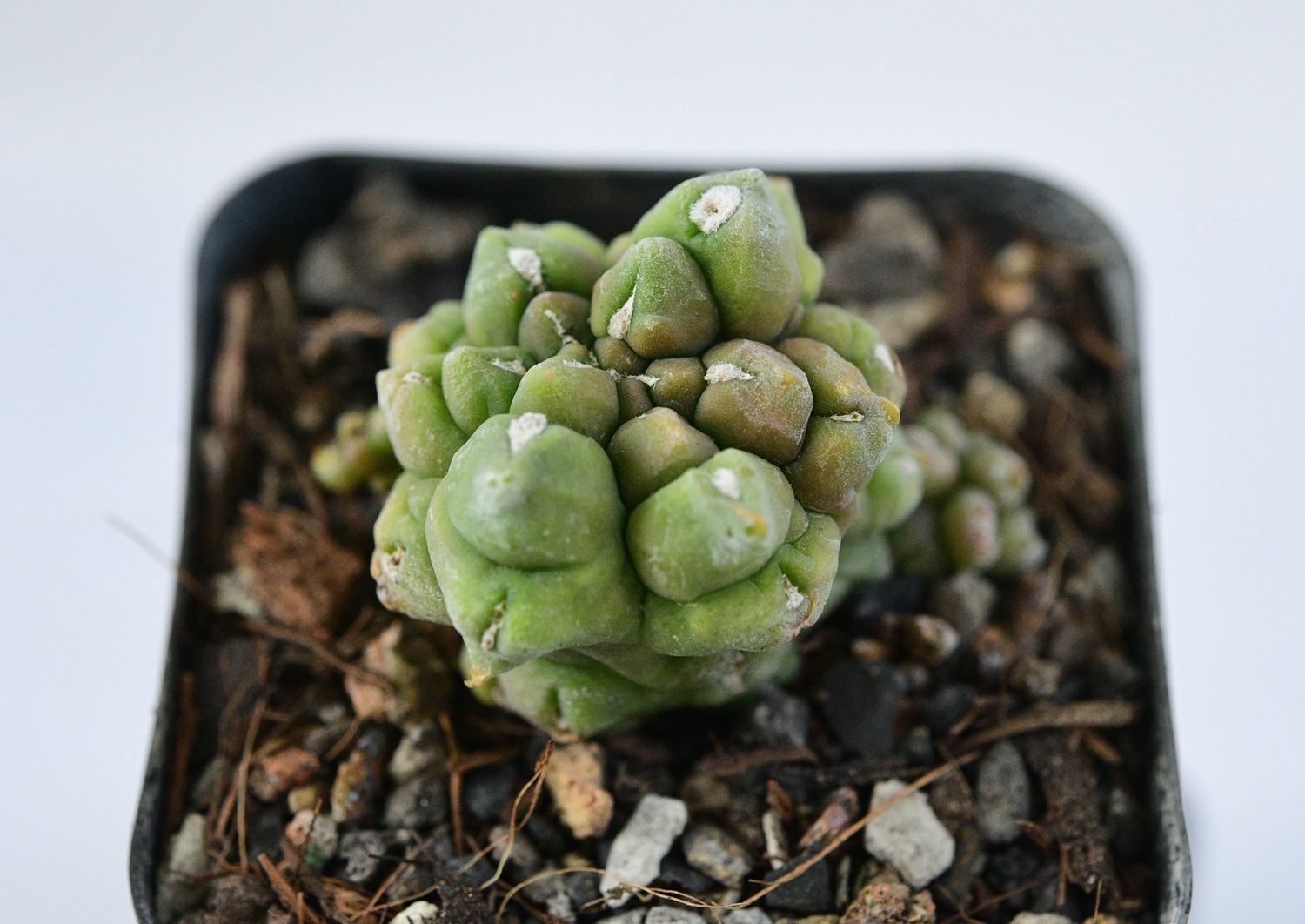
Gymnocalycium anisitsii forma mostruosa Syn Gymnocalycium Kikko
Product Details
Sculptural Geometry: Gymnocalycium anisitsii f. mostruosa (Kikko)
A mesmerizing architectural marvel, this "Kikko" form transforms the classic Gymnocalycium into a living piece of geometric art.
- Origin & History of Name: The genus name Gymnocalycium derives from the Greek gymnos (naked) and kalyx (bud), referring to flower buds that lack hair or spines.
- Morphology: This "mostruosa" or monstrous form is characterized by a breakdown in regular growth patterns. Instead of standard ribs, the epidermis is divided into prominent, pointed tubercles or costae (ribs) that create a jagged, star-like appearance. It typically remains globose, featuring a dark green to brownish-purple body with minimal spination, emphasizing its sharp, structural silhouette.
- Habitat & Origin: While the base species G. anisitsii is native to the lowlands of Paraguay, the "Kikko" is a specialized cultivar developed through selective breeding, primarily in Japan. As a nursery-produced plant, it is a highly sustainable choice for collectors, ensuring no wild populations are disturbed for trade.
- Cultivation Profile:
- Substrate: Use a strictly mineral-based mix (50% grit/pumice, 20% scoria, 30% organic matter). In the humid Indian climate, high porosity is essential to prevent root rot.
- Light: Provides bright, filtered sunlight. In the Indian summer, protect from harsh afternoon sun (12:00 PM – 4:00 PM) to avoid epidermis scorching; 30%–50% shade cloth is ideal.
- Water/Dormancy: Water deeply only when the medium is completely bone-dry. During the monsoon, withhold water if humidity is extreme. In winter (November–February), the plant enters dormancy and should be kept dry to mimic its natural cycle.
- Scientific/Historical Anecdote: Gymnocalycium was one of the first genera to be extensively hybridized and selected for mutations in Japan. The "Kikko" mutation is technically a form of "meristematic instability," where the growing point of the plant produces irregular, rhythmic plateaus rather than a smooth rib, a trait highly prized in the "Moha" (monstrous) category of cactus collecting.
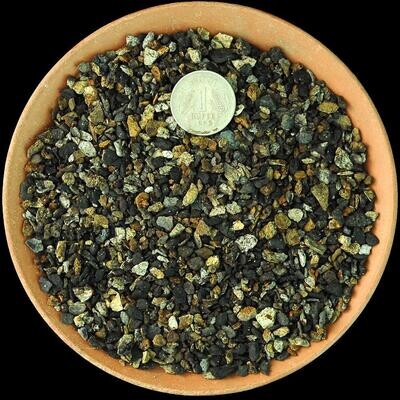
Cactus & Succulent Planting Mix COARSE (aka Cactus Soil Mix or Succulent Soil Mix)
Cactus & Succulent Planting Mix COARSE (aka Cactus Soil Mix or Succulent Soil Mix)
Washed, Free-Draining Mineral Mix for Cactus & Succulents
SKU MNS003
₹44.85
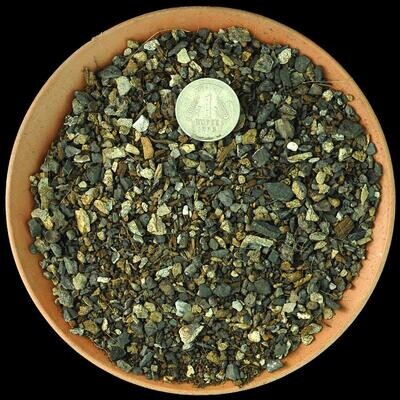
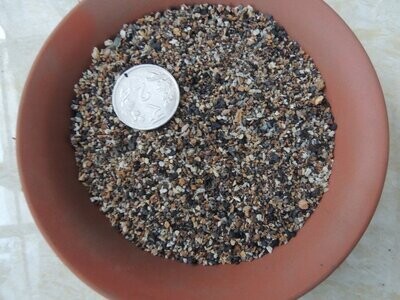
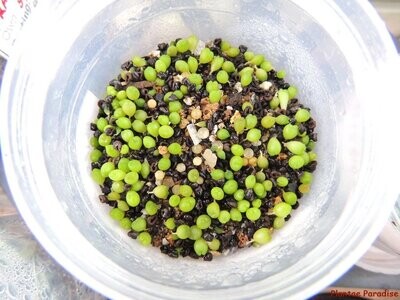
Cactus Seed Planting Mix
Cactus Seed Planting Mix
Sterile, Fine-Grain Media for Cactus & Succulent Seeds
SKU MNS005
₹74.85
New
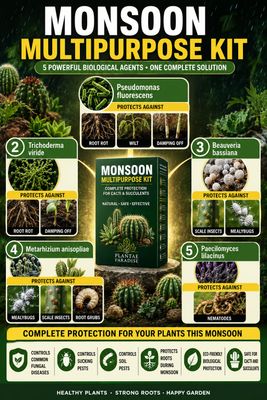
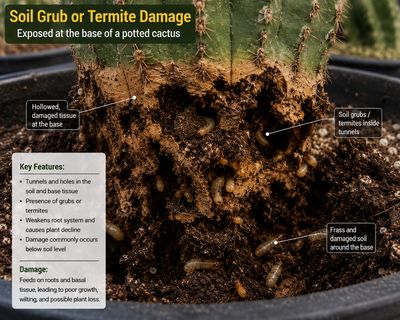
Monsoon Guardian Kit (5 in 1)
Monsoon Guardian Kit (5 in 1)
Complete 5-in-1 biological protection kit for cacti & succulents
SKU MNS024
₹850.00