

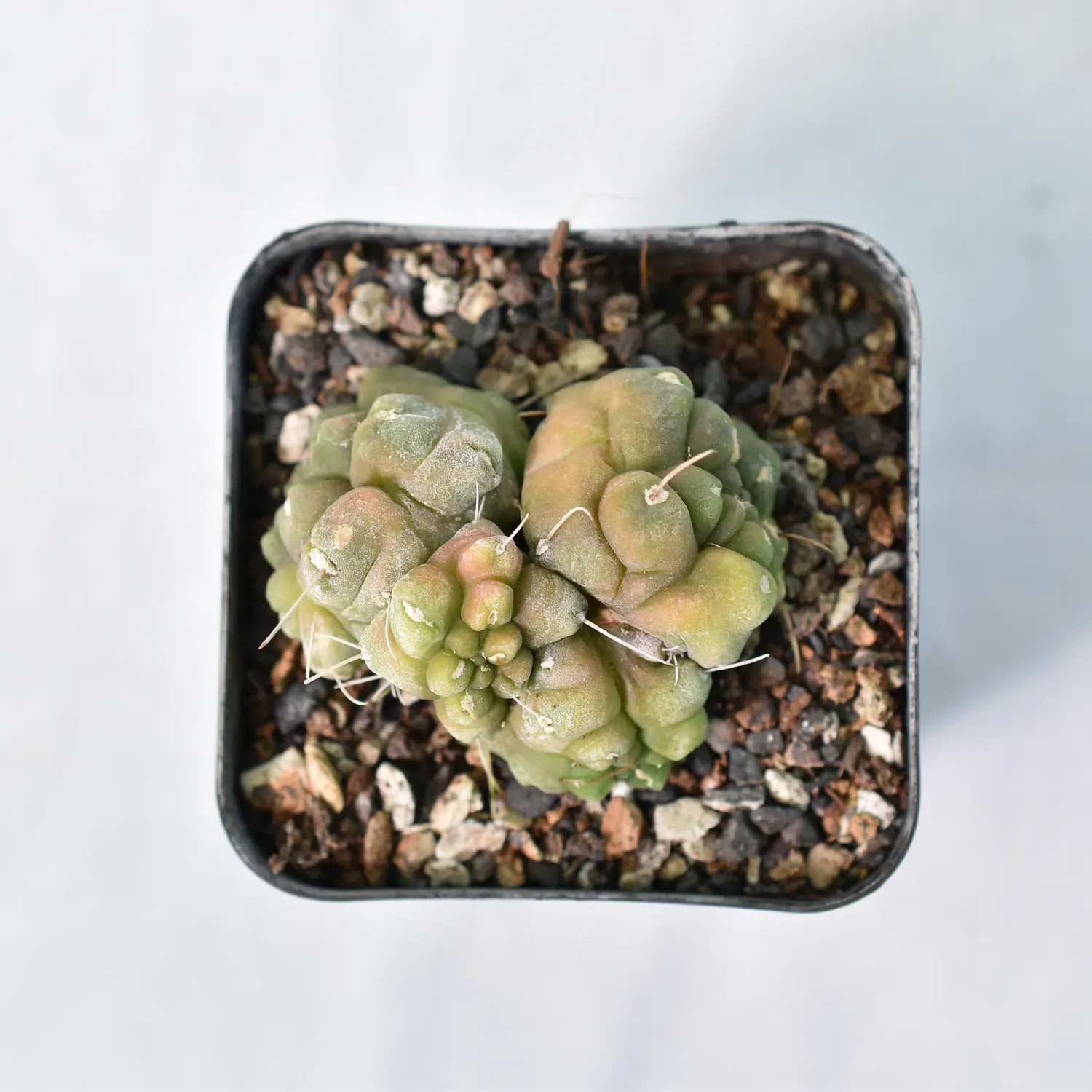
Gymnocalycium anisitsii forma mostruosa Syn Gymnocalycium Kikko
Product Details
The Sculptural Marvel: Gymnocalycium anisitsii f. mostruosa 'Kikko'
A geometric masterpiece for the discerning collector, defined by its rare, deep-edged "tortoise shell" ribbing.
- Origin & History of Name: The genus name Gymnocalycium is derived from the Greek gymnos (naked) and kalyx (bud), referring to the flower buds that lack hair or spines.
- Morphology: This "mostruosa" (monstrose) form deviates from the typical species by producing prominent, angular tubercles. These protrusions create a jagged, star-like geometry along the costae (ribs). The epidermis is typically a matte dark green but can take on purplish hues under high light. Unlike the standard form, 'Kikko' features recessed areoles that emphasize its structural, architectural silhouette.
- Habitat & Origin: While the parent species G. anisitsii is native to the dry forests of Paraguay and Brazil, the 'Kikko' form is a cultivar of Japanese origin. It does not exist in the wild; it is the result of meticulous selective breeding. As a nursery-produced specimen, it is a highly sustainable choice for collectors, posing no threat to wild populations.
- Cultivation Profile:
- Substrate: Use a strictly mineral-based mix (60–70% inorganic). In the Indian climate, a blend of crushed pumice, lava rock, and coarse sand with minimal organic matter prevents root rot during humid months.
- Light: Thrives in bright, filtered light. In India, provide 30–50% shade cloth protection during peak summer (March–June) to prevent sunscald on the epidermis.
- Water/Dormancy: Water thoroughly only when the medium is bone-dry. During the monsoon, withhold water entirely if humidity is high. In winter, enter a dry dormancy period to encourage spring flowering.
- Scientific/Historical Anecdote: Gymnocalycium is one of the few cactus genera where the "naked" flower tube is a primary diagnostic feature.
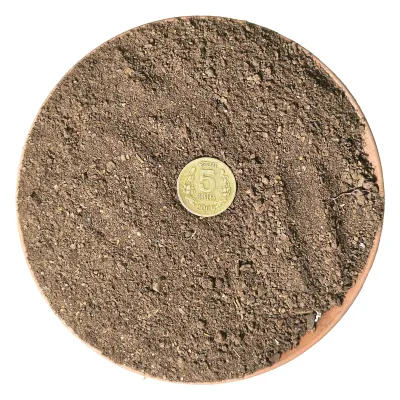
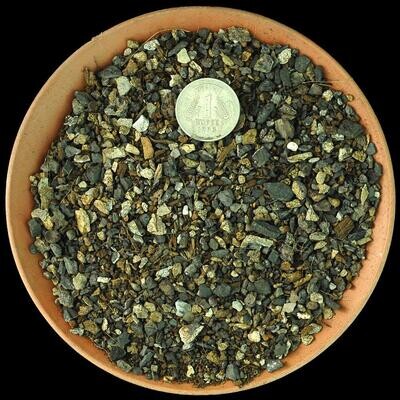
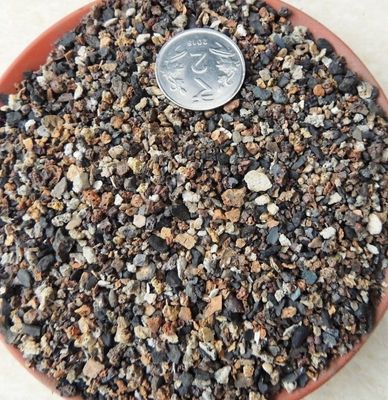
Cactus & Succulent Planting Mix FINE (aka Cactus Soil Mix or Succulent Soil Mix)
Cactus & Succulent Planting Mix FINE (aka Cactus Soil Mix or Succulent Soil Mix)
Fine-Grain Potting Mix for Cactus & Succulent Roots
SKU MNS001
₹33.74
New
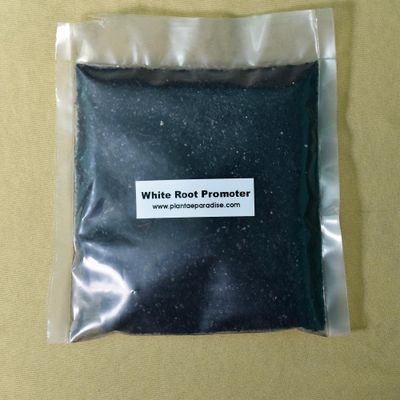
White Root Promoter -- Humate Fulvate Mix 400 gm
White Root Promoter -- Humate Fulvate Mix 400 gm
Root Growth Booster for Plants | Humate Fulvate Mix
SKU MNS022
₹225.97