Etymology
The genus name "Gymnocalycium" is derived from the Greek words "gymnos," meaning "naked," and "kalyx," meaning "calyx" or "cup," which refers to the flower's structure that lacks spines or has reduced spines at its base. The species name "asterium" comes from the Greek word "aster," meaning "star," alluding to the star-shaped flowers that this cactus produces. This naming reflects both the remarkable appearance of the plant and its unique characteristics among cacti.
Origin
Gymnocalycium asterium is native to the arid regions of Argentina, particularly found in provinces such as San Juan and Mendoza. These regions feature rocky terrain and dry, well-drained soil, where this species thrives in conditions characterized by high temperatures and limited rainfall. The plant has adapted to its native habitat, making it well-suited for survival in harsh climates.
Description
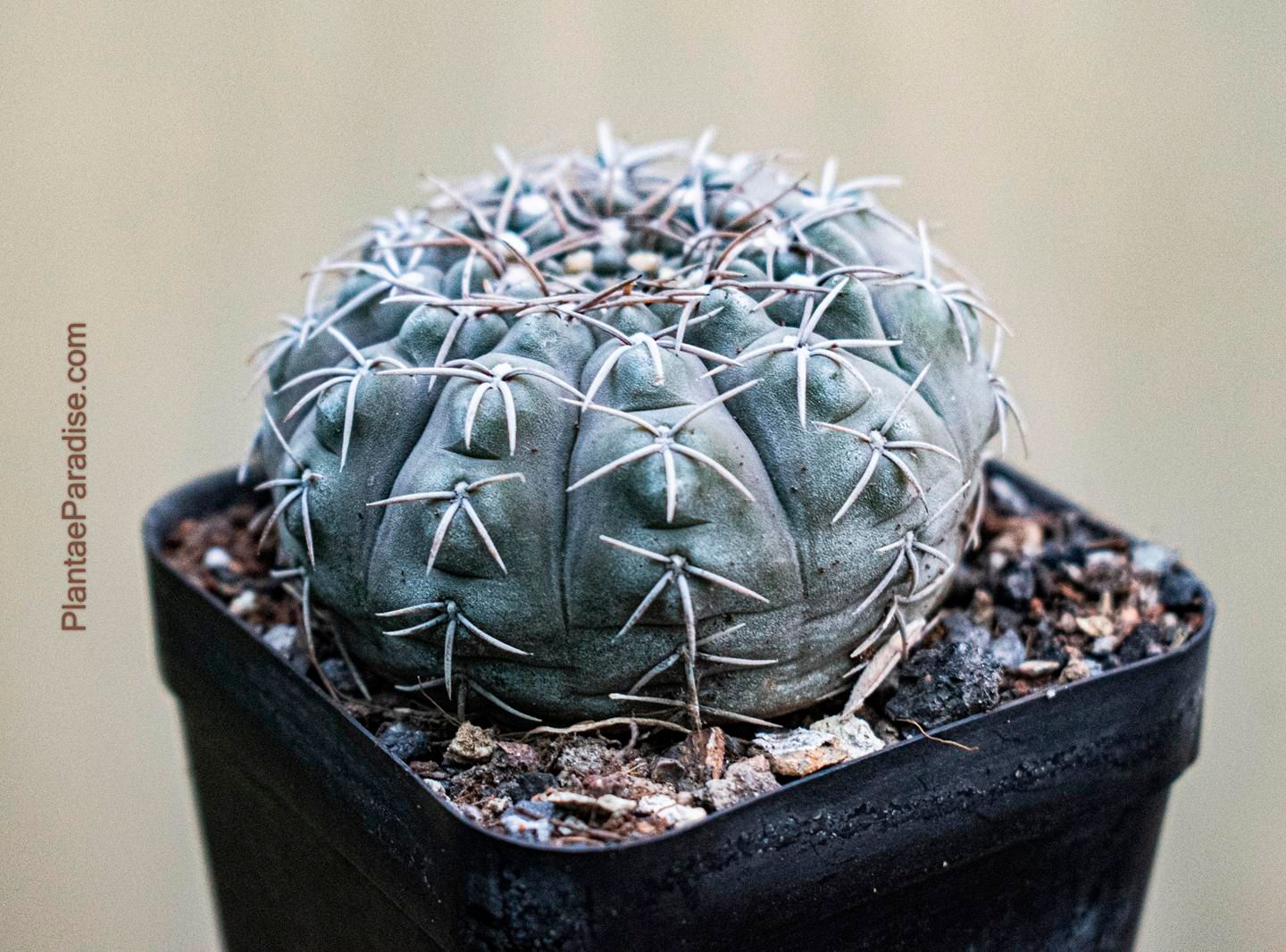
Gymnocalycium asterium is a small, globular cactus that typically grows to a height of 3 to 6 inches (7.5 to 15 cm) and can reach similar diameters. The stem is typically dark green and ribbed, with distinct tubercles that give it a textured appearance. One of the notable features of this cactus is its beautiful star-shaped flowers, which can range in color from white to pink or purple, often appearing in profusion during the blooming season in spring and summer. The flowers emerge from the apex of the plant and are known for their attractive and fragrant qualities, making them appealing to pollinators.
Conservation Status
Currently, Gymnocalycium asterium is not classified as endangered, but it faces potential threats from habitat loss and over-collection due to its popularity among cactus enthusiasts. The ongoing urban development and agricultural expansion in its native regions can impact natural populations. Conservation efforts to protect both the habitat and sustainable cultivation practices are vital for ensuring the long-term survival of this species.
Care Instructions
Gymnocalycium asterium is relatively easy to care for, making it an excellent choice for both novice and experienced cactus growers. Here are the key guidelines for maintaining this unique species:
- Light: Prefers bright, indirect sunlight to full sun. At least 6 to 8 hours of direct sunlight each day is ideal for encouraging healthy growth and vibrant flowering.
- Water: Water sparingly, allowing the soil to dry out completely between waterings. Overwatering can lead to root rot, particularly during the cooler months when the plant's growth slows.
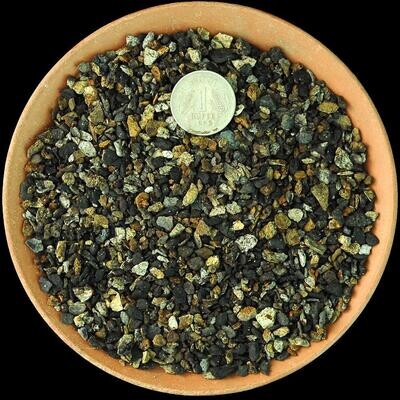
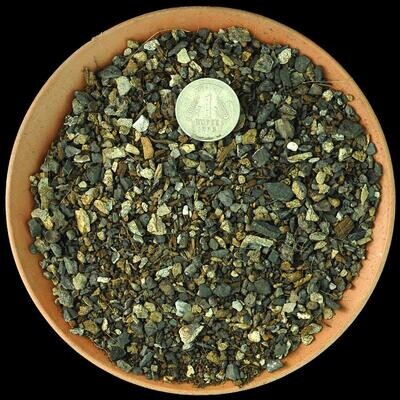
- Soil: Use a well-draining cactus or succulent mix to ensure adequate drainage. A mix that includes perlite or coarse sand can enhance drainage properties and prevent moisture retention.
- Temperature: Thrives in warm conditions, ideally between 70°F to 85°F (21°C to 29°C). It is sensitive to frost and should be protected from temperatures below 30°F (-1°C).
- Humidity: Prefers low humidity levels, consistent with its native arid habitat. Good air circulation around the plant is essential to avoid fungal issues.
- Fertilization: During the growing season (spring and summer), apply a diluted cactus fertilizer every 4 to 6 weeks to support healthy growth and flowering.