

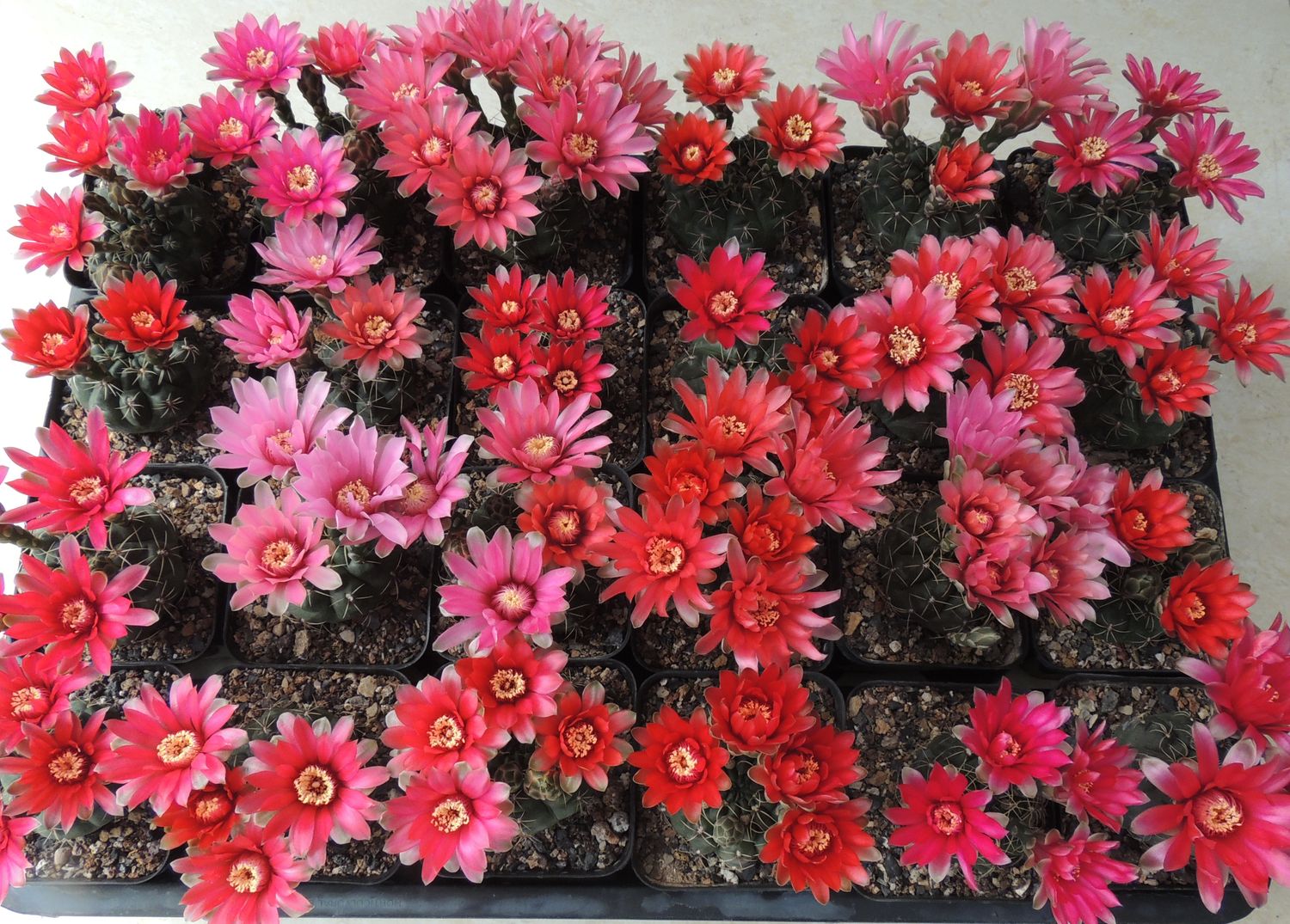
Gymnocalycium baldianum
Product Details
The Crimson Chin: Gymnocalycium baldianum
A minimalist masterpiece renowned for producing the deepest red blooms in the cactus kingdom.
- Origin & History of Name: The genus name Gymnocalycium derives from the Greek gymnos (naked) and kalyx (bud), referring to the flower buds being free of hair or spines.
The specific epithet baldianum honors J. Baldi, a colleague of the botanist Carlos Spegazzini, who first described the species in 1905. - Morphology: This solitary, globose cactus features a depressed-spherical epidermis that varies from bluish-green to greyish-brown.
It is characterized by 9–11 broad, rounded costae (ribs) divided by transverse furrows into chin-like tubercles. Its areoles bear curved, flexible radial spines that sit flat against the body, ensuring the focus remains on its prolific, funnel-shaped flowers. - Habitat & Origin: This is a wild species native to the Catamarca Province of Argentina, typically found growing among rocks and grasses at high altitudes.
Our specimens are nursery-grown via sustainable propagation, ensuring no impact on wild populations. - Cultivation Profile:
- Substrate: Use a strictly mineral-based mix (70% grit/pumice, 30% organic matter) to prevent root rot in humid Indian climates.
- Light: Thrives in bright, filtered light; protect from scorching afternoon sun in Northern or Central India to prevent epidermis scarring.
- Water/Dormancy: Water deeply when the medium is completely dry during the monsoon and summer. Observe a dry dormancy from November to February to trigger spring flowering.
- Scientific/Historical Anecdote: Unlike many of its relatives in the Gymnocalycium genus which produce white or pale pink flowers, G. baldianum is famous for its "true red" pigment. In the early 20th century, its discovery caused a sensation among European collectors because red-flowering globular cacti were exceptionally rare at the time.

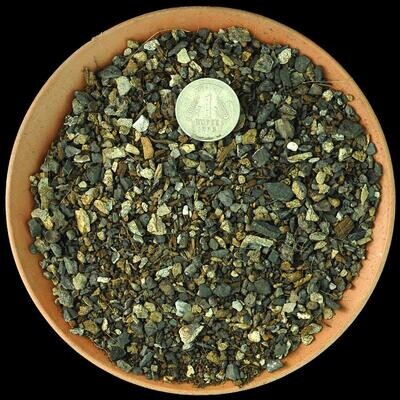


Cactus Seed Planting Mix
Cactus Seed Planting Mix
Sterile, Fine-Grain Media for Cactus & Succulent Seeds
SKU MNS005
₹74.85
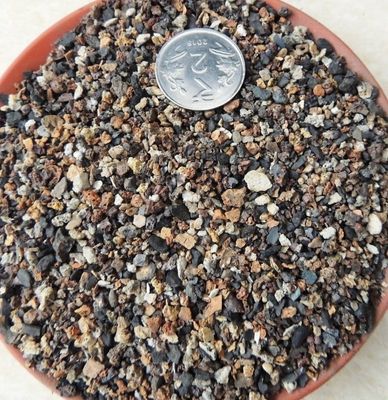
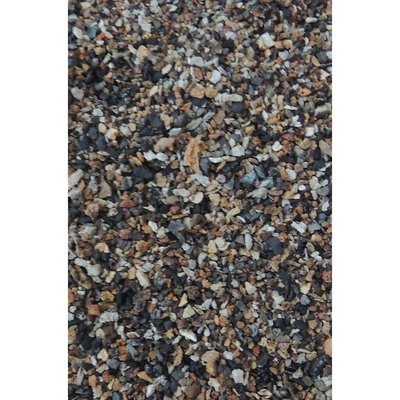
Cactus & Succulent Planting Mix FINE (aka Cactus Soil Mix or Succulent Soil Mix)
Cactus & Succulent Planting Mix FINE (aka Cactus Soil Mix or Succulent Soil Mix)
Fine-Grain Potting Mix for Cactus & Succulent Roots
SKU MNS001
₹39.85