Radiant Rarity: Gymnocalycium deeszianum cv. Yellow Sunshine
A luminous, chlorophyll-light cultivar that brings a sophisticated golden glow to any serious succulent collection.
1. Origin & History of Name The genus name Gymnocalycium is derived from the Greek gymnos (naked) and calyx (bud), referring to the flower buds which lack the spines or hairs typical of other cacti.
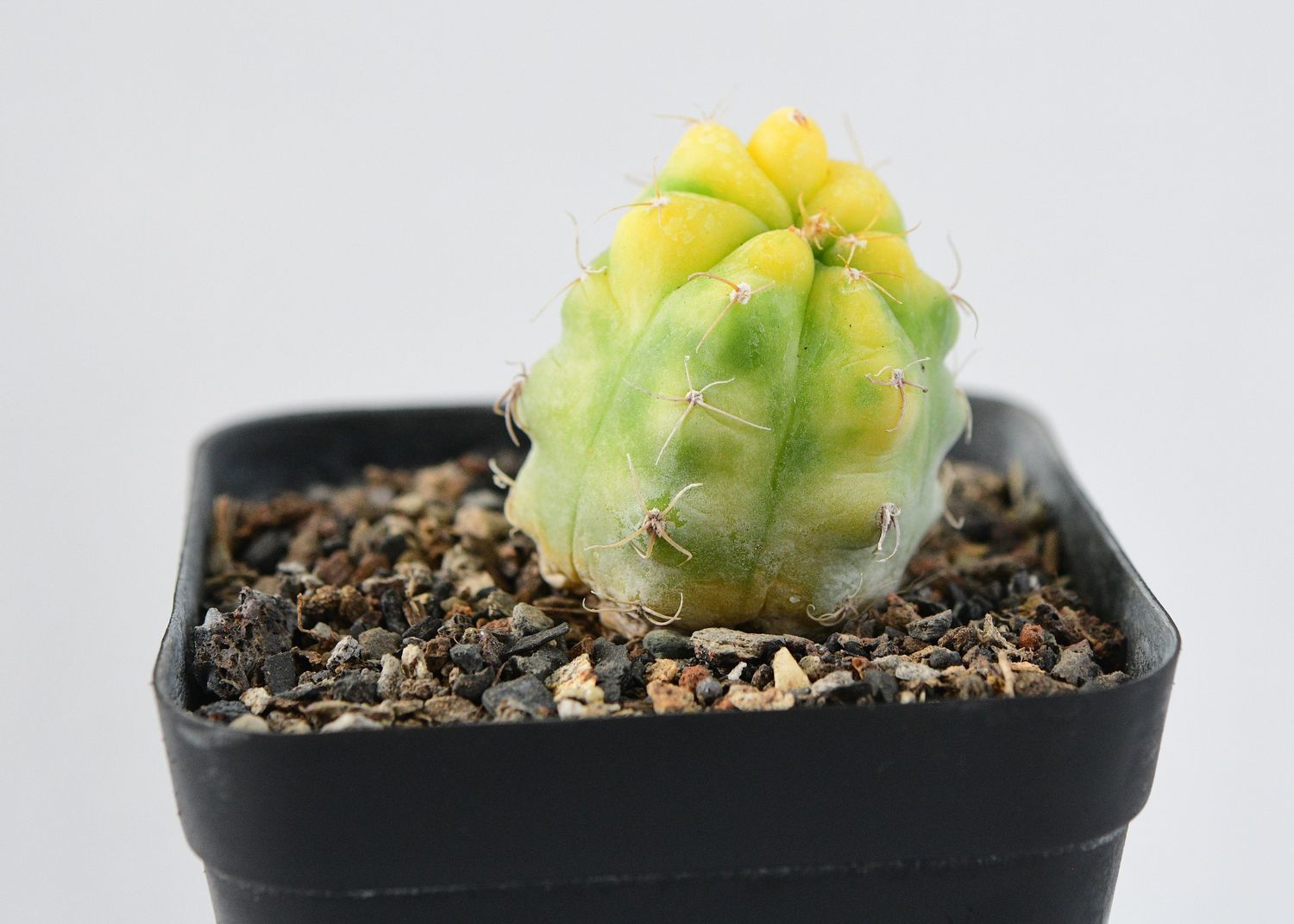
2. Morphology This cultivar is characterized by schizochromism, a genetic aberration where the dominant chlorophyll is partially missing, revealing underlying yellow carotenoid pigments.
3. Habitat & Origin While the parent species, Gymnocalycium deeszianum, is native to the rocky hills of Córdoba, Argentina, the ‘Yellow Sunshine’ is strictly a cultivar of garden origin.
4. Cultivation Profile
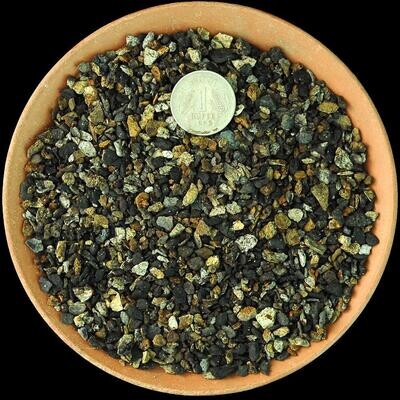
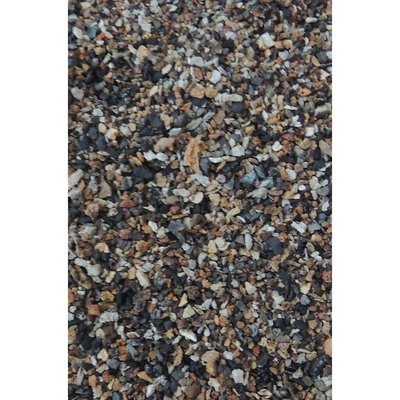
- Substrate: Requires a highly porous, mineral-heavy mix. Use 50% pumice or perlite with 50% coarse river sand and compost to prevent root rot in Indian humidity.
- Light: Needs bright, filtered light. Unlike non-variegated cacti, its yellow epidermis lacks protective chlorophyll and will scorch easily under direct Indian noon sun (especially May–June). Use 50% shade cloth.
- Water/Dormancy: Water moderately during the growing season (March–October) only when the substrate is bone dry.
Keep completely dry during the winter dormancy (November–February) to induce spring flowering.
5. Scientific Anecdote The ‘Yellow Sunshine’ exhibits a fascinating biological phenomenon known as "stable variegation." Unlike many variegated cacti that must be grafted onto a green rootstock to survive, this cultivar typically retains enough chlorophyll in its olive-green zones to photosynthesize on its own roots. This makes it a rare example of a "self-sufficient" variegated mutant in the cactus world.