

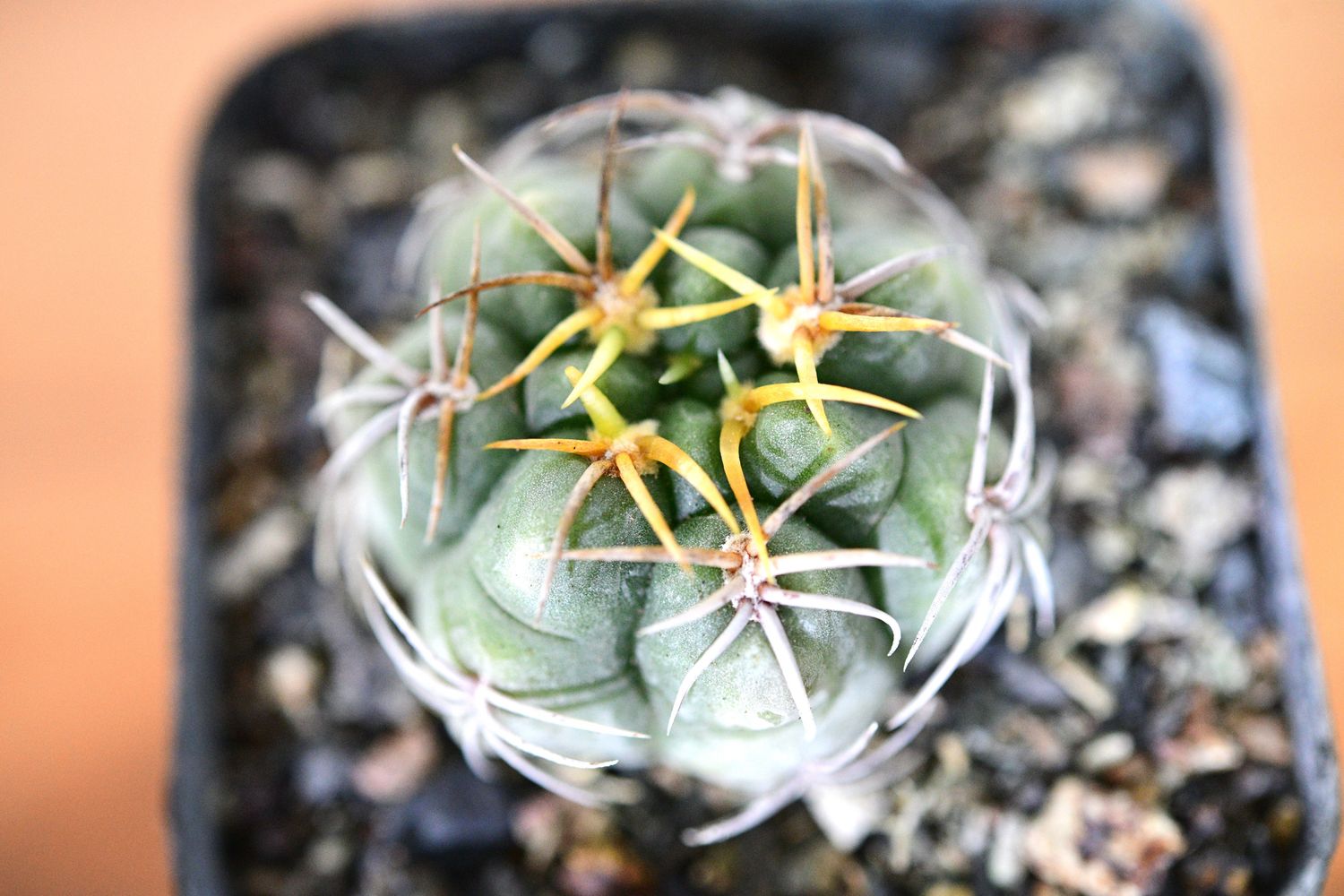
Gymnocalycium denudatum
Product Details
The Velvet Gem: Gymnocalycium Denudatum
A coveted collector’s treasure prized for its gloss-finished emerald skin and spider-like ivory spines.
- Origin & History of Name The genus name Gymnocalycium is derived from the Greek gymnos (naked) and kalyx (bud), referring to flower buds that lack hair or spines.
The specific epithet denudatum is Latin for "naked" or "stripped," pointing to the plant's smooth, glossy epidermis. It was first described in 1828 by German botanist Johann Friedrich Heinrich Link and Friedrich Otto, cementing its place as one of the earliest recognized species in the genus. - Morphology Commonly known as the "Spider Cactus," this species features a globose, depressed-spherical stem with a deep green, lustrous epidermis.
It typically possesses 5 to 8 broad, rounded costae (ribs) that lack the prominent chin-like protrusions seen in other Gymnocalycium. Its areoles produce 3 to 8 curved, appressed spines that lay flat against the body, resembling small pale spiders. - Habitat & Origin This is a wild species native to South America, specifically found in the grasslands of southern Brazil, Uruguay, and northern Argentina.
While many cultivars like 'Jan Suba' exist, the true G. denudatum is a resilient wild-type. Our specimens are nursery-grown from seed to ensure the protection of wild populations and promote sustainable horticulture. - Cultivation Profile
- Substrate: Use a strictly mineral-based mix consisting of 70% inorganic material (pumice, perlite, or crushed brick) and 30% organic matter to prevent root rot.
- Light: Prefers bright, filtered light. In the Indian climate, provide 40-50% green net shading; direct midday summer sun will scorch the epidermis.
- Water/Dormancy: Water deeply when the substrate is completely dry during the growing season (March–October). During the Indian winter or monsoon humidity peaks, withhold water almost entirely to respect its dormancy.
5. Scientific/Historical Anecdote The Gymnocalycium genus is scientifically unique because of its "naked" flower tubes.
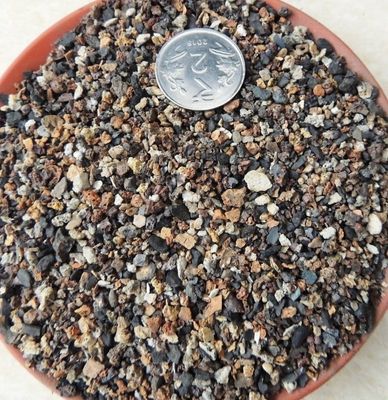
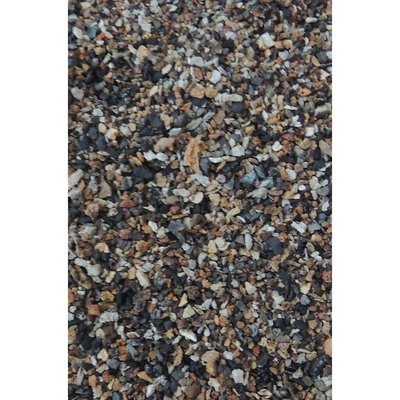
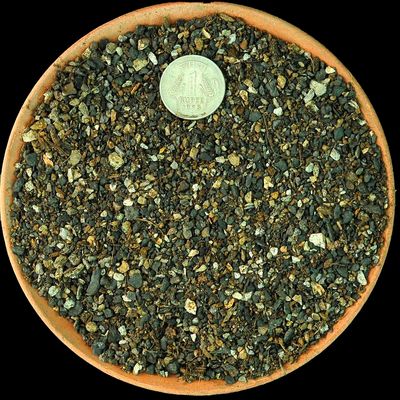
Cactus & Succulent Planting Mix FINE (aka Cactus Soil Mix or Succulent Soil Mix)
Cactus & Succulent Planting Mix FINE (aka Cactus Soil Mix or Succulent Soil Mix)
Fine-Grain Potting Mix for Cactus & Succulent Roots
SKU MNS001
₹39.85
New

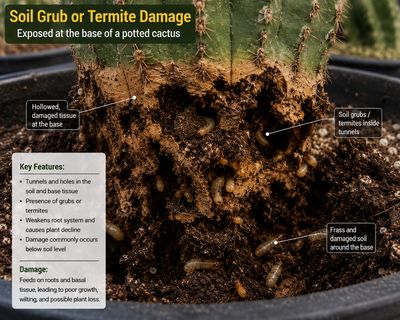
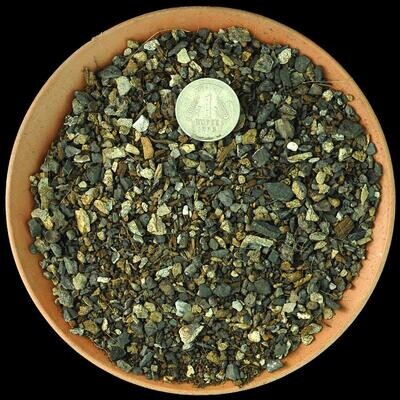
Monsoon Guardian Kit (5 in 1)
Monsoon Guardian Kit (5 in 1)
Complete 5-in-1 biological protection kit for cacti & succulents
SKU MNS024
₹850.00