

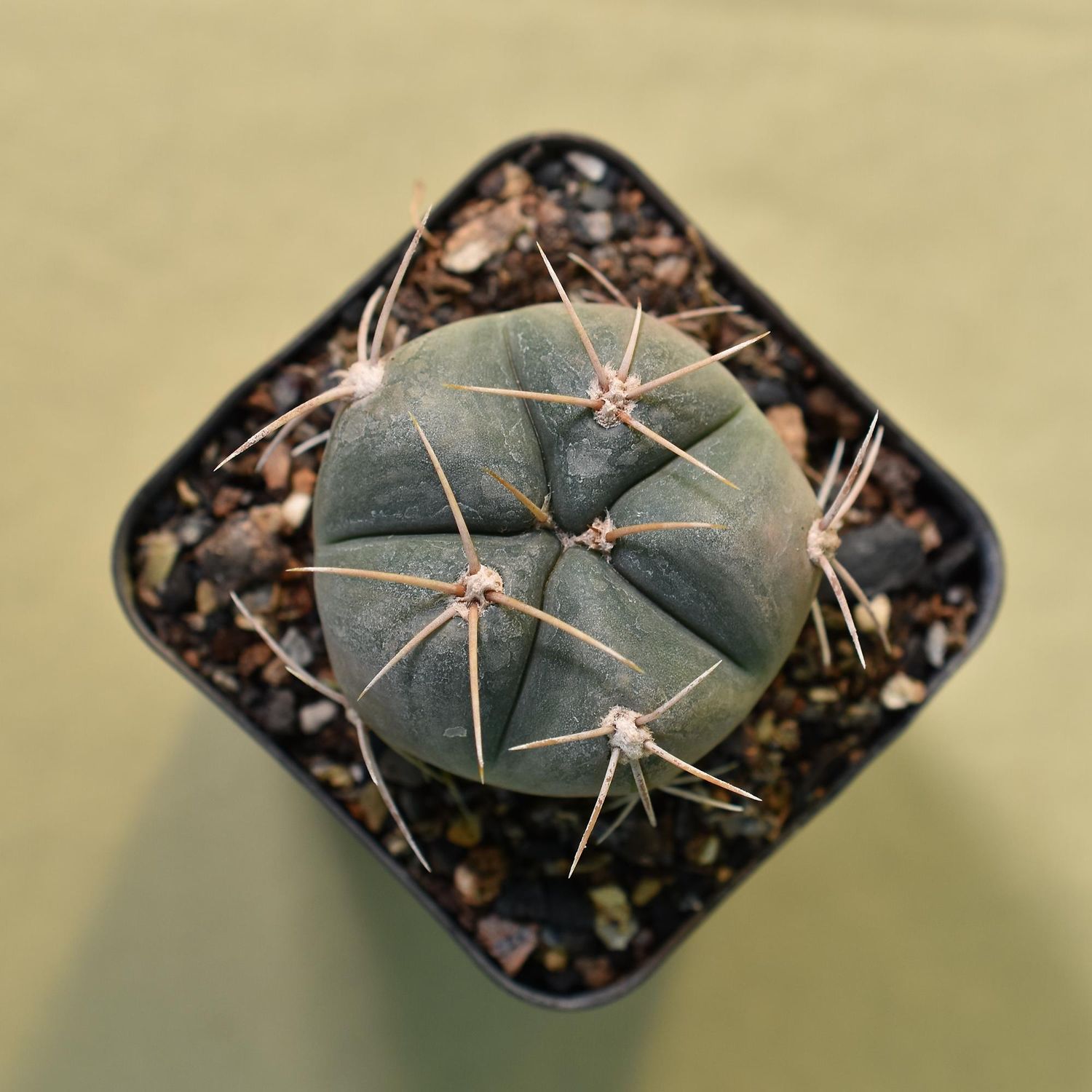
Gymnocalycium horstii
Product Details
The Minimalist Marvel: Gymnocalycium horstii
An iconic collector’s staple prized for its distinctively smooth, globular form and deep emerald luster.
- Origin & History of Name: The genus name Gymnocalycium is derived from the Greek gymnos (naked) and kalyx (bud), referring to the flower buds that lack hair or spines.
This specific species was named in honor of Leopoldo Horst, a prolific German-Brazilian plant collector who discovered many South American succulents during the mid-20th century. - Morphology: This cactus is known for its globose (spherical) shape and a smooth, shiny epidermis.
Unlike many cacti, it features a limited number of wide, rounded costae (ribs), typically 5 or 6, which give it a "puffy" appearance. The areoles are recessed and hold curved, cream-colored spines that lay flat against the body, making it relatively friendly to handle compared to more aggressive species. - Habitat & Origin: Gymnocalycium horstii is a wild species native to the grasslands of Rio Grande do Sul, Brazil. While it is widely cultivated globally, wild populations are localized and sensitive. Our specimens are nursery-grown from seed to ensure the protection of wild habitats and promote sustainable trade within the hobby.
- Cultivation Profile:
- Substrate: Use a highly porous, mineral-based mix (60% inorganic materials like pumice, perlite, or crushed brick and 40% organic compost). Avoid standard garden soil.
- Light: Thrives in bright, indirect light.
In the Indian subcontinent, protect from harsh afternoon sun (12 PM – 4 PM) to prevent "sunscald" on the epidermis; a green shade net (50%) is ideal. - Water/Dormancy: Water deeply when the substrate is completely dry during the growing season (March–October). In the Indian winter or monsoon, reduce watering significantly to induce dormancy and prevent root rot in high humidity.
- Scientific/Historical Anecdote: While the standard G. horstii is famous for its green hue, it is the parent of some of the most famous variegated cultivars in the world. Collectors in Japan and Thailand spent decades selectively breeding this species to produce "Bicolor" or "Nishiki" versions, where the epidermis exhibits striking streaks of neon yellow, orange, and red due to a lack of chlorophyll in certain sectors.
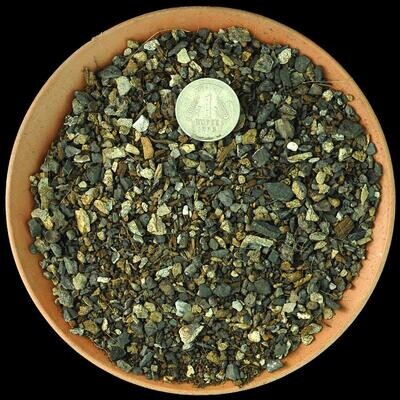
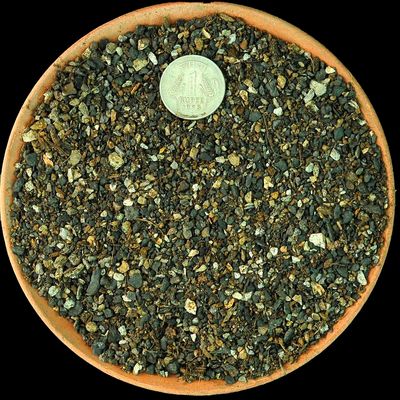
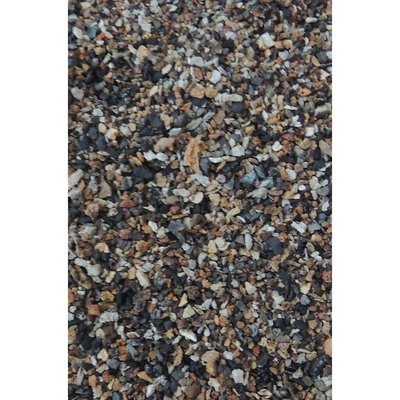
Cactus & Succulent Planting Mix FINE (aka Cactus Soil Mix or Succulent Soil Mix)
Cactus & Succulent Planting Mix FINE (aka Cactus Soil Mix or Succulent Soil Mix)
Fine-Grain Potting Mix for Cactus & Succulent Roots
SKU MNS001
₹39.85
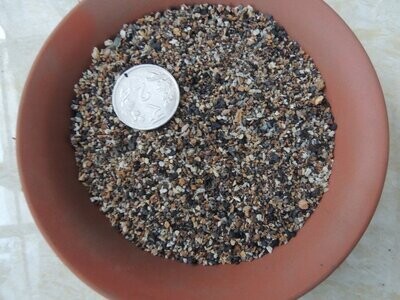
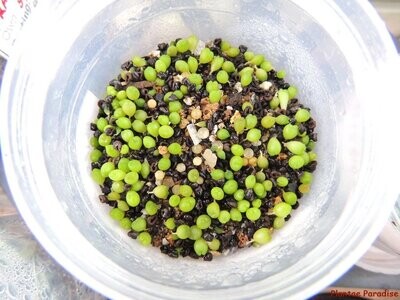
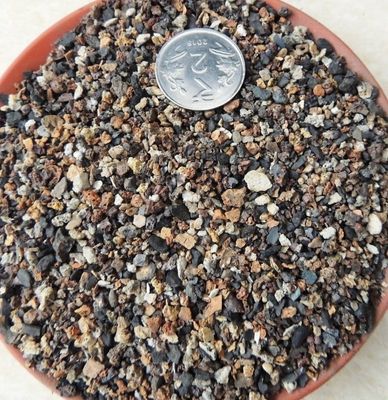
Cactus Seed Planting Mix
Cactus Seed Planting Mix
Sterile, Fine-Grain Media for Cactus & Succulent Seeds
SKU MNS005
₹74.85