Gymnocalycium hybopleurum Var. Ferocius
Product Details
Armored Elegance: Gymnocalycium hybopleurum var. ferocius
A formidable collector's piece defined by its unusually stout, curved spines and architectural symmetry.
- Origin & History of Name: The genus name Gymnocalycium is derived from the Greek gymnos (naked) and kalyx (bud), referring to the flower buds that lack hair or spines.
- Morphology: This solitary cactus features a globose (spherical) epidermis that is typically grey-green to glaucous. It is distinguished by its prominent costae (ribs) divided into "chins" or tubercles.
- Habitat & Origin: This is a naturally occurring variety found primarily in the rocky, arid regions of Argentina (specifically Córdoba and San Luis). Our specimens are ethically nursery-grown from seed to ensure the protection of wild populations and long-term sustainability for the hobby.
- Cultivation Profile:
- Substrate: A strictly mineral-based mix (70% grit/pumice/perlite, 30% organic matter). Avoid standard garden soil which retains too much moisture in humid Indian climates.
- Light: Bright, indirect sunlight. In India, provide 40-50% shade during peak summer afternoons (March–June) to prevent epidermal scorching.
- Water/Dormancy: Water deeply only when the medium is bone-dry. During the monsoon, withhold water entirely if humidity is high. In winter, enter a dry dormancy period to encourage spring flowering.
- Scientific/Historical Anecdote: Gymnocalycium was first described by Ludwig Pfeiffer in 1844. A unique biological trait of this genus is that the seeds are often distributed by ants (myrmecochory); the seeds possess an elaiosome—a fleshy, nutrient-rich attachment—that encourages ants to carry them to their nests, providing a perfect, protected environment for germination.
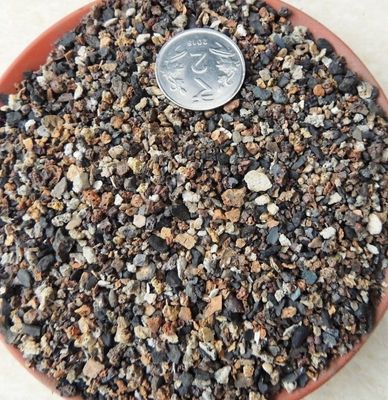
Cactus & Succulent Planting Mix FINE (aka Cactus Soil Mix or Succulent Soil Mix)
Cactus & Succulent Planting Mix FINE (aka Cactus Soil Mix or Succulent Soil Mix)
Fine-Grain Potting Mix for Cactus & Succulent Roots
SKU MNS001
₹33.74