

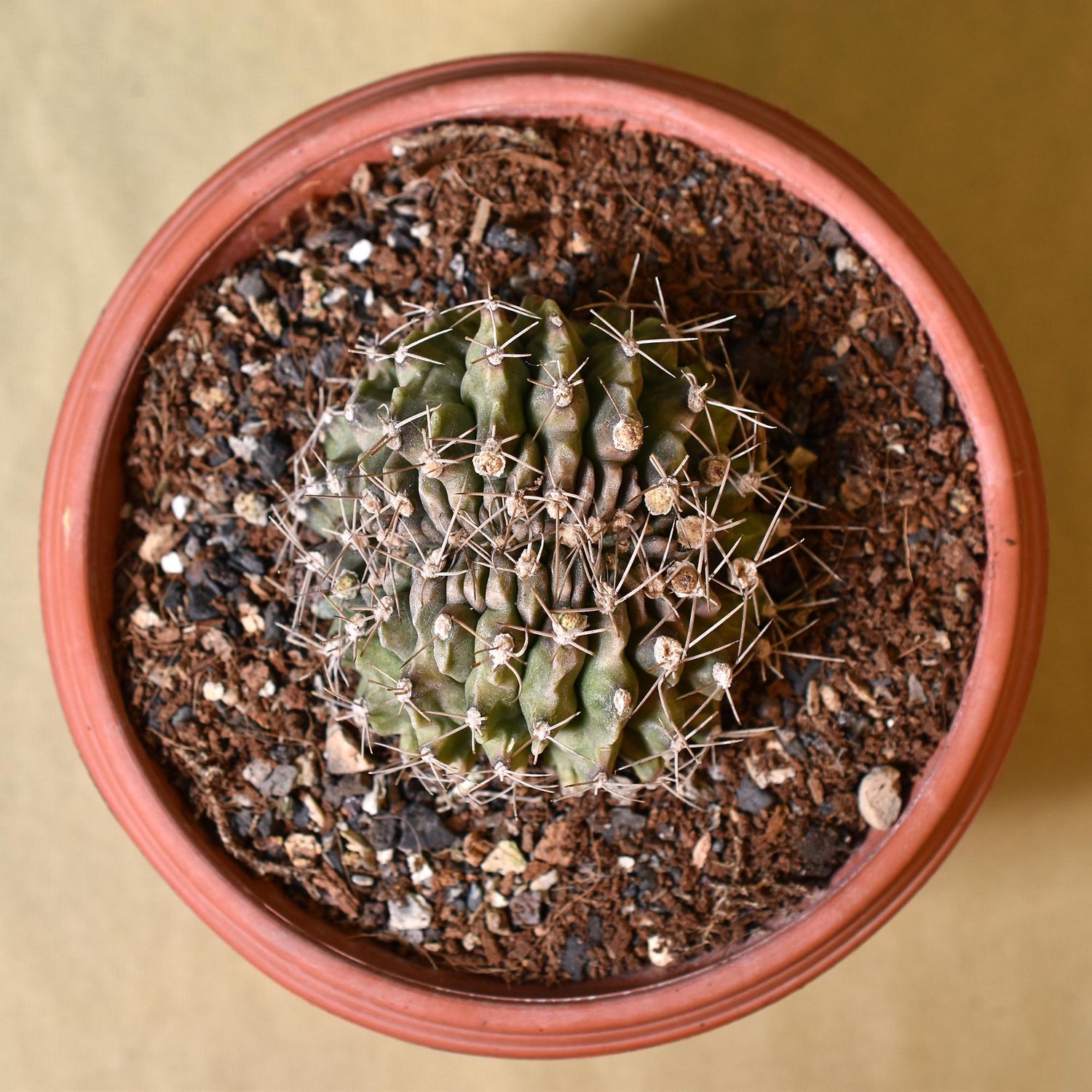
Gymnocalycium mihanovichii f. crest
Product Details
Sculptural Rarity: Gymnocalycium mihanovichii f. cristata
A mesmerizing living sculpture, this crested mutation transforms a classic species into a one-of-a-kind botanical masterpiece.
- Origin & History of Name: The genus name Gymnocalycium is derived from the Greek gymnos (naked) and kalyx (bud), referring to the flower buds that lack hair or spines.
The species honors Alberto Vojtěch Frič, a Czech botanist who named it after his supporter, Nicolás Mihanovich, in the early 20th century. The "f. crest." (forma cristata) indicates a fasciated growth habit where the apical meristem elongates into a ridge rather than a single point. - Morphology: This specimen exhibits a unique fan-like growth pattern known as cresting.
Instead of a typical globular body, the epidermis expands along a linear axis, creating intricate folds and undulating costae (ribs). The plant often displays a deep olive-green to reddish-purple hue, punctuated by small, felted areoles that follow the winding curves of the crest. - Habitat & Origin: While the base species Gymnocalycium mihanovichii is native to the Chaco regions of Paraguay and Argentina, the crested form is a cultivar arising from a rare genetic mutation. These are primarily produced in specialized nurseries through careful selection or grafting. This plant is a sustainable choice for collectors as it is nursery-propagated, preventing the poaching of wild populations.
- Cultivation Profile:
- Substrate: Use a strictly mineral-based mix (60% grit/pumice, 40% organic matter) to ensure rapid drainage, essential for preventing root rot in humid Indian climates.
- Light: Thrives in bright, indirect light.
In India, protect from harsh afternoon sun (especially during April–June) to avoid scorching the delicate epidermis; a 50% shade cloth is ideal. - Water/Dormancy: Water thoroughly when the substrate is completely dry. During the monsoon, reduce watering significantly due to high ambient humidity. In winter, enter a period of dry dormancy with minimal to no water to mimic its natural cycle.
- Scientific/Historical Anecdote: The Gymnocalycium mihanovichii lineage is most famous for producing the "Moon Cactus." In 1941, Japanese cultivators discovered a total mutant that lacked chlorophyll (turning it bright red). Because it couldn't photosynthesize, it had to be grafted onto a Hylocereus cactus to survive—a breakthrough that popularized grafted cacti worldwide.
New


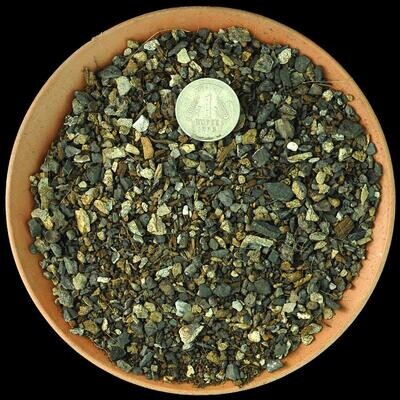
Monsoon Guardian Kit (5 in 1)
Monsoon Guardian Kit (5 in 1)
Complete 5-in-1 biological protection kit for cacti & succulents
SKU MNS024
₹850.00
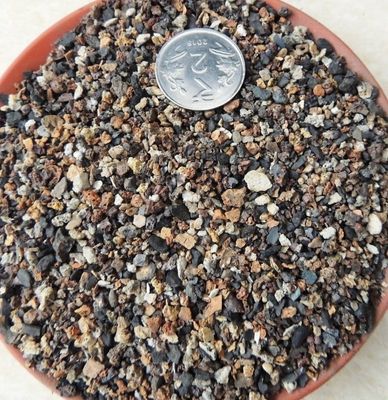
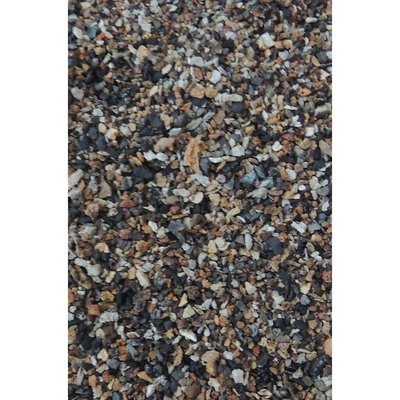
Cactus & Succulent Planting Mix FINE (aka Cactus Soil Mix or Succulent Soil Mix)
Cactus & Succulent Planting Mix FINE (aka Cactus Soil Mix or Succulent Soil Mix)
Fine-Grain Potting Mix for Cactus & Succulent Roots
SKU MNS001
₹39.85
Cactus Seed Planting Mix
Cactus Seed Planting Mix
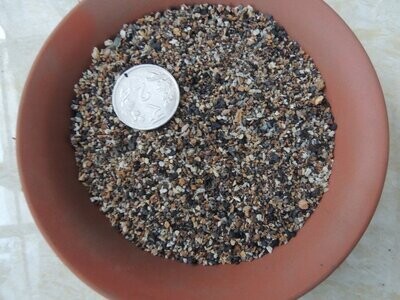
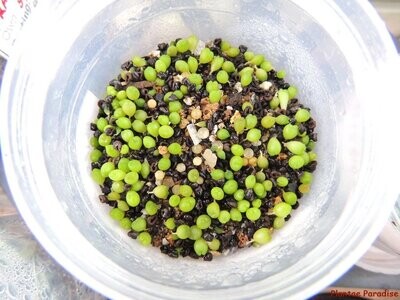
Sterile, Fine-Grain Media for Cactus & Succulent Seeds
SKU MNS005
₹74.85