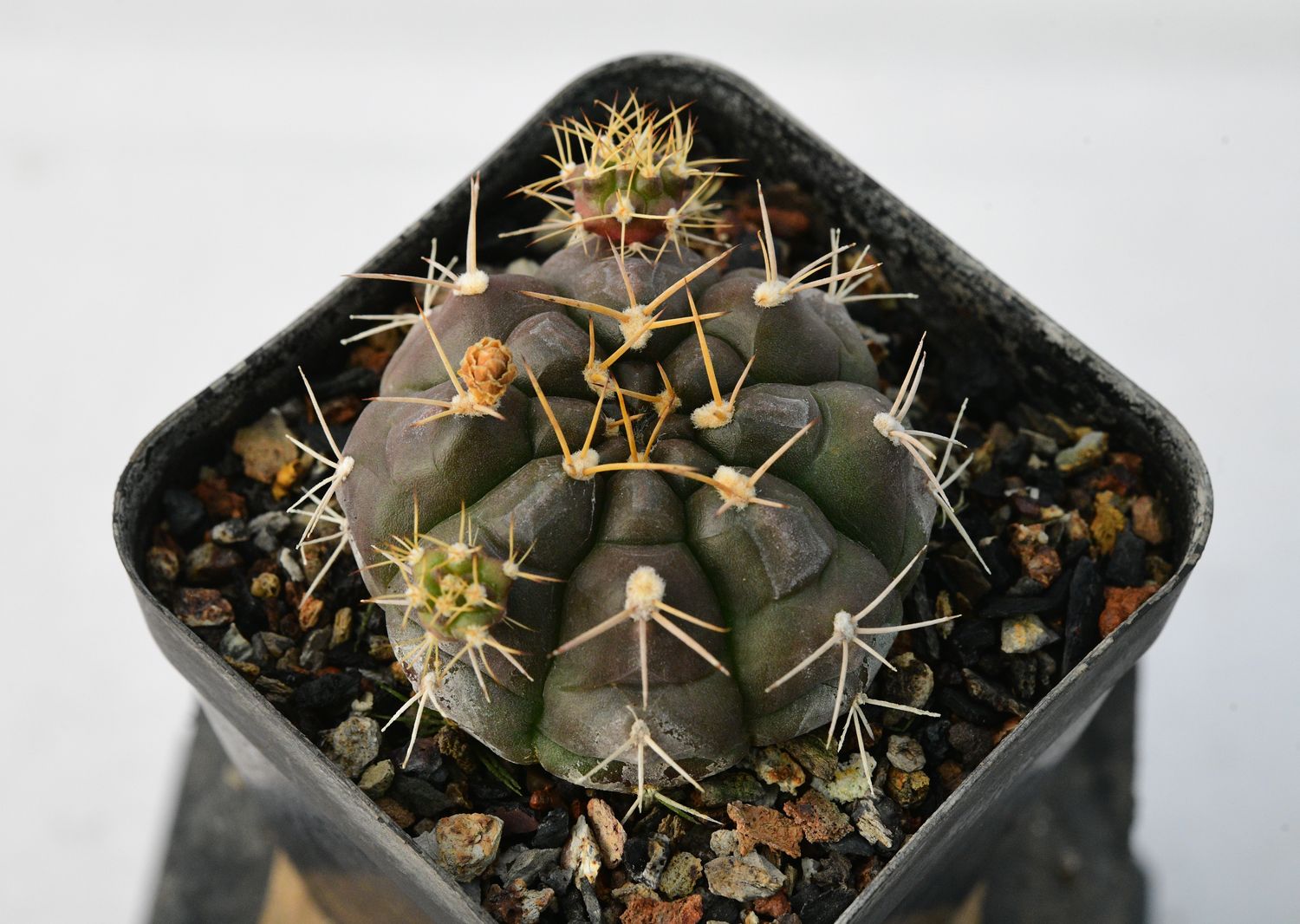
The Prolific Gem: Gymnocalycium mihanovichii var. proliferum
An architecturally striking specimen valued for its deep, bronzed epidermis and ability to rapidly form impressive, sculptural clusters.
1. Origin & History of Name The genus name Gymnocalycium derives from the Greek gymnos (naked) and kalyx (calyx), referring to the flower buds which—unlike other cacti—are completely devoid of hair or spines.
2. Morphology This variety presents a flattened-globular stem characterized by a rugose (wrinkled) epidermis that ranges from olive-green to a stress-induced reddish-purple. It typically features 8 prominent, acute costae (ribs) marked by transverse bands. The areoles bear short, curved, acicular radial spines that are generally pale gray or yellow. True to its name, mature specimens develop multiple basal offsets, creating a dense, multi-headed mound ideal for shallow staging.
3. Habitat & Origin The species G. mihanovichii is native to the Gran Chaco region spanning Paraguay and Argentina, where it grows under the protection of scrub bushes.
4. Cultivation Profile
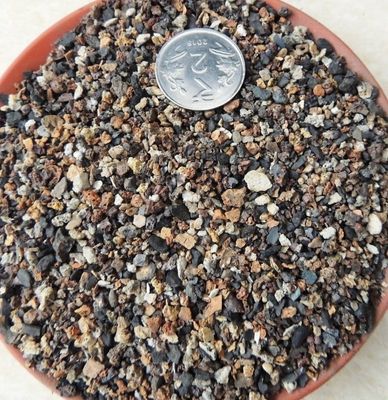
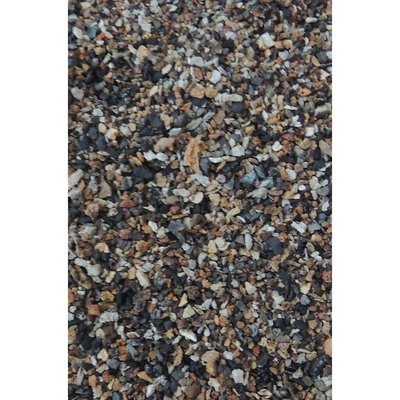
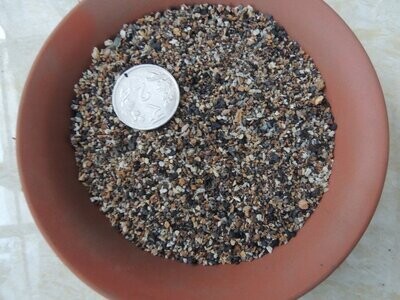
- Substrate: Requires a high-drainage, mineral-heavy mix. A ratio of 70% inorganic (pumice, perlite, lava rock, or coarse river sand) to 30% organic (leaf mould or coco-peat) is ideal to prevent root rot in humid Indian climates.
- Light: Prefers bright, filtered sunlight.
In the Indian summer, protect from direct scorching noon sun (12 PM–4 PM), which can bleach the epidermis. A green net (50% shade) or morning sun exposure is optimal. - Water & Dormancy: Water thoroughly only when the substrate is completely dry. Reduce watering significantly during the Indian Monsoon to avoid fungal issues. In winter (November–February), keep the plant relatively dry to induce a semi-dormancy period, which promotes flowering in spring.
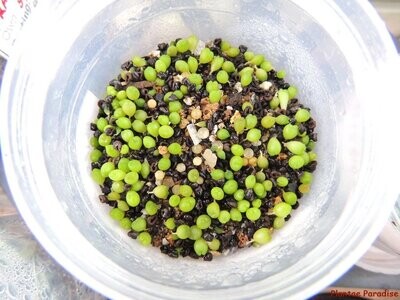
5. Scientific Anecdote Gymnocalycium mihanovichii holds a unique place in horticultural history as the genetic parent of the famous "Moon Cactus" (Hibotan). In 1941, Japanese nurseryman Eiji Watanabe discovered a mutation lacking chlorophyll within a batch of G. mihanovichii seedlings. While those mutants require grafting to survive, the var. proliferum retains its chlorophyll, allowing it to grow robustly on its own roots while displaying the species' characteristic dark pigmentation.