Gymnocalycium pflanzii: The Pflanzy's Gymnocalycium
Origin of Name
The genus name "Gymnocalycium" is derived from the Greek words “gymnos,” meaning "naked," and “kalyx,” meaning "calyx," which refers to the flower's naked appearance without visible spines. The species name "pflanzii" honors Franz Pflanz, a notable cactus collector and enthusiast, in recognition of his contributions to the study of cacti.
Origin of Plant
Gymnocalycium pflanzii is native to Argentina, particularly found in the central regions of the country such as the provinces of Córdoba, La Rioja, and San Luis. It typically inhabits rocky outcrops and arid grasslands, where it grows in well-drained soil, adapting to the dry conditions and fluctuating temperatures characteristic of its natural habitat.
Description
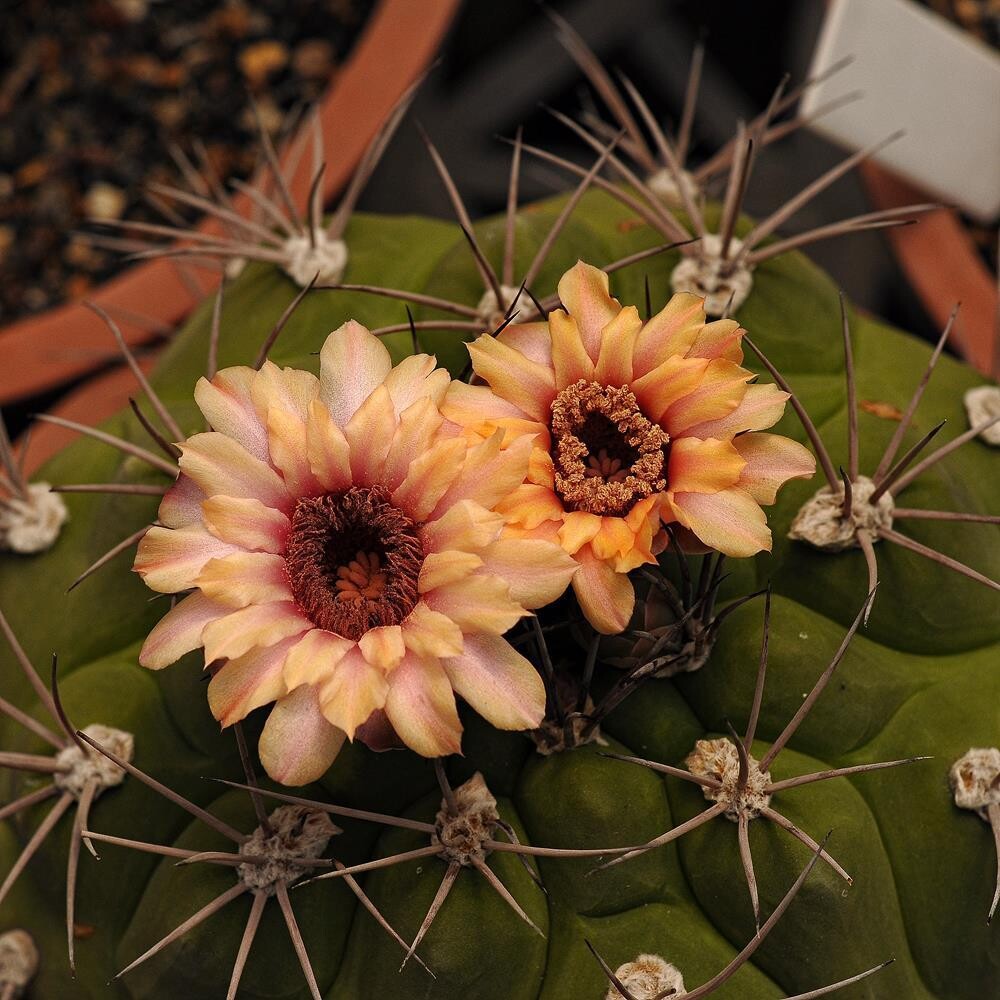
Gymnocalycium pflanzii is a small, globular cactus that usually reaches a height of about 8 to 15 centimeters (3 to 6 inches) and a diameter of 10 to 12 centimeters (4 to 5 inches). The cactus features green to grayish-green skin that is covered with prominent warty tubercles. It has a moderate number of short, fine spines that give it a soft appearance. In spring and early summer, Gymnocalycium pflanzii produces stunning funnel-shaped flowers that can range in color from white to pale pink, often with dark pink or reddish hues near the center. The flowers usually bloom from the apex of the plant, creating an eye-catching display.
Conservation Status
Currently, Gymnocalycium pflanzii is not classified as endangered; however, it may face threats from habitat loss due to agricultural expansion and over-collection for ornamental purposes. Conservation efforts focusing on habitat protection and sustainable collection practices are crucial to ensure the long-term survival of this species in the wild.
Care
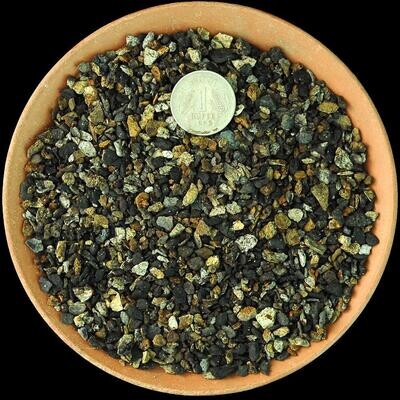
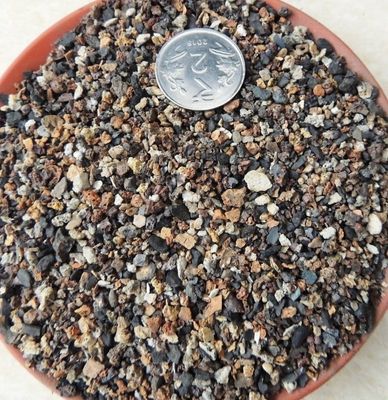
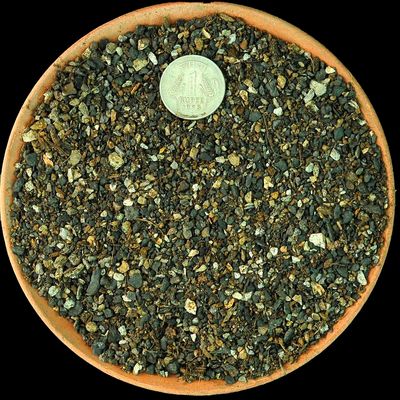
Caring for Gymnocalycium pflanzii involves mimicking the conditions of its native environment. Use a well-draining cactus soil mix that includes sand, perlite, or pumice to promote good drainage. Place the cactus in an area with bright, indirect sunlight, as it can tolerate some direct afternoon sun but may need shade during the hottest part of the day. Water moderately during the growing season (spring and summer), allowing the soil to dry completely between waterings. During the winter months, reduce watering significantly since the cactus enters dormancy and requires less moisture. Fertilize lightly with a diluted cactus-specific fertilizer during the active growth period to support blooming. Regularly inspect for pests such as mealybugs and scale insects to maintain the health and vitality of your Gymnocalycium pflanzii, making it a delightful addition to any succulent collection.