Radiant Rarity: Gymnocalycium proliferum f. variegata
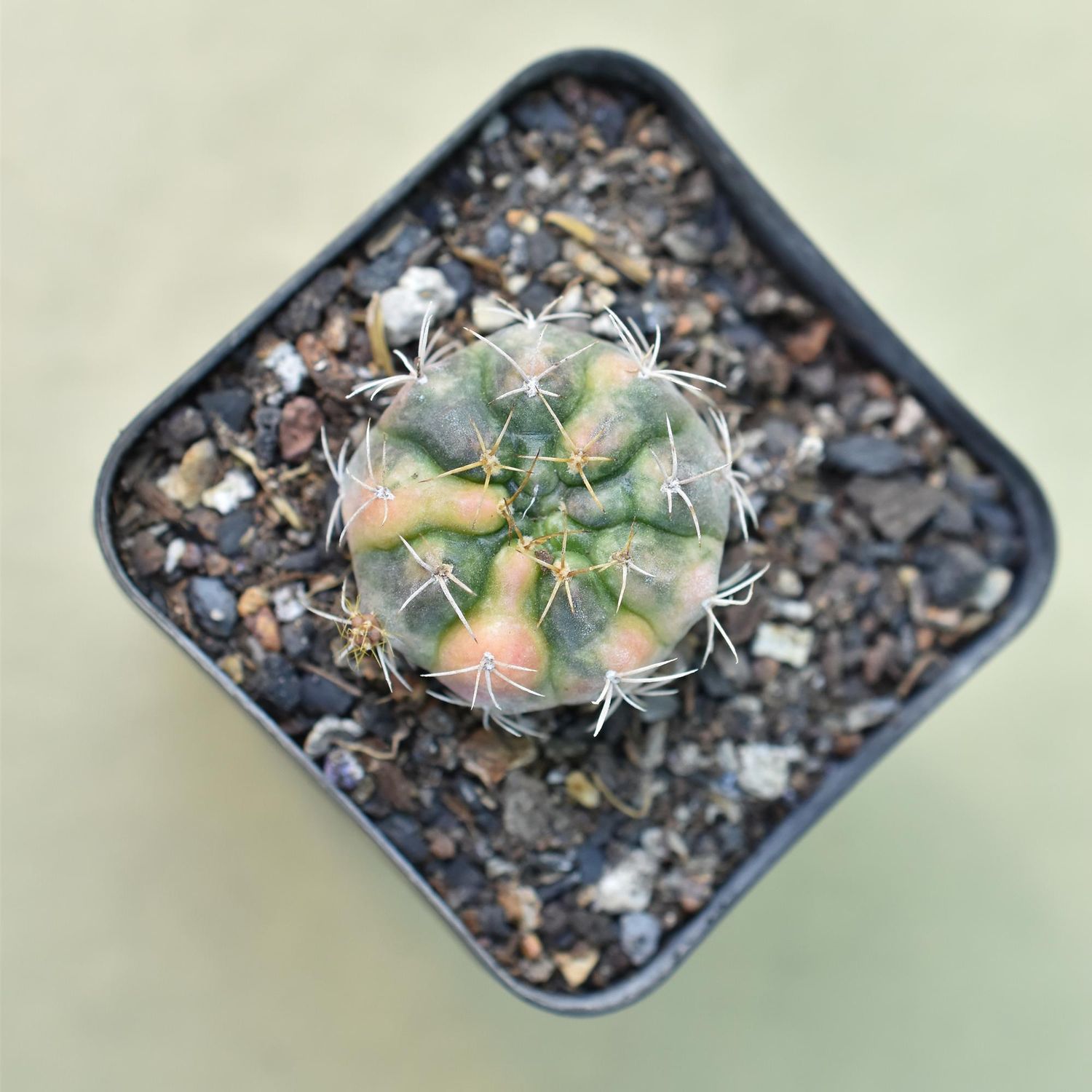
A masterpiece of living geometry, this highly sought-after variegated specimen offers a striking contrast of golden pigments against structural emerald ribs.
1. Origin & History of Name
The genus name Gymnocalycium is derived from the Greek gymnos (naked) and kalyx (bud), referencing the hairless floral tubes characteristic of the genus.
2. Morphology
This globose cactus features a distinct epidermis characterized by sectors of chlorophyll-deficient variegation, ranging from creamy yellow to vivid orange. The plant body is divided into 10–12 rounded costae (ribs) that are notched into tubercles. Unlike many cacti, its areoles produce soft, curved spines that do not obscure the stem. Its "proliferous" nature means it eventually forms a dense, multi-headed cluster, with each offset inheriting unique variegation patterns.
3. Habitat & Origin
While the base species G. proliferum is native to the rocky outcrops of Córdoba, Argentina, the variegated form is a cultivar refined in specialized nurseries. These specimens are produced through sustainable vegetative propagation (offset removal) or grafting to preserve the specific color mutation, ensuring no impact on wild populations.
4. Cultivation Profile
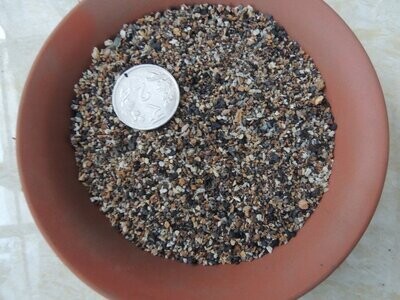
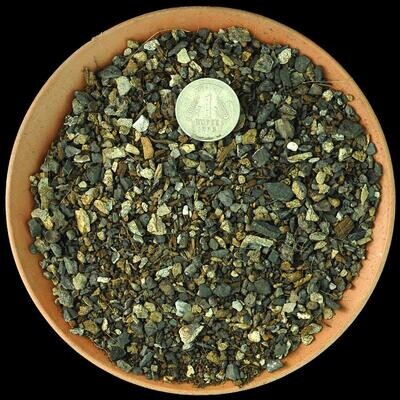
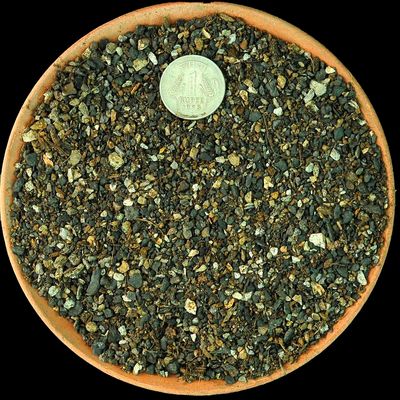
- Substrate: Use a strictly mineral-based mix (70% grit/pumice/perlite, 30% organic matter). In the Indian context, avoid heavy garden soil which retains too much moisture during monsoons.
- Light: Bright, indirect sunlight is essential. In India’s tropical summers, provide 50% shade cloth protection to prevent the sensitive variegated tissue from scorching.
- Water/Dormancy: Follow a "soak and dry" method. Reduce watering significantly during the humid monsoon and winter months to respect its natural dormancy and prevent root rot.
5. Scientific/Historical Anecdote
The genus Gymnocalycium was first described by Ludwig Pfeiffer in 1844. It is often referred to as the "Chin Cactus" because the tubercles under the areoles resemble human chins. Interestingly, variegated Gymnocalycium became a global phenomenon in the mid-20th century after Japanese horticulturists mastered the art of "color breeding," transforming these structural plants into the high-contrast collector items seen today.