Gymnocalycium saglionis: The Saglion's Gymnocalycium
Origin of Name
The genus name "Gymnocalycium" is derived from the Greek words “gymnos,” meaning “naked,” and “kalyx,” meaning “calyx,” which refers to the naked appearance of the flower without spines. The species name "saglionis" is named in honor of Dr. Hugo Saglion, a prominent argentine botanist, recognizing his contributions to the study and classification of cacti.
Origin of Plant
Gymnocalycium saglionis is native to Argentina, particularly found in the northwestern regions, including provinces such as Córdoba and San Luis. It typically grows in rocky, arid environments, adapting to well-draining soils found in its natural habitat, where conditions can vary with high temperatures and low rainfall.
Description
Gymnocalycium saglionis is a small, globular cactus, typically reaching a height of 8 to 12 centimeters (3 to 5 inches) and a diameter of 10 to 15 centimeters (4 to 6 inches). It features a smooth, green body that may have a light grayish or bluish hue. The surface is adorned with prominent, rounded tubercles, and the cactus has few, short spines which can appear white to pale yellow. In late spring to early summer, Gymnocalycium saglionis produces beautiful flowers that range in color from light pink to white, often displaying darker mid-stripes or patterns. The flowers bloom from the apex, creating a striking sight when in full bloom.
Conservation Status
Currently, Gymnocalycium saglionis is not classified as endangered. However, like many cacti, it may face threats from habitat destruction, agricultural encroachment, and over-collection for commercial purposes. Promoting conservation efforts that focus on habitat protection and sustainable practices is essential to safeguard this species in its natural environment.
Care
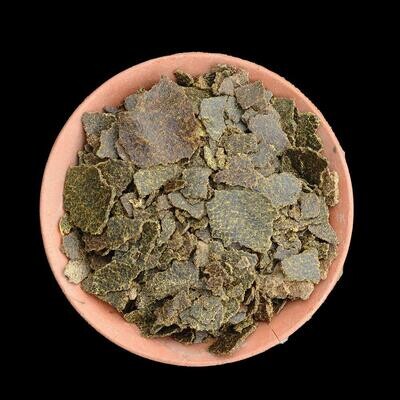
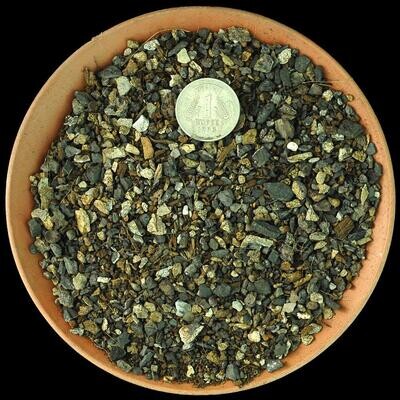
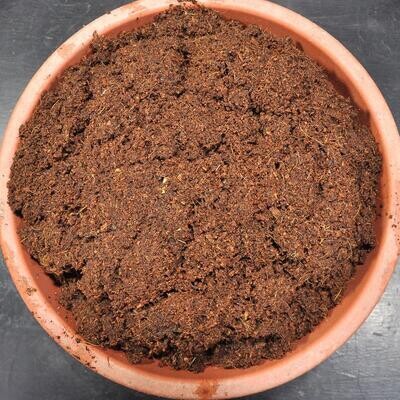
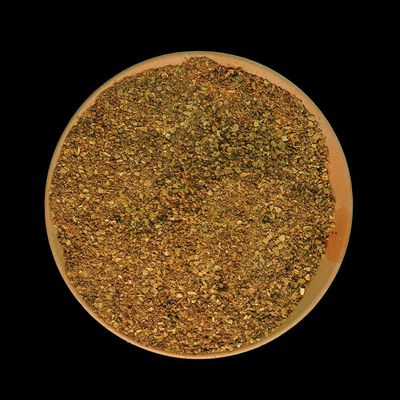
Caring for Gymnocalycium saglionis involves providing conditions similar to its natural habitat. Use a well-draining cactus mix that includes sand, perlite, or pumice to ensure proper drainage. Place the cactus in a location that receives plenty of bright, indirect sunlight and some direct sunlight, but avoid intense afternoon rays that might scorch its skin. Water moderately during the growing season (spring and summer), allowing the soil to dry out completely between waterings. During the winter months, reduce watering significantly, as the cactus enters dormancy and requires much less moisture. Fertilize sparingly with a diluted cactus fertilizer during the growing season to promote healthy growth and flowering. Regularly inspect for pests, such as mealybugs and spider mites, to maintain the overall health of your Gymnocalycium saglionis, making it a lovely and unique addition to any succulent collection.