Seed grown plants .
Origin of Name:
Gymnocalycium valniceckianum, also known by its synonym Gymnocalycium mostii, honors the work of Czech botanist and cactus specialist Dr. Antonín Valnicek, recognizing his contributions to the study of South American cacti. The name 'Gymnocalycium' derives from Greek, meaning 'naked calyx,' which refers to the smooth, unarmed floral buds typical of this genus. The species name 'valniceckianum' pays tribute to Valnicek, while the synonym 'mostii' references the early botanist Mosti, who contributed to its initial identification. The plant is sometimes colloquially called 'El Zapato' (The Shoe) from its distinctive shape, and it is associated with the Córdoba region of Argentina, where it was first collected.
Origin of Plant:
This species is native to the arid, rocky landscapes of Córdoba Province in central Argentina, particularly around the area of El Zapato. It thrives on rocky slopes and dry plains, adapting well to the extreme desert conditions. Discovered during botanical expeditions in the early 20th century, Gymnocalycium valniceckianum is prized for its unique shape and resilience, and it has become a popular collector's item worldwide.
Description:
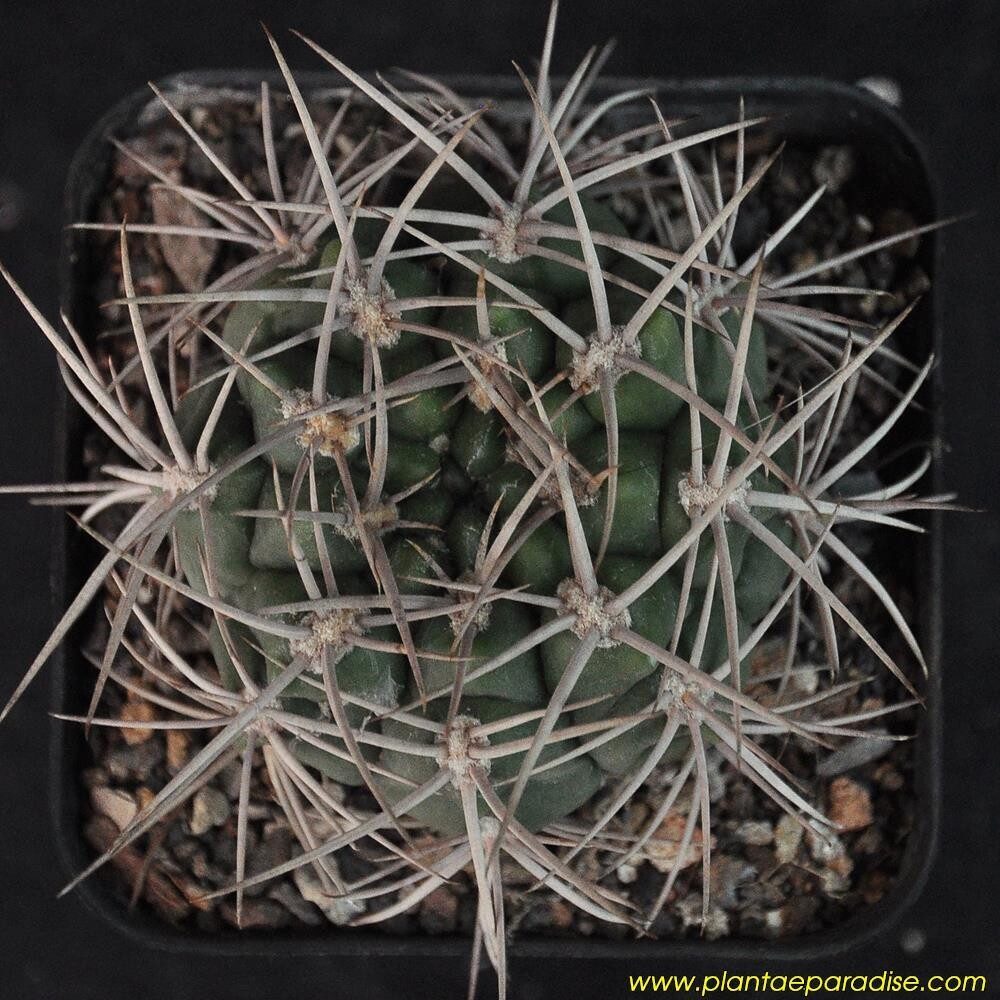
Gymnocalycium valniceckianum (or Mosti) is a small, globular cactus typically growing up to 3 inches tall and wide. Its body has a distinct, rounded, shoe-like shape—hence the nickname 'El Zapato.' The surface is usually bluish-green with slight tubercles and is covered with a fine, white or grayish fuzzy coating. It produces solitary, large, funnel-shaped flowers in shades of deep red, pink, or purple during spring and early summer, with a striking contrast against its body. The plant’s unique shape, coupled with its vibrant blooms, makes it a highly collectible and ornamental species.
Conservation Status:
While widely cultivated, Gymnocalycium valniceckianum is not currently listed as endangered. However, habitat loss and over-collecting threaten wild populations. Conservation efforts focus on responsible cultivation, propagation in nurseries, and habitat preservation to ensure this charming species’ long-term survival in the wild.
Care:
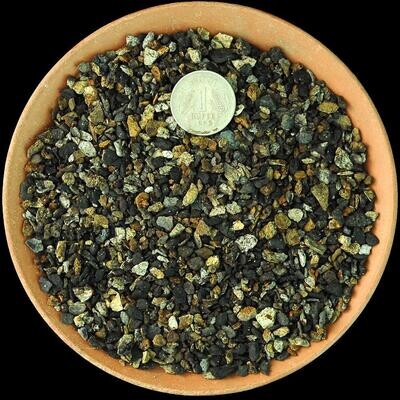
This cactus is low-maintenance and suitable for beginners. It prefers bright, indirect sunlight but can tolerate some direct morning sun. Use a well-draining cactus or succulent soil to prevent excess moisture around the roots. Water sparingly—allow the soil to dry out completely between waterings—and cut back during winter to reduce watering. It prefers warm temperatures between 60°F and 80°F and must be protected from frost. Fertilize lightly during the active growing season with a diluted cactus fertilizer to encourage healthy growth and flowering. With proper care, this distinctive species will reward you with its charming shape and vibrant flowers, adding a unique touch to any cactus collection.