

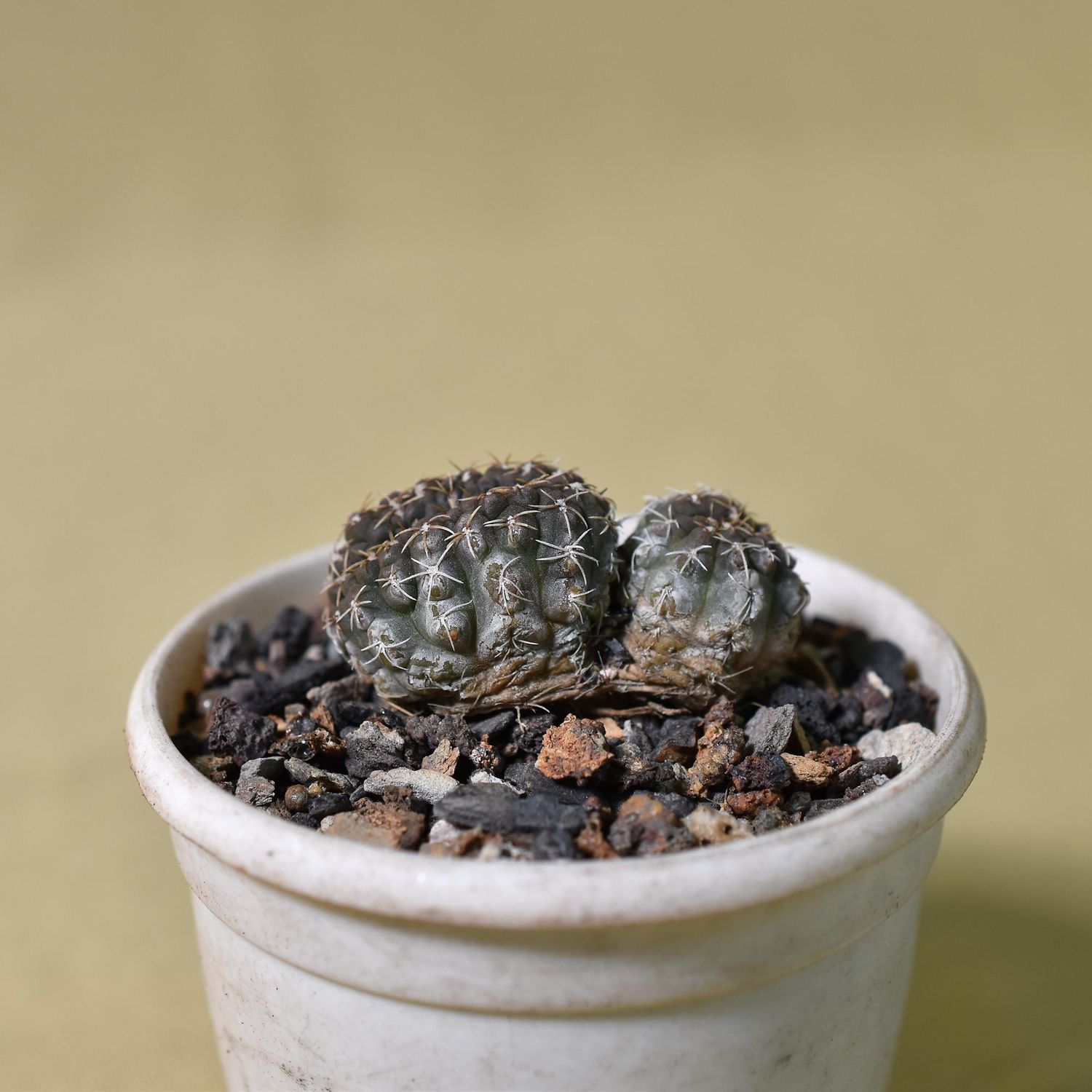
Gymnocalycium vatteri crest
Product Details
Sculptural Rarity: Gymnocalycium vatteri cristata
A prized architectural marvel, this crested form transforms a classic cactus into a one-of-a-kind living sculpture for the serious collector.
- Origin & History of Name: The genus name Gymnocalycium is derived from the Greek gymnos (naked) and kalyx (bud), referring to the flower buds that lack hair or spines.
The species name honors Carlos Vatter, a Swiss-born cactus enthusiast and collector who discovered many specimens in Argentina during the mid-20th century. The "crest" (cristata) designation indicates a fasciation mutation where the growth point expands into a fan-like shape rather than a single cylinder. - Morphology: This specimen exhibits a distinct fan-shaped growth habit known as fasciation.
Its epidermis is a matte, olive-to-greyish green, featuring undulating costae (ribs) that form tight, brain-like folds. Unlike the standard globular form, the crest produces short, dark, recurved spines along the entire leading edge of the fan. - Habitat & Origin: While the base species G. vatteri is native to the rocky outcrops of Córdoba, Argentina, the crested form is a cultivar—a rare genetic mutation selected and propagated in nurseries.
Our specimens are ethically nursery-grown through grafting or cuttings, ensuring no impact on wild populations. - Cultivation Profile:
- Substrate: Use a strictly mineral-based mix (70% grit/pumice/perlite, 30% organic matter) to prevent root rot in humid Indian climates.
- Light: Bright, indirect sunlight. In India, provide 40-50% shade cloth during peak summer (April–June) to prevent epidermal scorching.
- Water/Dormancy: Water deeply only when the medium is bone-dry. Reduce watering significantly during the winter "rest" period (November–February) and avoid overhead misting during the monsoon to prevent fungal issues in the folds.
- Scientific/Historical Anecdote: Gymnocalycium vatteri is unique among its peers for its extreme variability in spination; in the wild, plants found just meters apart can range from having a single spine to three or more. This genetic "restlessness" is likely what makes the species more prone to producing the sought-after crested mutations found in private collections today.
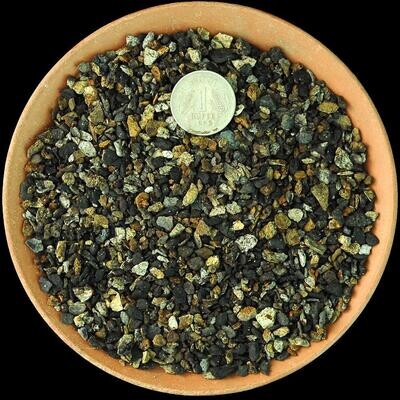
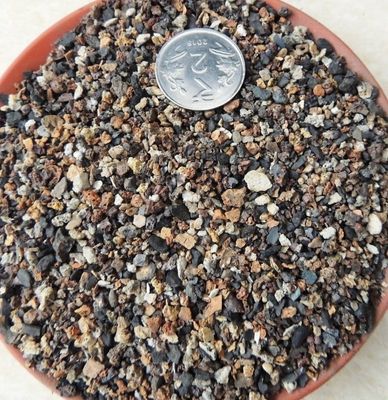
Cactus & Succulent Planting Mix COARSE (aka Cactus Soil Mix or Succulent Soil Mix)
Cactus & Succulent Planting Mix COARSE (aka Cactus Soil Mix or Succulent Soil Mix)
Washed, Free-Draining Mineral Mix for Cactus & Succulents
SKU MNS003
₹44.85
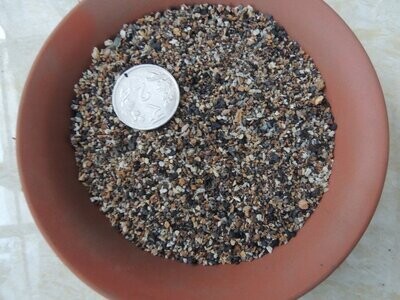
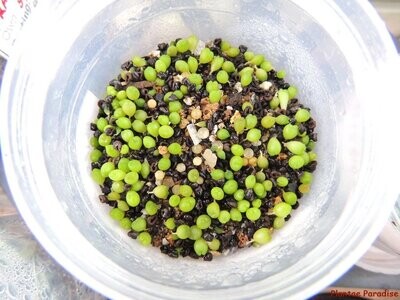
Cactus Seed Planting Mix
Cactus Seed Planting Mix
Sterile, Fine-Grain Media for Cactus & Succulent Seeds
SKU MNS005
₹74.85
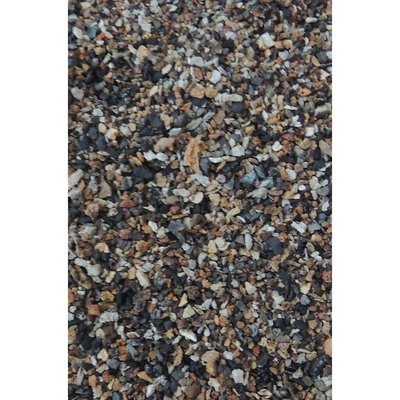
Cactus & Succulent Planting Mix FINE (aka Cactus Soil Mix or Succulent Soil Mix)
Cactus & Succulent Planting Mix FINE (aka Cactus Soil Mix or Succulent Soil Mix)
Fine-Grain Potting Mix for Cactus & Succulent Roots
SKU MNS001
₹39.85
New


Monsoon Guardian Kit (5 in 1)
Monsoon Guardian Kit (5 in 1)
Complete 5-in-1 biological protection kit for cacti & succulents
SKU MNS024
₹850.00