Living Art in Geometry: Gymnocalycium vatteri Variegated
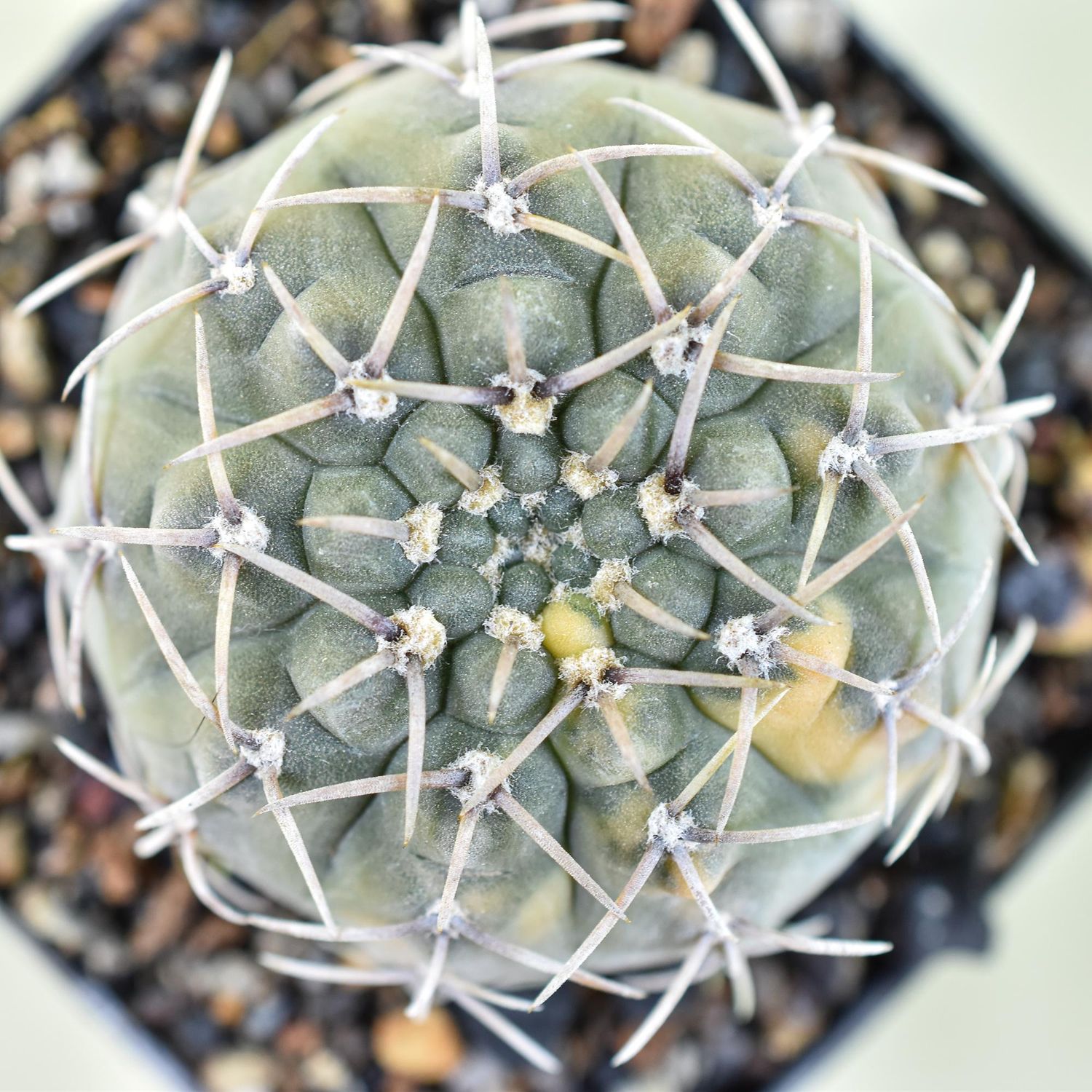
A highly collectible cultivar distinguished by its unique single-spine formation and striking, irregular mosaics of chlorophyll-free tissue against a slate-grey epidermis.
1. Origin & History of Name The genus name Gymnocalycium is derived from the Ancient Greek gymnos (naked) and kalyx (calyx), referring to the flower buds which lack the bristles, spines, or wool common to other cactus genera.
2. Morphology This species is characterized by a flattened-globose body with a velvety, glaucous epidermis ranging from olive-green to ochre. This variegated form exhibits a genetic mutation resulting in sectors of yellow, orange, or red tissue where chlorophyll is absent. It is noted for its distinct, flattened ribs and areoles that typically produce only one to three stout, downward-curving spines (often referred to as the "single spine" form), giving it a minimal, geometric aesthetic.
3. Habitat & Origin While the standard Gymnocalycium vatteri is endemic to the Cordoba province of Argentina (approx. 1000m altitude), this variegated variety is a horticultural cultivar. It does not occur naturally in the wild and is propagated exclusively in controlled nursery environments through vegetative offsets or grafting to preserve the variegation. These specimens are sustainably sourced ex-situ propagations.
4. Cultivation Profile
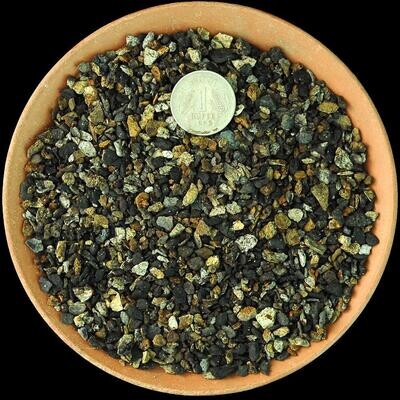
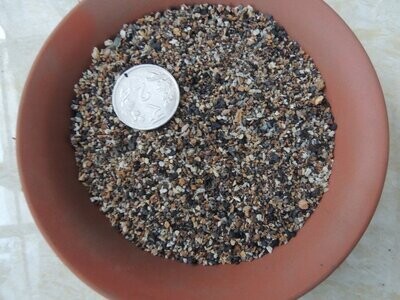
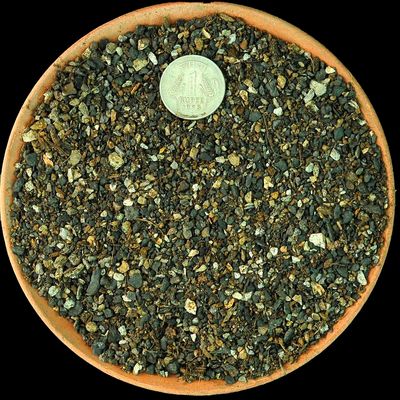
- Substrate: Use a highly porous, mineral-heavy mix (70% pumice, perlite, or gravel; 30% screened leaf mould or cocopeat). Avoid heavy garden soil to prevent root rot in humid Indian conditions.
- Light: Requires bright, filtered light.
- Water & Dormancy: Water thoroughly when the substrate is completely dry during the growing season (March–October). Reduce watering significantly during the monsoon if humidity is high to avoid fungal issues. Keep the plant strictly dry during the winter dormancy (November–February) to induce flowering.
5. Scientific/Historical Anecdote The genus Gymnocalycium was established by Ludwig Pfeiffer in 1845, distinguishing it from Echinocactus specifically because of the "naked" flower buds. This morphological trait—smooth, scale-bearing floral tubes without hair or spines—remains the primary diagnostic feature used by taxonomists to identify the genus in the field today.