Haageocereus lanugispinus f. cristata (Grafted Cutting)
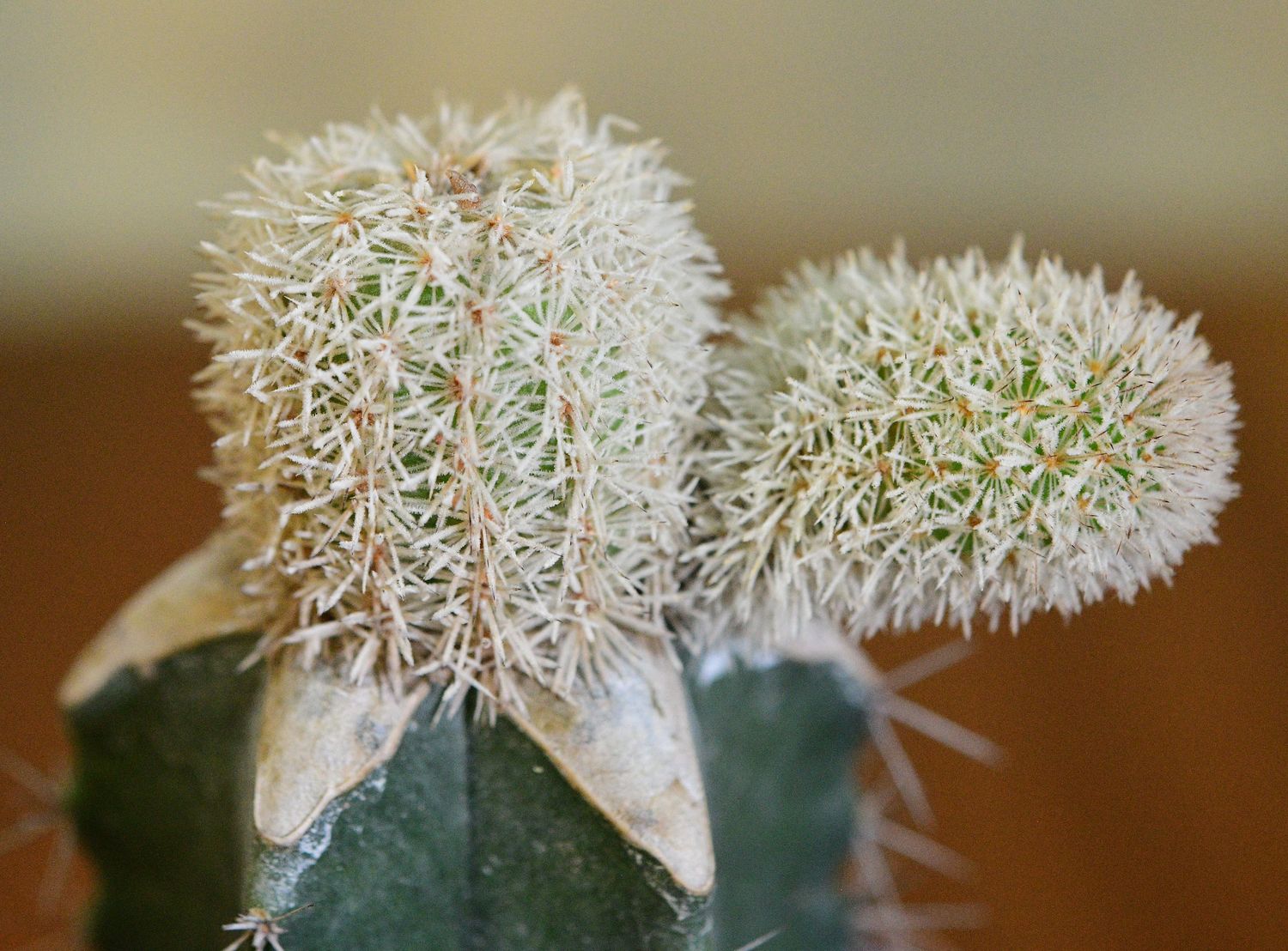
A slender, upright stem wrapped in a dense, glassy-white coat of fine, downy spines, grafted onto a sturdy dark green rootstock — a cutting taken directly from a crested (cristate) mother plant of one of Peru's rarest and most poorly known columnar cacti. Right now it's growing as a normal single stem rather than showing the fan-like crest itself; whether it eventually reveals that fasciated character as it matures is part of the gamble, and the charm, of growing crest-derived material.
Origin of Name
The genus Haageocereus honours Friedrich Adolph Haage (1796–1866), the Erfurt, Germany nurseryman who founded his own seed and plant nursery in 1822, built one of the largest cactus collections of his era, co-founded the Erfurt Horticultural Association, and was commemorated after his death with a monument in his home city. German cactus taxonomist Curt Backeberg named the genus in his honour in the 20th century, combining "Haageo-" with cereus, Latin for "candle" or "wax taper" — the term long used for tall, columnar cacti for their candle-like growth habit.
The species epithet lanugispinus is built from Latin lanugo ("down" or "wool-like covering") and spina ("spine"), a precise description of this species' most distinctive trait: spines so fine, dense, and softly downy that they give the whole stem a glassy-white, almost fur-covered look. The plant has also circulated under an older synonym, Pygmaeocereus densiaculeatus, and remains listed under that name in some older collections and reference works.
The tag "f. cristata" (crested form) doesn't describe a bred cultivar or a separate botanical variety — it names a naturally occurring growth abnormality called fasciation, in which the plant's normal single growing point stops growing as a point and instead widens into a band, producing a folded, fan-like crest instead of an ordinary round stem. The cutting offered here was taken from crested source material, though — as is often the case with cristate cacti — it is currently expressing a normal, single-stemmed growth habit rather than the crest itself.
Origin of Plant
Haageocereus is a genus endemic to the extremely dry, low-elevation coastal desert of Peru, with a couple of species extending into northern Chile — some of the driest habitat on Earth, sustained largely by coastal fog rather than rainfall. Haageocereus lanugispinus specifically is native to a narrow stretch north of Pativilca, in the Ancash–Lima border region, growing at elevations between roughly 2,000 and 2,500 metres as a small, sprawling, finger-sized cactus that spreads from its base and lies half-prostrate along the ground rather than standing upright.
It is, by every account, a genuinely rare and poorly documented species in the wild. Much of what circulates in cultivation worldwide traces back to a small number of original collected clones rather than ongoing wild collection — and the crested form in particular is now more often seen in specialist collections than the normal wild-type growth habit, propagated almost exclusively by grafting rather than from seed or rooted cuttings.
Description
In its normal wild form, Haageocereus lanugispinus is a small, low, sprawling cactus, its ribbed stems densely covered in unusually soft, plumose, glassy-white spines that detach easily to the touch — a spination unlike almost anything else in the genus — and it produces white flowers.
The crest form this cutting derives from abandons that low, creeping habit for a folded, undulating, fan-like mass of tightly packed growth, each lobe still carrying the same fine white spination. This particular piece, however, is a cutting taken from crest tissue and grafted onto a vigorous rootstock to encourage strong, healthy growth — a standard technique for this genus, since crested material and the species' own roots can both be slow and temperamental on their own. As grown here, it currently shows an upright, single-headed columnar stem rather than a fasciated crest, densely wrapped in the same fine downy white spines the species is prized for. Cristate cacti are unpredictable this way: a cutting from crest material can settle into ordinary growth, can throw crested tissue again later as it matures, or can do both at different points along the same stem — so this plant's ultimate form is genuinely still an open question.
Conservation Status
Haageocereus lanugispinus has not been separately assessed on the IUCN Red List, but it is consistently described in the specialist literature as rare and poorly known even within its native range, restricted to a narrow stretch of Peru's coastal desert. As with virtually all columnar cacti from Peru, it falls under CITES Appendix II, regulating international trade in wild-collected material. Because so much of what exists in cultivation, this piece included, descends from grafted and vegetatively propagated stock rather than fresh wild collection, growing one is a low-impact way to keep a genuinely scarce species in circulation.
Care
Light: Bright light is important, ideally several hours of direct or strong filtered sun daily, to keep the fine white spination dense and the stem from stretching.
Watering: Water moderately through the growing season, letting the soil dry out fully between waterings, then cut back significantly in winter. Being grafted, this plant will generally tolerate slightly more regular watering than an own-root specimen, since the rootstock does the heavy lifting.
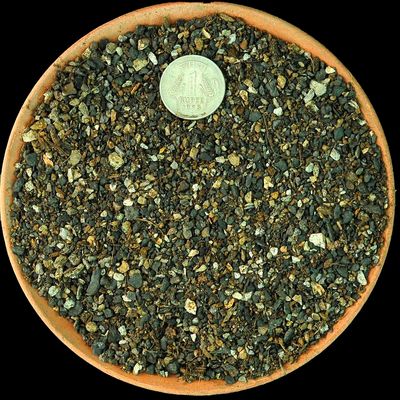
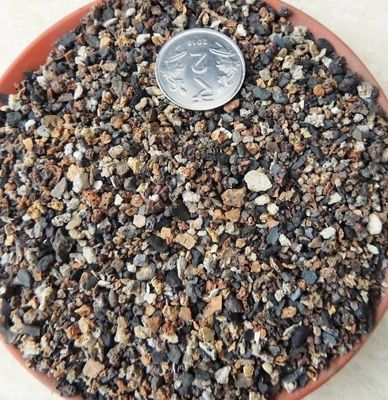
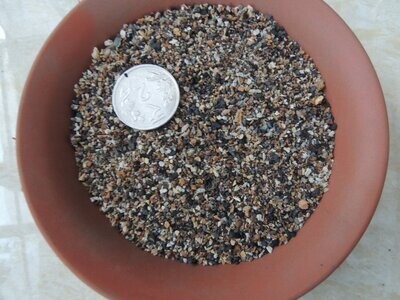
Soil: A gritty, fast-draining cactus mix that suits both the scion and its rootstock.
Temperature: A warm grower with no frost tolerance; keep it above roughly 10°C (50°F) year-round.
General tips: Watch the graft union for firmness and good colour as a sign of a healthy bond. Feed sparingly during the growing season. If growth ever begins to fan out or fold rather than continuing as a single round stem, that's the crest reasserting itself — a welcome and sought-after development, not a problem.
An Interesting Note
Haageocereus lanugispinus is a small case study in how narrow a rare cactus's foothold in the wider world can become: a species genuinely scarce and hard to study in its native Peruvian desert, kept alive in collections worldwide largely through grafted cuttings of a comparatively small number of original clones, because its own roots and its crested form both resist growing well on their own. Every plant like this one is, in a real sense, a continuation of that same limited lineage — grown not from renewed wild collection, but by grafting a piece of an existing plant onto new rootstock and letting it decide, in its own time, whether to grow as an ordinary stem or fold itself back into the fan-like crest it came from.