1. Origin of Name:
The genus "Hamatocactus" is derived from Greek—"hamatos," meaning "hooked" or "bent," reflecting the characteristic hooked spines of the plants. The species "hamatacanthus" combines "hamato," meaning "hooked," and "acanthus," meaning "thorn," emphasizing its distinctive, curved spines. The term "variegated" describes the plant’s unique, multi-colored or mottled appearance—featuring patches or streaks of different hues—making it a highly ornamental cultivar. This name highlights its striking, racially diverse coloration that sets it apart from the standard form.
2. Origin of Plant:
This variegated cultivar of Hamatocactus hamatacanthus is often cultivated in botanical gardens and private collections, sometimes occurring as a natural mutation or a horticultural sport. Its wild origins trace to the desert regions of northern Mexico, where the species naturally grows on rocky slopes and gravelly soils under intense sun. The variegation is usually a cultivated trait, appreciated for its ornamental and aesthetic appeal.
3. Description:
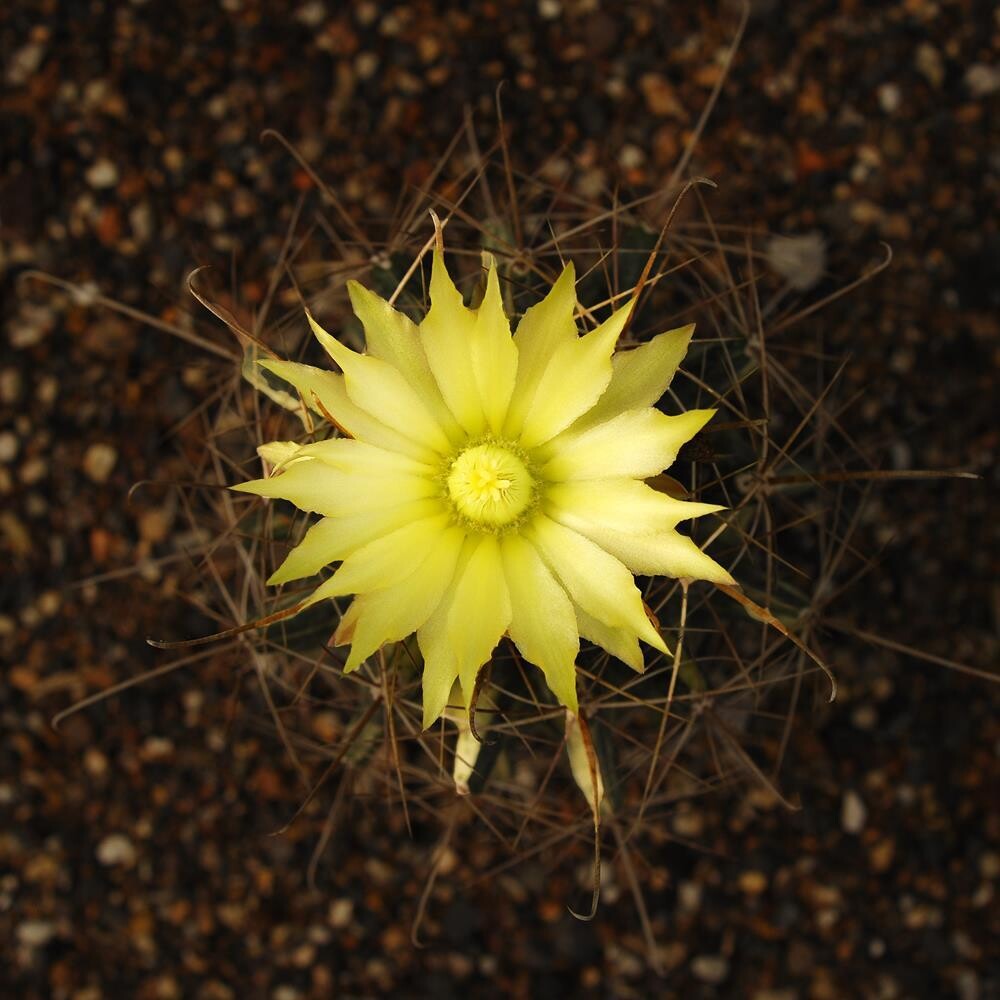
Hamatocactus hamatacanthus variegated displays a rounded or globular form, typically growing 4-8 inches tall and wide. Its surface is covered with dense, hooked, and recurved spines that show a striking mixture of colors—white, yellow, cream, or pale pink—creating a vibrant mosaic-like pattern over its green or bluish-green body. The plant’s well-defined ribs and hooked spines enhance its ornamental appeal. During its flowering season, it produces large, vibrant, funnel-shaped flowers—usually in shades of yellow, orange, or red—that blossom near the top or along the ribs, adding further visual interest.
4. Conservation Status:
As a cultivated variegated cultivar, it is propagated responsibly in nurseries, reducing pressure on wild populations. Wild specimens may face threats from habitat loss, but responsible propagation and cultivation help conserve this beautiful, rare form and prevent wild overharvesting.
5. Care:
For successful growth:
- Watering: Water sparingly, allowing the soil to dry completely between waterings; reduce in winter.
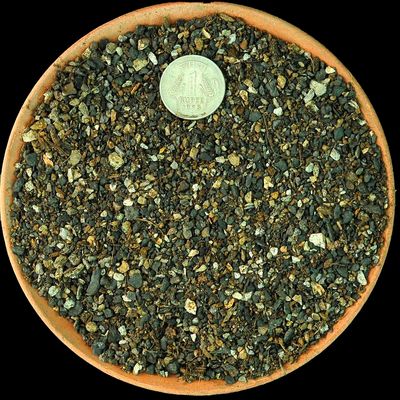
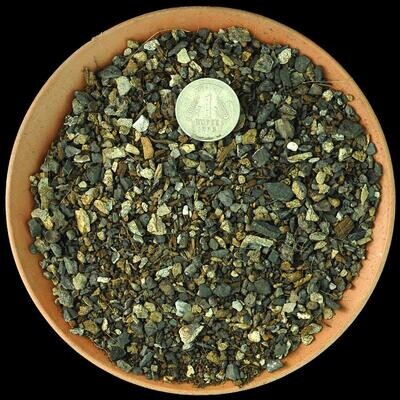
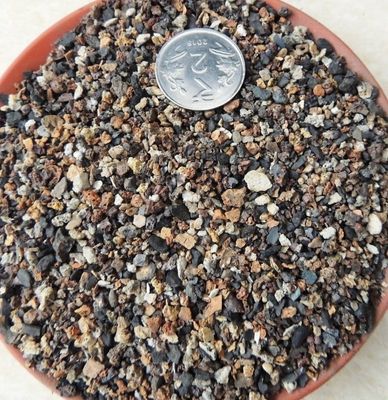
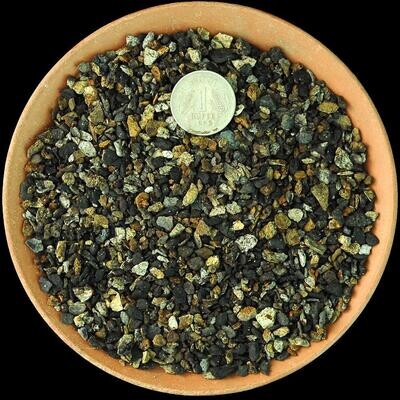
- Soil: Use a fast-draining cactus or mineral-based mixture with coarse sand, pumice, or gravel.
- Light: Requires full sun or very bright, direct sunlight for at least 4 hours daily to maintain its vibrant variegation and stimulate flowering.
- Temperature: Prefers warm conditions between 60°F (15°C) and 85°F (29°C). Protect from frost—bring indoors or insulate in cooler climates.
- Tips: Fertilize lightly during the growing season with a cactus fertilizer. Watch for pests such as scale or mealybugs.
Hamatocactus hamatacanthus variegated is a stunning, color-rich cactus that captures attention with its vibrant, mosaic-like spines and ornamental appeal. Perfect for collectors who appreciate the beauty of natural mutations and variegation, it makes a lively, eye-catching addition to any cactus or succulent garden, celebrating the artistry and diversity of desert flora.