

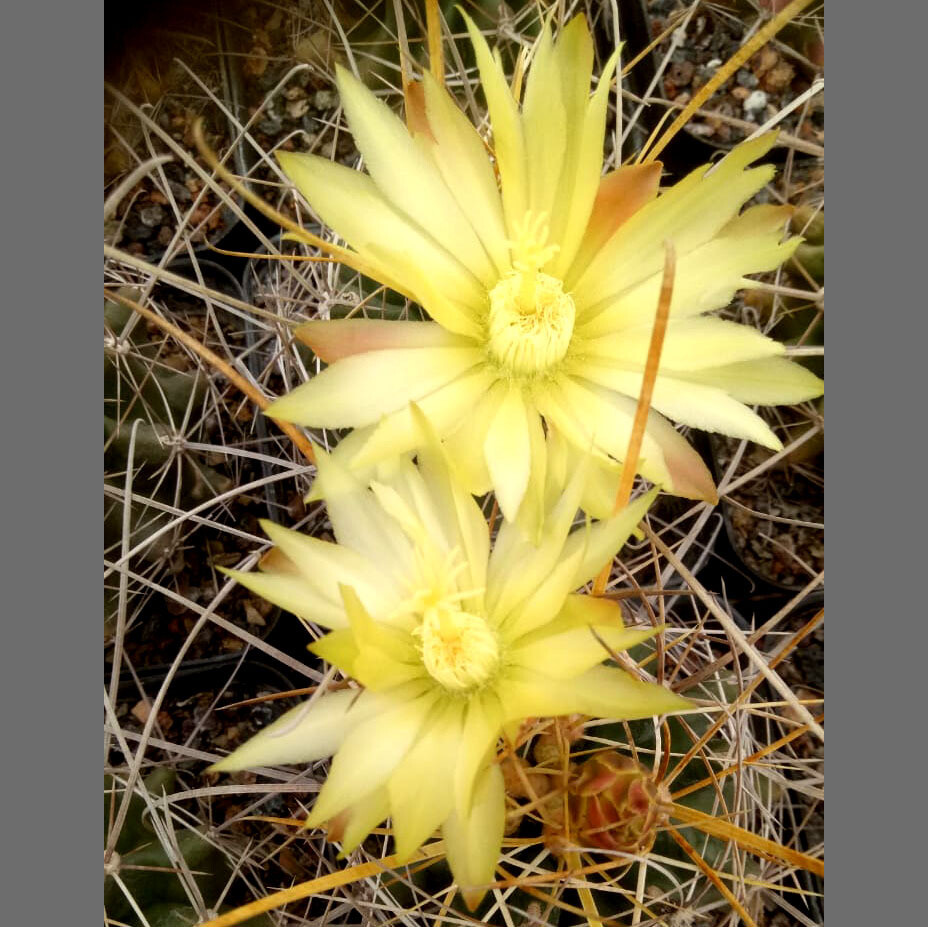
Hamatocactus sinuatus v.papyracanthus yellow spines
Product Details
Golden Bristle Masterpiece: Hamatocactus sinuatus v. papyracanthus
A rare architectural marvel defined by its translucent, paper-like yellow spines and geometric precision.
- Origin & History of Name The genus name Hamatocactus is derived from the Latin hamatus (hooked), referring to the characteristic central spines, and the Greek kaktos (thistle). This specific variety, papyracanthus, combines the Greek papyros (paper) and akantha (spine), describing the unique, flattened, flexible texture of its radial spines. It was historically classified under Ferocactus but remains distinct among collectors for its specific spination.
- Morphology This specimen features a globular to cylindrical epidermis with deep, undulating costae (ribs). Its primary diagnostic feature is the papyraceous spine structure—long, flattened, straw-yellow spines that are flexible rather than brittle. These spines originate from woolly areoles, providing a striking contrast against the dark green body. In maturity, it produces funnel-shaped yellow flowers with a characteristic red throat.
- Habitat & Origin This is a naturally occurring variety found primarily in the Rio Grande Valley of Southern Texas and Northeastern Mexico. It is a wild-type variety rather than a laboratory hybrid. To ensure conservation, our specimens are exclusively nursery-grown from seed, protecting wild populations from poaching and ensuring the ecological sustainability of the species.
- Cultivation Profile
- Substrate: Requires a strictly mineral-based mix (60% volcanic tuff, grit, or crushed brick; 40% organic matter). Avoid standard garden soil to prevent root rot.
- Light: Thrives in bright, indirect sunlight. In the intense Indian summer, provide 30-50% shade cloth protection during peak afternoon hours to prevent epidermal scorching.
- Water/Dormancy: Follow a "soak and dry" method during the growing season (March–October). Enter a strict dry dormancy during the monsoon and winter months; high humidity in the Indian subcontinent means supplemental watering should be minimal to non-existent when temperatures drop.
5. Scientific/Historical Anecdote The Hamatocactus was a subject of intense taxonomic debate for decades. While many botanists attempted to merge it into the Ferocactus genus due to its hooked spines, DNA sequencing eventually highlighted its closer relationship to Thelocactus. Its "paper spines" are a fascinating evolutionary adaptation, likely evolved to mimic dry grass, providing the plant with camouflage against herbivores in its native scrubland.
New
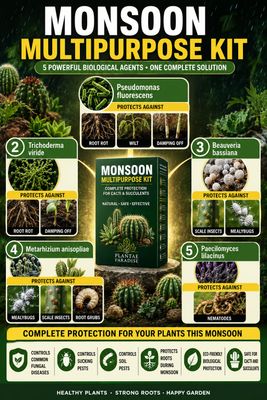
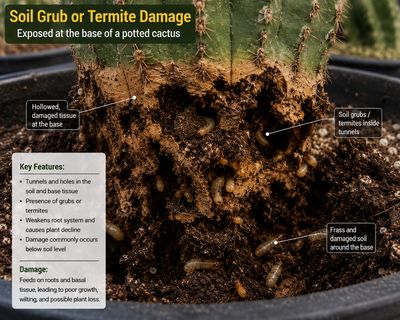
Monsoon Guardian Kit (5 in 1)
Monsoon Guardian Kit (5 in 1)
Complete 5-in-1 biological protection kit for cacti & succulents
SKU MNS024
₹850.00

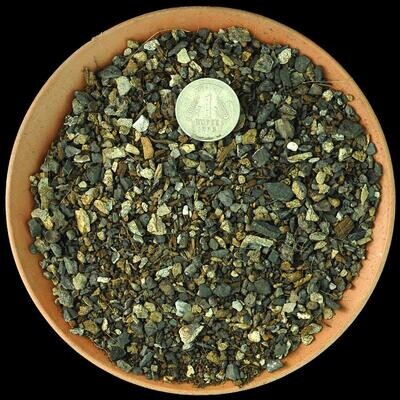
Cactus & Succulent Planting Mix COARSE (aka Cactus Soil Mix or Succulent Soil Mix)
Cactus & Succulent Planting Mix COARSE (aka Cactus Soil Mix or Succulent Soil Mix)
Washed, Free-Draining Mineral Mix for Cactus & Succulents
SKU MNS003
₹44.85


Cactus Seed Planting Mix
Cactus Seed Planting Mix
Sterile, Fine-Grain Media for Cactus & Succulent Seeds
SKU MNS005
₹74.85