

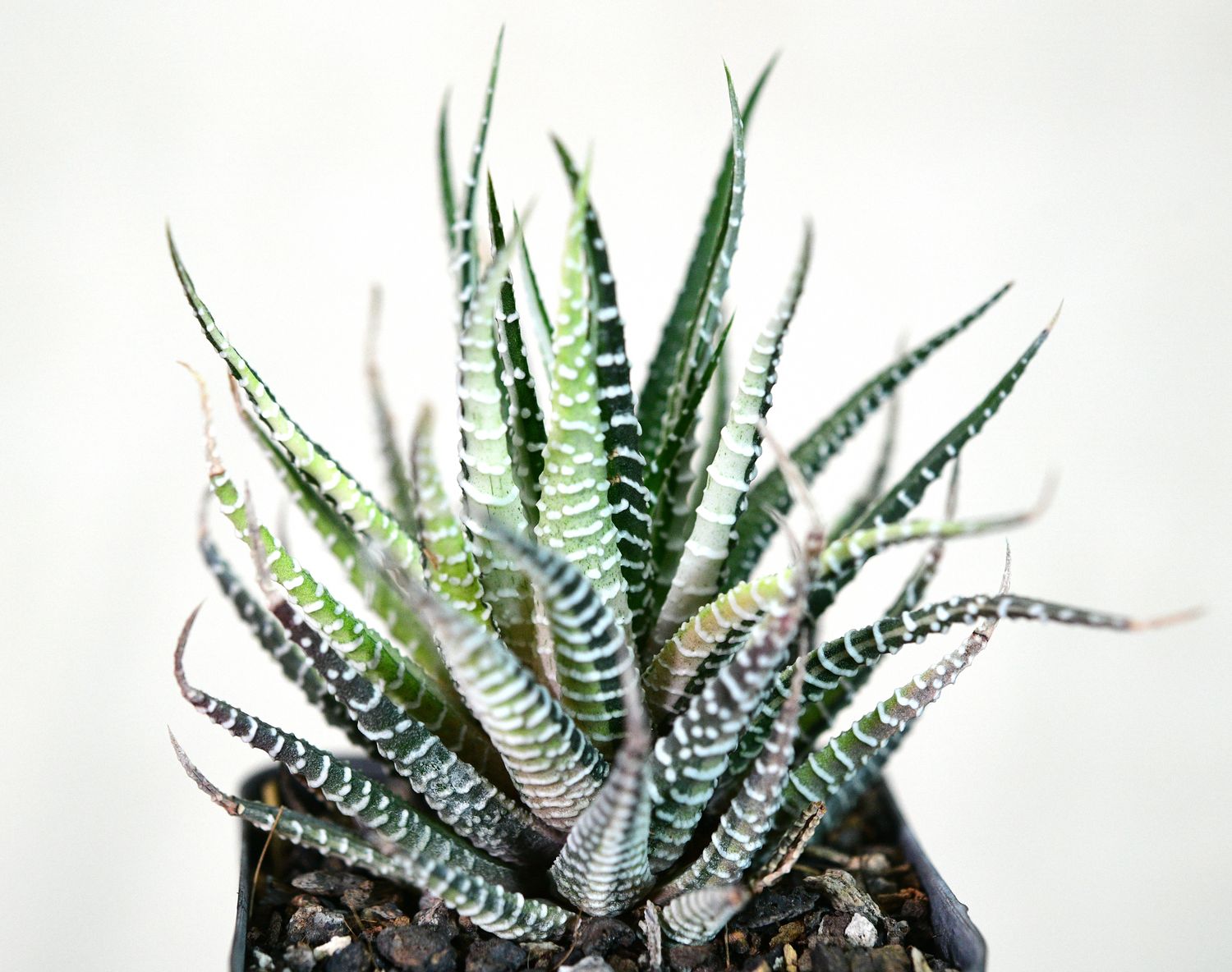
Haworthia attenuata variegated
Product Details
Radiant Contrast: Haworthia attenuata variegated
A striking architectural masterpiece featuring high-contrast cream striping that makes it a must-have for any rare succulent collection.
- Origin & History of Name: The genus name Haworthia honors British botanist Adrian Hardy Haworth (1767–1833), who was a leading authority on succulent plants.
The specific epithet attenuata is derived from the Latin word for "tapering," referring to the long, thin shape of the leaves. Historically, it was often confused with Haworthia fasciata, but it was differentiated in the early 19th century based on the presence of tubercles on both leaf surfaces. - Morphology: This plant is characterized by its rosettes of fleshy, lanceolate leaves. Its unique variegation is a genetic mutation where the epidermis lacks chlorophyll in certain sections, resulting in vivid white or yellow longitudinal stripes. The leaves are covered in white tubercles (wart-like bumps) that provide a textured, "Zebra-like" appearance against the smooth, pigmented tissue.
- Habitat & Origin: While the green H. attenuata is native to the Eastern Cape Province of South Africa, the variegated form is primarily a cultivar selected and stabilized in nurseries.
These plants are sustainably produced through offset division or tissue culture to preserve the specific variegation patterns, as they do not occur reliably from seed. - Cultivation Profile:
- Substrate: A strictly mineral-based mix is essential for the Indian climate. Use a blend of 70% inorganic material (pumice, perlite, or crushed brick) and 30% organic matter (well-aged compost or coco-peat).
- Light: Thrives in bright, indirect light. In India, avoid the harsh midday sun (especially from March to June), which can scorch the non-pigmented variegated patches; a north or east-facing balcony is ideal.
- Water/Dormancy: Water thoroughly only when the substrate is bone-dry. During the summer dormancy (peak Indian heat) and winter, reduce watering significantly to prevent root rot.
- Scientific/Historical Anecdote: Interestingly, Haworthia species are closely related to Aloe, but they were separated into their own genus partly because of their unique floral structure.
While Aloe flowers are often large and bird-pollinated, Haworthia evolved small, white, tubular flowers specifically to be pollinated by bees and flies in the rocky crevices of their native South African scrubland.
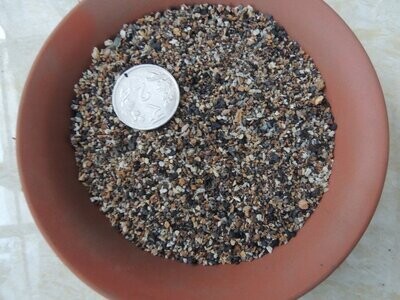
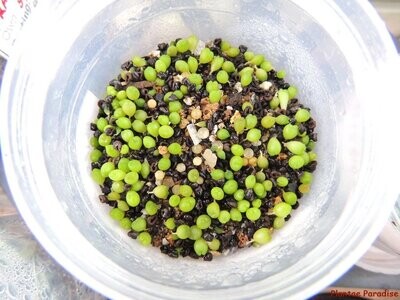
Cactus Seed Planting Mix
Cactus Seed Planting Mix
Sterile, Fine-Grain Media for Cactus & Succulent Seeds
SKU MNS005
₹74.85
New
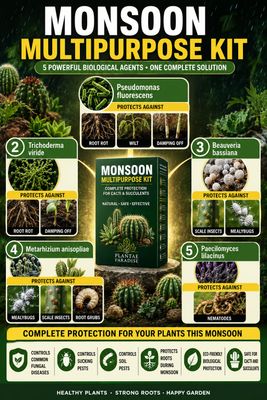
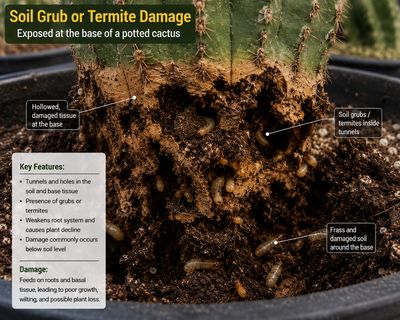
Monsoon Guardian Kit (5 in 1)
Monsoon Guardian Kit (5 in 1)
Complete 5-in-1 biological protection kit for cacti & succulents
SKU MNS024
₹850.00
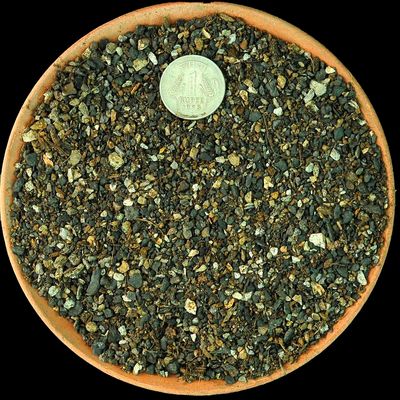
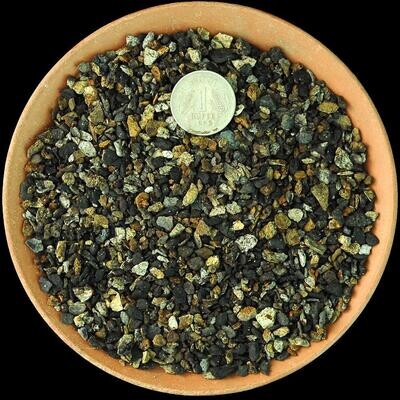
Cactus & Succulent Planting Mix COARSE (aka Cactus Soil Mix or Succulent Soil Mix)
Cactus & Succulent Planting Mix COARSE (aka Cactus Soil Mix or Succulent Soil Mix)
Washed, Free-Draining Mineral Mix for Cactus & Succulents
SKU MNS003
₹44.85