Haworthia bayerii is a charming succulent celebrated for its compact rosette of fleshy, translucent leaves and intricate, textured surface. Its delicate appearance and fascinating leaf patterns make it a sought-after plant for collectors and enthusiasts of small, architectural succulents.
1. Origin of Name:
The genus "Haworthia" honors Adrian Hardy Haworth (1767–1833), a renowned English botanist credited with classifying many succulents and cacti. The species name "bayerii" commemorates the German botanist Karl Bayer, who contributed to the study of South African flora. The specific name highlights its scientific recognition and noble lineage. Known for its small, rosette-forming leaves and the distinctive translucent "windows," Haworthia bayerii is valued for its delicate beauty and subtle patterns.
2. Origin of Plant:
Haworthia bayerii is native to South Africa, particularly in rocky, arid regions of the Western Cape. It naturally grows on rocky slopes, cliffs, and in crevices where water drains quickly and sunlight is intense. Its natural habitat's rugged terrain has shaped its succulent, low-growing, and resilient form — perfectly adapted for harsh conditions. The plant’s natural environment emphasizes water conservation, gentle growth, and intricate leaf patterns.
3. Description:
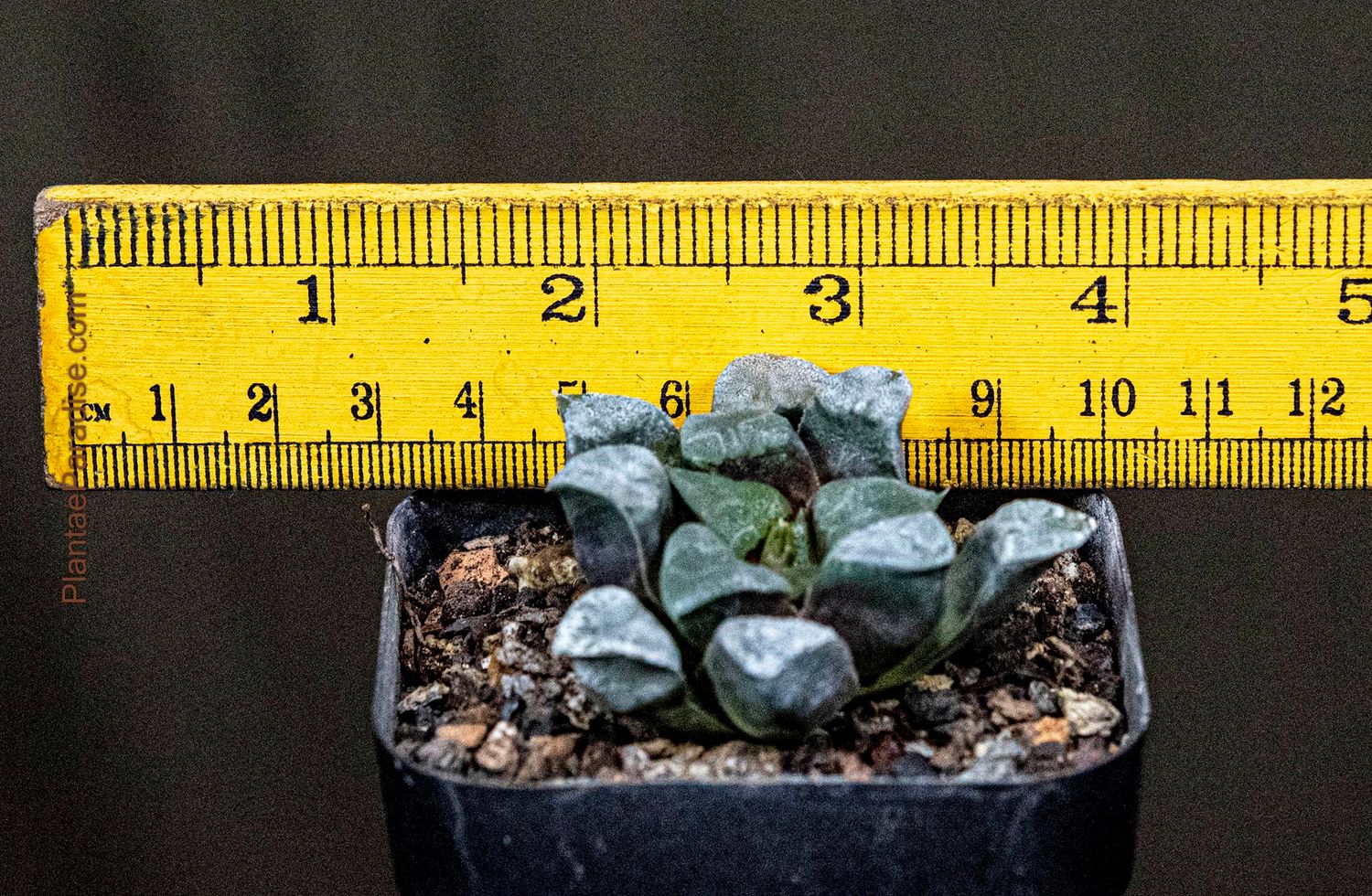
This species features small, tightly packed rosettes of thick, oval or lance-shaped leaves that are often translucent at the tips, forming characteristic "windows" that allow light to penetrate into the leaf interior—an adaptation for thriving in full sun. The leaves are a vibrant green, sometimes with darker markings or tiny tubercles adding texture. The overall appearance is delicate and gem-like, with the translucent tips creating a miniature, jewel-like effect, often resembling tiny, leafy lanterns or windows. It produces slender flower stalks bearing small, white or pinkish tubular flowers during its blooming season.
4. Conservation Status:
Wild populations of Haworthia bayerii are relatively limited, and habitat disturbance can impact native sites. However, widespread cultivation and propagation in nurseries worldwide help ensure its availability and reduce wild collection pressure. Responsible cultivation and sourcing support the conservation of this beautiful species and its natural habitats.
5. Care:
- Lighting: Bright, indirect sunlight; some direct morning sun enhances the translucent "windows" but avoid harsh afternoon rays.
- Watering: Water sparingly, allowing the soil to dry out completely between watering, especially during winter dormancy.
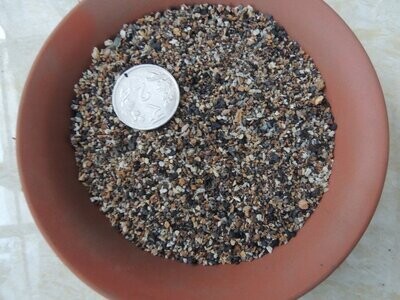
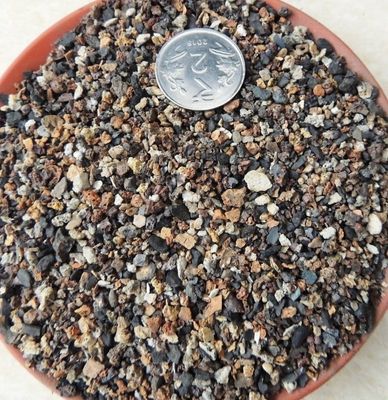
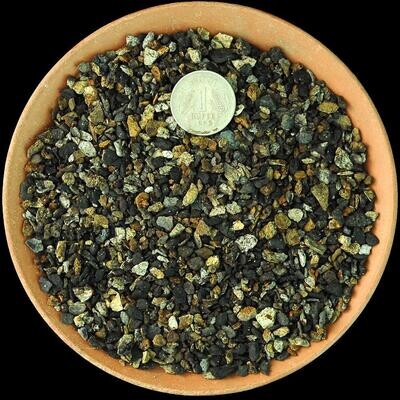
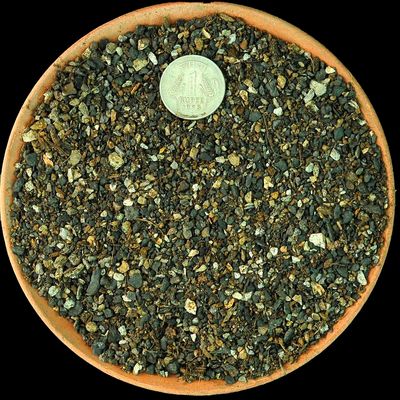
- Soil: Use a well-draining cactus or succulent mix with coarse sand or pumice.
- Temperature: Prefers warm conditions, ideally between 65°F and 80°F (18°C to 27°C); protect from frost by bringing indoors or using frost protection during cold weather.
- Additional Tips: Avoid overwatering and ensure good drainage. Fertilize lightly during active growth with a diluted cactus fertilizer.
6. Interesting Anecdote:
Native South Africans regard Haworthia bayerii as a symbol of subtle beauty and resilience — a tiny gem that withstands the harshest environments. Its delicate, translucent leaves are sometimes called "living lanterns" because of their gem-like, glowing appearance in the sunlight. Its miniature form and intricate patterns have inspired artisans, jewelry makers, and artists, symbolizing patience, resilience, and subtle elegance amid rugged landscapes. Many enthusiasts cherish it as a "botanical jewel" embodying the quiet strength of desert plants.
Add the delicate, gem-like beauty of Haworthia bayerii to your collection and enjoy a miniature masterpiece—an elegant, resilient gem of the succulent world!