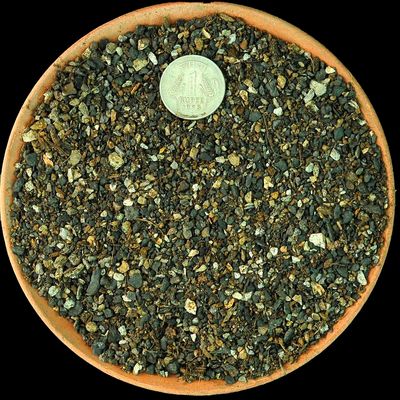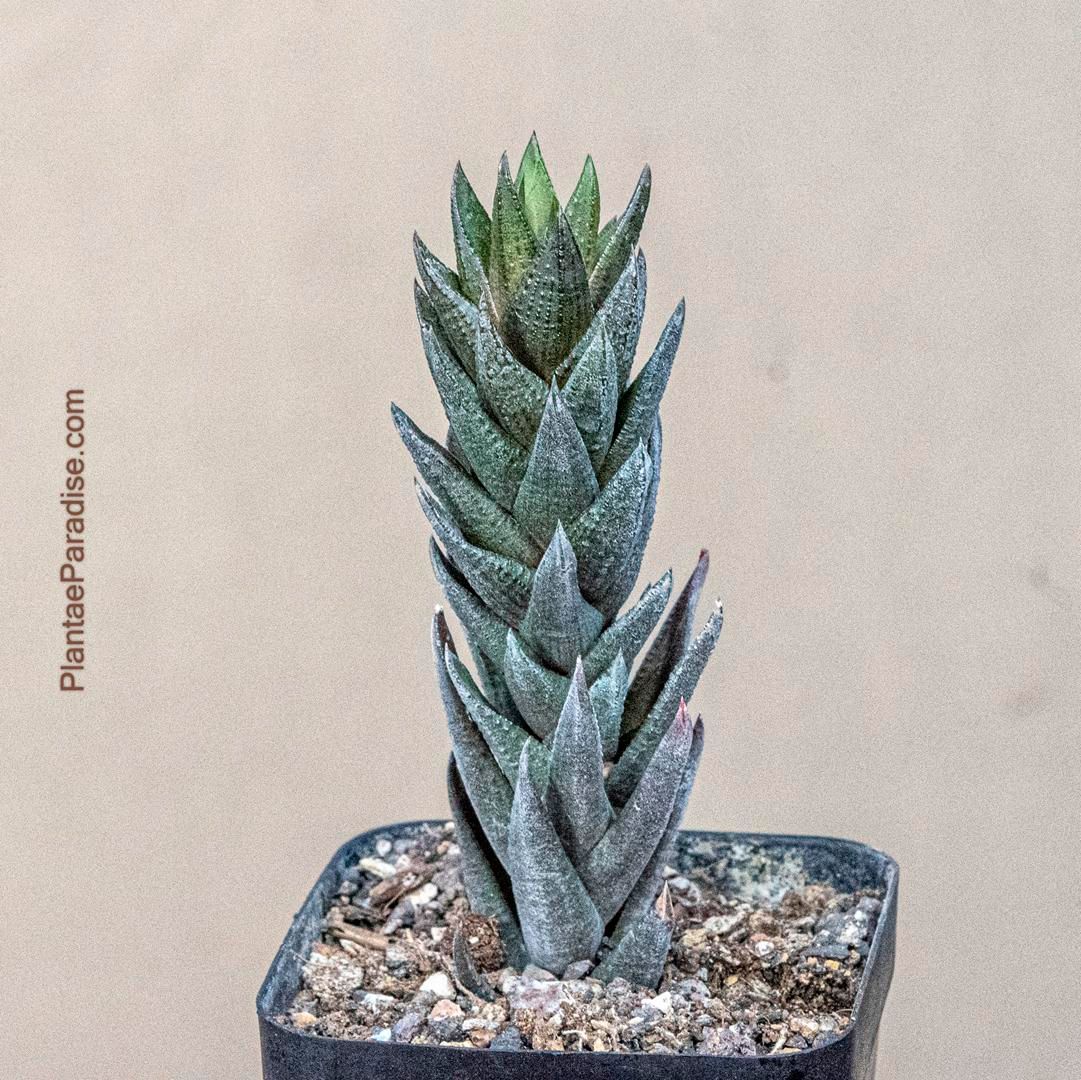
Haworthia coarctata
Product Details
Haworthia coarctata — Sculpted, Armor-Like Succulent; bold, low-maintenance, perfect for minimalist pots and rock gardens.
- Origin of Name
- Etymology: The genus Haworthia honors Adrian Hardy Haworth (1767–1833), an English botanist and entomologist known for early succulent studies and publications such as "Synopsis Plantarum Succulentarum" (1797–1821). The species epithet coarctata is derived from Latin coarctatus, meaning "compressed," "crowded," or "closely packed," describing the plant’s tightly stacked leaves. The name reflects classical botanical Latin usage to convey a distinctive morphological trait.
- Naming history: Haworthia coarctata was described in the 19th century as collectors and botanists cataloged South African succulents for European herbaria and nurseries. Over time, horticultural clones and regional variants have been named (including forms sometimes confused with H. reinwardtii). Older horticultural literature sometimes grouped closely similar species together; modern treatments separate H. coarctata based on leaf tubercles, arrangement, and floral details.
- Synonyms & taxonomic notes: Some plants in cultivation have historically been misidentified or listed under related names (e.g., mixed references with H. reinwardtii), and a variety of cultivar names exist in trade. Recent taxonomic reviews and molecular studies have refined species boundaries within Haworthia, but growers still use traditional names for convenience.
- Origin of Plant
- Natural habitat & geography: Haworthia coarctata is native to the Eastern Cape and southern KwaZulu-Natal regions of South Africa. It typically grows on rocky outcrops, shale slopes, and crevices where drainage is excellent, often partially sheltered by shrubs or grasses.
- Discovery history: European botanists and plant collectors in the 19th century documented many Haworthia species during botanical expeditions and plant exchanges between South Africa and Europe. These compact succulents were valued by Victorian collectors and botanical gardens, which promoted their cultivation and distribution worldwide.
- Description
- Habit & size: H. coarctata forms dense, compact rosettes or short columns of tightly overlapping leaves, usually 2–6 inches (5–15 cm) across depending on cultivar and age. It readily offsets to create striking clumps.
- Leaves & texture: Leaves are thick, succulent, and closely imbricate (stacked), often giving a "stacked coin" or armored appearance. Surfaces frequently bear pronounced tubercles or raised bumps, which can be arranged in bands or irregular patterns; color ranges from dark green to grey-green, sometimes taking on reddish-brown tones in bright light or under stress. Margins are smooth to slightly toothed depending on the variety.
- Flowers: Produces slim, wiry inflorescences up to 12–30 cm tall with small tubular white to pale pink flowers, usually in late winter to spring. Flowers are delicate and not the primary ornamental feature.
- Ornamental traits: Known for its architectural, almost sculptural form and textured leaf surfaces, H. coarctata is ideal for minimalist displays, crevice gardens, or as a focal accent in mixed succulent arrangements.
- Conservation Status
- Wild status: Haworthia coarctata is not broadly listed as critically endangered globally, but many Haworthia species face localized pressures from habitat loss, land use changes, and illegal collecting. Some populations may be vulnerable depending on local conditions.
- Conservation notes: Responsible sourcing from reputable nurseries that propagate plants (offsets, tissue culture) is recommended. Conservation efforts in South Africa include habitat protection and cultivation-based reduction of wild collection pressure.
- Care
- Light: Bright, indirect light to light morning sun. Tolerates stronger light than some Haworthias, which can enhance texture and bring out color, but avoid prolonged hot afternoon sun that causes scorching.
- Water: Use the soak-and-dry method—water thoroughly, then allow soil to dry before watering again. Reduce watering in winter when growth slows. H. coarctata is drought-tolerant; overwatering causes root rot.
- Soil & drainage: Plant in a well-draining succulent/cactus mix with added coarse sand, pumice, or perlite (at least 50% mineral content recommended). Excellent drainage is essential.
- Temperature & humidity: Prefers 55–85°F (13–29°C). Protect from frost; sustained temperatures below ~40°F (4–5°C) can damage plants. Average indoor humidity is fine.
- Fertilizer: Light feeding during active growth (spring–early fall) with a diluted balanced fertilizer once a month is adequate.
- Propagation & maintenance: Propagate by separating offsets or by seed. Repot every 2–3 years if crowded. Monitor for pests like mealybugs and ensure good airflow to deter fungal issues.
- Anecdote / Historical Note Victorian collectors prized Haworthia for glasshouse displays and "cabinet" plant collections; H. coarctata’s armor-like, textured leaves made it a favorite for close inspection and classification. Its distinctive stacked form inspired growers to create crevice-style plantings mimicking its native rocky niches, a style still popular among contemporary succulent enthusiasts and connoisseurs.
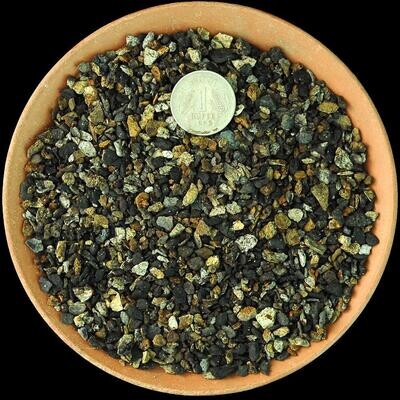
Cactus & Succulent Planting Mix COARSE (aka Cactus Soil Mix or Succulent Soil Mix)
Cactus & Succulent Planting Mix COARSE (aka Cactus Soil Mix or Succulent Soil Mix)
Washed, Free-Draining Mineral Mix for Cactus & Succulents
SKU MNS003
₹44.85
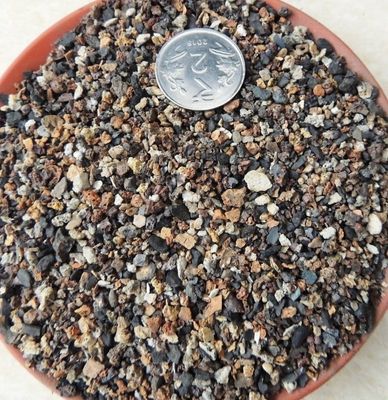
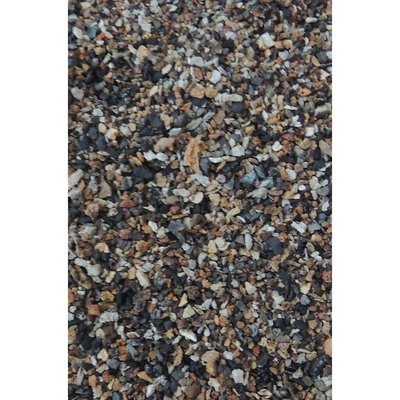
Cactus & Succulent Planting Mix FINE (aka Cactus Soil Mix or Succulent Soil Mix)
Cactus & Succulent Planting Mix FINE (aka Cactus Soil Mix or Succulent Soil Mix)
Fine-Grain Potting Mix for Cactus & Succulent Roots
SKU MNS001
₹39.85
New
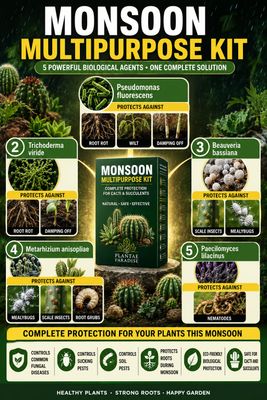
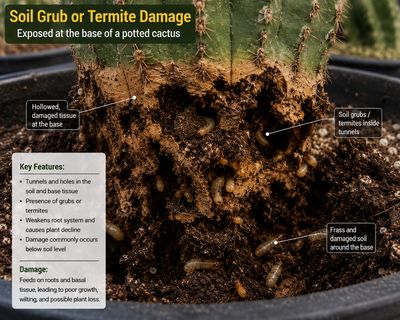
Monsoon Guardian Kit (5 in 1)
Monsoon Guardian Kit (5 in 1)
Complete 5-in-1 biological protection kit for cacti & succulents
SKU MNS024
₹850.00