

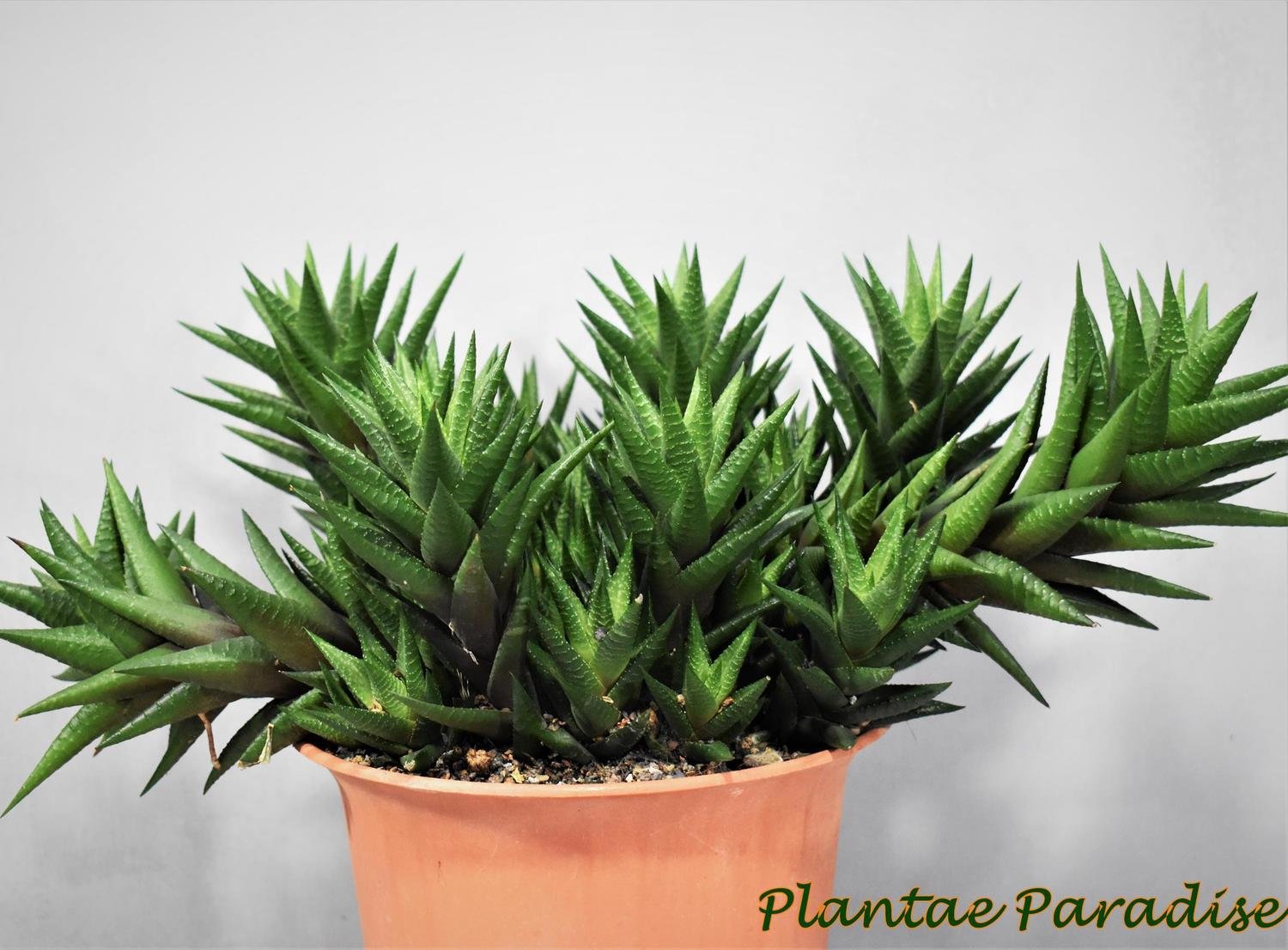
Haworthia coarctata var. adelaidensis (riebeeckensis)
Product Details
Haworthia coarctata var. adelaidensis (riebeeckensis) — Rugged, Stacked Haworthia; bold, armor-like rosettes perfect for rockeries and minimalist pots.
- Origin of Name
- Etymology: The genus name Haworthia honors Adrian Hardy Haworth (1767–1833), an English botanist and entomologist who published early works on succulents. The species epithet coarctata comes from Latin coarctatus, meaning “compressed” or “closely packed,” describing the plant’s tightly overlapping leaves. The varietal name adelaidensis indicates a geographic association (literally “of Adelaide” in Latinized form), historically used to denote provenance or a locality tied to the plant or its cultivars. The parenthetical name riebeeckensis references Riebeeck (after Jan van Riebeeck or places bearing his name), a toponym used in some horticultural or regional variants.
- Naming history & synonyms: Haworthia taxonomy has a complex history with many named varieties, forms, and horticultural clones. Varietal epithets such as adelaidensis and regional names like riebeeckensis have been used in trade to distinguish local populations or distinctive clones. Over time, some of these names have been treated as horticultural cultivar names or synonyms rather than formal taxonomic ranks; consult specialist references (e.g., M.B. Bayer’s work) for current accepted treatments.
- Origin of Plant
- Natural habitat & geography: Haworthia coarctata and its variants are native to the Eastern Cape and nearby regions of South Africa. They typically grow on rocky outcrops, shale slopes, and crevices where drainage is excellent and plants receive filtered light beneath shrubs or grasses. Local variants reflect microhabitat differences—soil type, sun exposure, and elevation—that produce slightly different growth forms and surface textures.
- Discovery history: Collectors and botanists in the 19th and 20th centuries documented many Haworthia populations across South Africa; distinctive local forms were often given varietal names by collectors and growers. These plants entered European and global cultivation via botanical exchanges and nursery trade.
- Description
- Habit & size: H. coarctata var. adelaidensis (riebeeckensis) forms compact, dense rosettes or short columns of tightly packed leaves, usually 2–6 inches (5–15 cm) across depending on age and clone. It readily forms attractive clumps through offsets.
- Leaves & texture: Leaves are thick, succulent, and imbricate (overlapping closely), producing an armored, stacked appearance. Surfaces typically bear tubercles or raised bumps, which may be arranged in bands or irregular patterns; tubercle size and density vary among local forms, giving some clones a smoother look and others a rougher, warted texture. Leaf color ranges from deep green to grey-green and may flush reddish-brown in strong light or drought stress.
- Flowers: Produces tall, wiry inflorescences bearing small tubular white to pale pink flowers, usually in late winter to spring. Flowers are delicate; the foliage is the primary ornamental feature.
- Ornamental traits: Noted for its sculptural, architectural form and strong textural presence, this variety is excellent in minimalist pots, crevice gardens, mixed succulent arrangements, and rockeries.
- Conservation Status
- Wild status: While many Haworthia species are not globally listed as critically endangered, localized populations can be vulnerable to habitat loss, agricultural conversion, and illegal collecting. The conservation status of specific varieties depends on their exact distribution and population trends.
- Conservation notes: Purchase from reputable growers who propagate via offsets or tissue culture. Cultivation and responsible nursery propagation relieve collecting pressure on wild populations. Supporting local conservation programs and habitat protection initiatives in South Africa also helps preserve wild Haworthia diversity.
- Care
- Light: Bright, indirect light; tolerates some morning sun and dappled midday light. Avoid prolonged hot afternoon sun which can scorch leaves. Strong light can enhance texture and bring out reddish tones.
- Water: Use the soak-and-dry method—water thoroughly, then allow the potting mix to dry before watering again. Reduce watering during winter dormancy. Overwatering is the primary cause of failure (root rot).
- Soil & drainage: Plant in a very well-draining succulent/cactus mix with coarse sand, pumice, or perlite (aim for ~50% mineral content). Excellent drainage and a shallow, gritty mix mimic its native crevice habitat.
- Temperature & humidity: Prefers 55–85°F (13–29°C). Protect from frost and sustained temperatures below ~40°F (4–5°C). Average household humidity is acceptable.
- Fertilizer: Light feeding during the active growth season (spring–early fall) with a diluted balanced fertilizer monthly. Avoid over-fertilization.
- Propagation & maintenance: Propagate by removing and replanting offsets; seed propagation is possible but slower. Repot every 2–3 years when crowded. Watch for mealybugs and ensure good airflow to reduce pest and fungal risks.
- Anecdote / Historical Note Collectors and growers have long prized local Haworthia forms for subtle differences in tubercle patterning, leaf stacking, and color. Names like adelaidensis and riebeeckensis often reflect the early collectors’ practice of linking plants to specific farms, towns, or collectors’ labels—practices that helped horticulturists track distinctive clones before modern genetic studies refined species boundaries. The result is a rich tradition of named clones prized by collectors for their unique sculptural qualities.
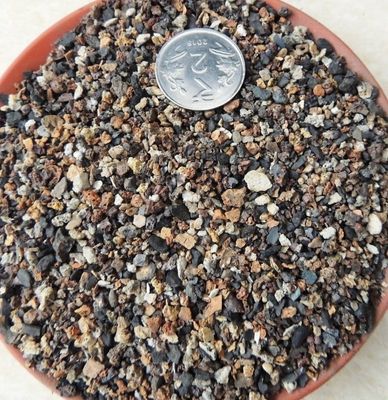
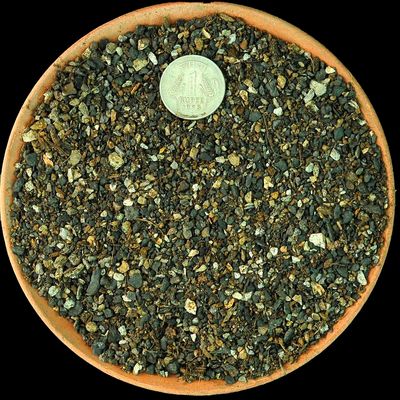
Cactus & Succulent Planting Mix FINE (aka Cactus Soil Mix or Succulent Soil Mix)
Cactus & Succulent Planting Mix FINE (aka Cactus Soil Mix or Succulent Soil Mix)
Fine-Grain Potting Mix for Cactus & Succulent Roots
SKU MNS001
₹39.85
New
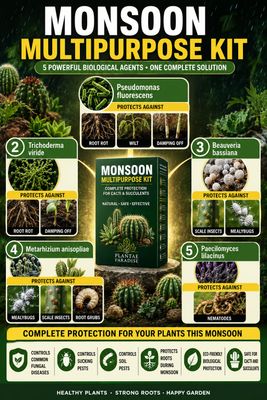
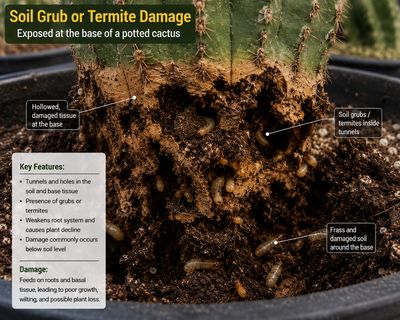
Monsoon Guardian Kit (5 in 1)
Monsoon Guardian Kit (5 in 1)
Complete 5-in-1 biological protection kit for cacti & succulents
SKU MNS024
₹850.00