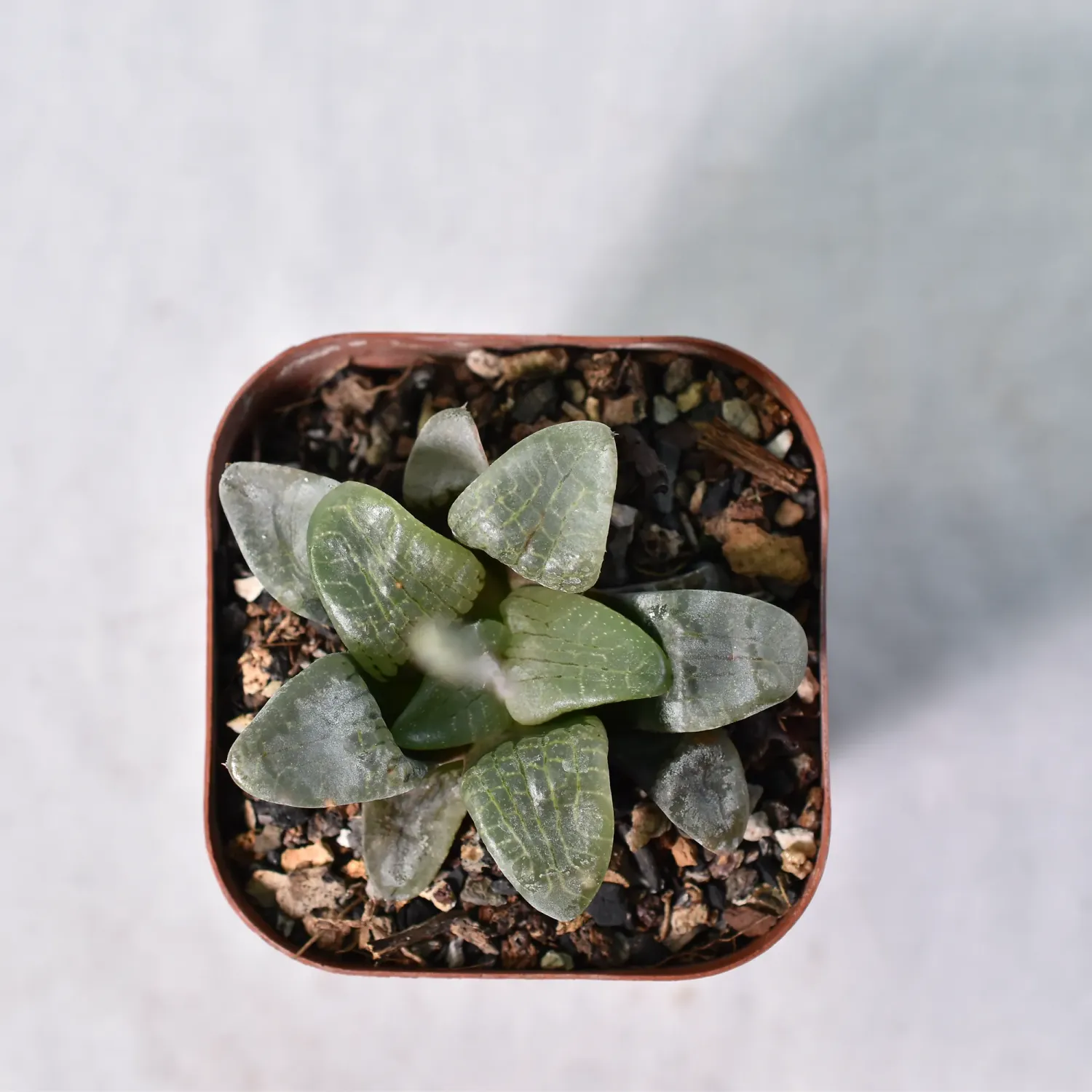
Haworthia comptoniana Crystal
Product Details
Crystalline Elegance: Haworthia comptoniana ‘Crystal’
A masterclass in geometric translucency, this sought-after cultivar represents the pinnacle of succulent structural artistry.
- Origin & History of Name: The species name comptoniana honors Professor Robert Harold Compton, a former director of Kirstenbosch Botanical Garden in South Africa.
The cultivar name ‘Crystal’ refers specifically to the exceptional clarity of the leaf windows, which lack the heavy opaque patterning found in standard forms. - Morphology: This plant is characterized by its recurved, triangular leaves that form a compact rosette. The epidermis (outer skin) on the upper leaf surface is nearly transparent, acting as a "fenestrate" window to allow light into the internal photosynthetic tissue. Unlike common varieties, ‘Crystal’ features prominent, raised tubercles and white longitudinal veins that create a glass-like shattering effect.
- Habitat & Origin: This is a specialized cultivar, selectively bred from wild Haworthia emelyae var. comptoniana populations originally native to the Willowmore district of the Western Cape, South Africa.
This specimen is nursery-bred through sustainable micropropagation or offset division, ensuring no impact on wild succulent populations. - Cultivation Profile:
- Substrate: Use a strictly mineral-based mix (70% inorganic). A blend of pumice, perlite, and fine crushed gravel with only 30% organic coco-peat is ideal for the Indian monsoon climate.
- Light: Requires bright, filtered light. In India, a north or east-facing windowsill is perfect; avoid direct midday sun which can cause "sun-stress" purpling or scorching.
- Water/Dormancy: Follow a soak-and-dry method. Water deeply when the medium is bone-dry. Reduce watering significantly during the peak summer dormancy (May–June) and the cold damp of January to prevent root rot.
- Scientific/Historical Anecdote: Haworthia are biological wonders of light management. Because they often grow buried up to their tips in the wild to avoid desiccation, they evolved their transparent "windows" to function like fiber-optic cables, channeling sunlight deep into the underground part of the leaf where chlorophyll is protected from the heat.


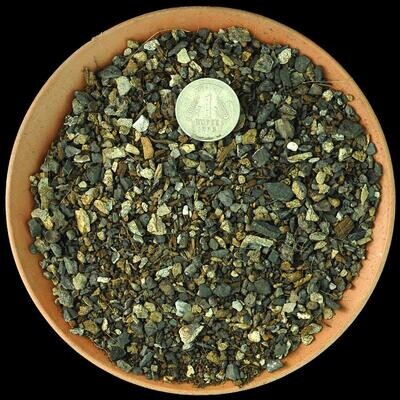
Cactus Seed Planting Mix
Cactus Seed Planting Mix
Sterile, Fine-Grain Media for Cactus & Succulent Seeds
SKU MNS005
₹74.85
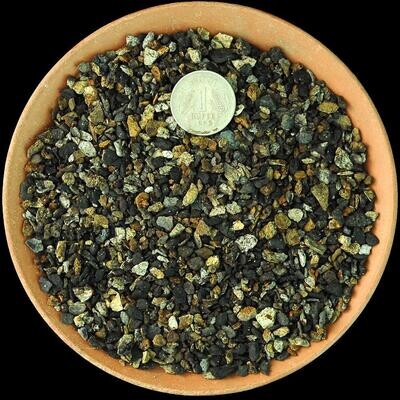
Cactus & Succulent Planting Mix COARSE (aka Cactus Soil Mix or Succulent Soil Mix)
Cactus & Succulent Planting Mix COARSE (aka Cactus Soil Mix or Succulent Soil Mix)
Washed, Free-Draining Mineral Mix for Cactus & Succulents
SKU MNS003
₹44.85

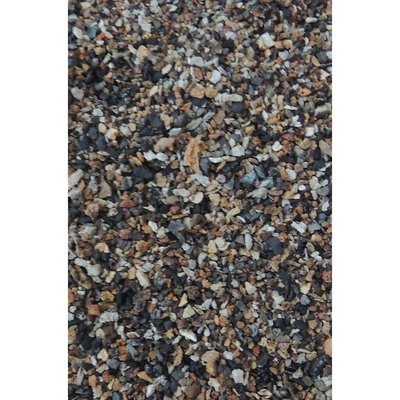
Cactus & Succulent Planting Mix FINE (aka Cactus Soil Mix or Succulent Soil Mix)
Cactus & Succulent Planting Mix FINE (aka Cactus Soil Mix or Succulent Soil Mix)
Fine-Grain Potting Mix for Cactus & Succulent Roots
SKU MNS001
₹39.85