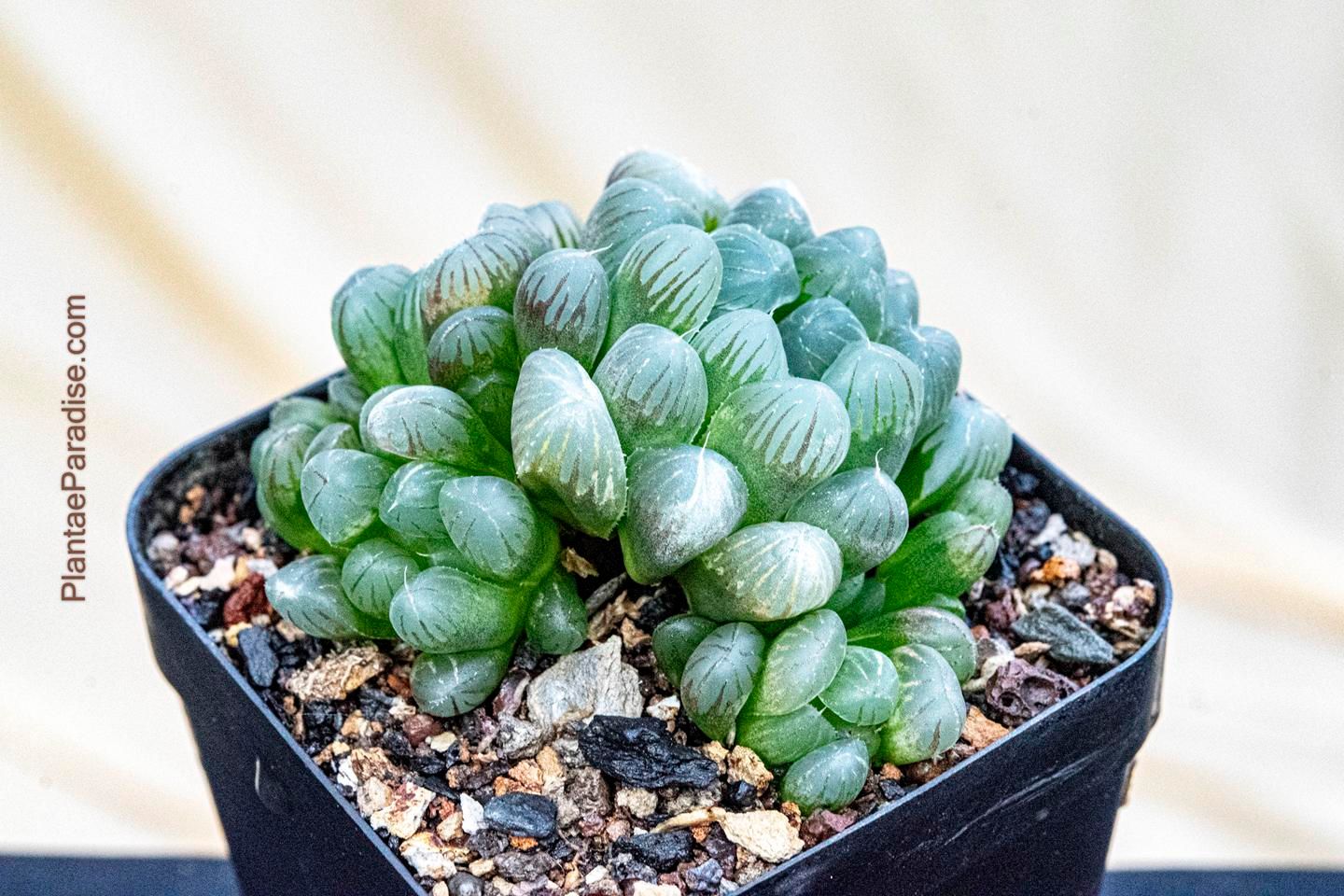
Haworthia cooperi is a captivating succulent renowned for its delicate, translucent "windowed" leaves and compact rosette form. Its charming appearance and subtle elegance make it a favorite among succulent enthusiasts and collectors.
1. Origin of Name:
The genus "Haworthia" honors Adrian Hardy Haworth (1767–1833), an celebrated English botanist and entomologist who specialized in succulents and cacti. The species name "cooperi" commemorates Sir Graham Cooper, a distinguished 19th-century British botanist and horticulturist who contributed greatly to the study of South African flora. The common name "Haworthia cooperi" directly reflects its scientific classification; "cooperi" highlights its connection to the popular and widely cultivated species known for its mesmerizing translucent leaves. Its distinctive, windowed leaf tips have earned it a reputation as a miniature “jewel,” often called "Pearl Plant" or "Glass Plant" due to its delicate, transparent windows.
2. Origin of Plant:
Haworthia cooperi is native to South Africa, particularly in the Eastern Cape province. It naturally grows on rocky slopes, cliffs, and in crevices where well-draining soil and bright sunlight prevail. Discovered during early 19th-century botanical explorations, it has adapted to survive in arid environments with high temperatures and minimal rainfall. Its natural habitat's rocky, exposed terrain influences its low, rosette growth form and the presence of translucent windows that help maximize light absorption in its sun-drenched surroundings.
3. Description:
Haworthia cooperi forms low, dense rosettes of fleshy, green leaves that are tipped with clear, translucent "windows." These windows serve as natural light filters, allowing sunlight to penetrate deep into the leaf tissue, aiding photosynthesis while minimizing water loss — an essential adaptation for thriving in harsh desert conditions. The leaves are slender, tubular at the base, and taper to rounded or pointed tips, often overlapping tightly to create a delicate, jewel-like cluster. During flowering, slender stalks emerge with tiny white, bell-shaped flowers, adding grace to its delicate beauty.
4. Conservation Status:
Haworthia cooperi is widely cultivated and popular in the succulent trade, with abundant nursery-grown specimens available worldwide. Its resilience and ease of propagation help prevent overcollection from the wild, and it is not currently considered threatened. Responsible cultivation and propagation practices support its conservation and ensure its popularity persists without impacting natural populations.
5. Care:
- Lighting: Bright, indirect sunlight; can tolerate some direct morning sun but should be protected from harsh afternoon rays to prevent leaf scorching.
- Watering: Water sparingly, allowing the soil to dry thoroughly between waterings. Reduce watering during winter.
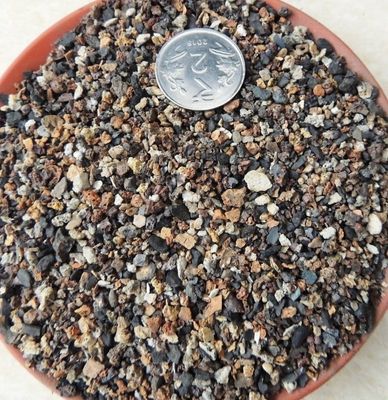
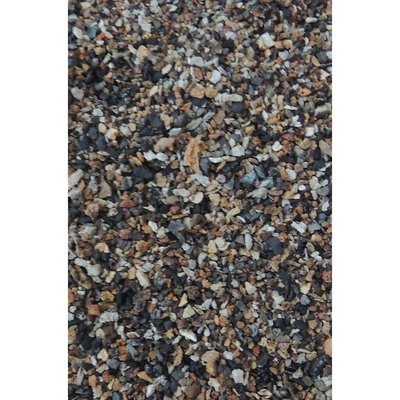
- Soil: Use a well-draining cactus or succulent mix enriched with coarse sand or pumice for optimal drainage.
- Temperature: Prefers warm temperatures between 65°F and 80°F (18°C to 27°C). Protect from frost—bring indoors or provide frost protection in colder climates.
- Additional Tips: Avoid overwatering; ensure proper drainage. Fertilize lightly during the active growing season with a diluted cactus or succulent fertilizer.
6. Interesting Anecdote:
Many growers consider Haworthia cooperi a "living gemstone" due to its jewel-like, translucent windows that seem to shimmer in sunlight. Indigenous peoples of South Africa have long admired this plant, believing it to be a symbol of clarity and protection—protecting its owner as a tiny, living talisman. Its delicate yet resilient form has inspired jewelry, decorative art, and miniature gardens, symbolizing beauty that thrives in adversity. Its charming, fragile appearance is a testament to nature’s artistry and adaptability.
Add the elegant, jewel-like charm of Haworthia cooperi to your collection and enjoy a miniature masterpiece of natural design—delicate, resilient, and utterly captivating!