

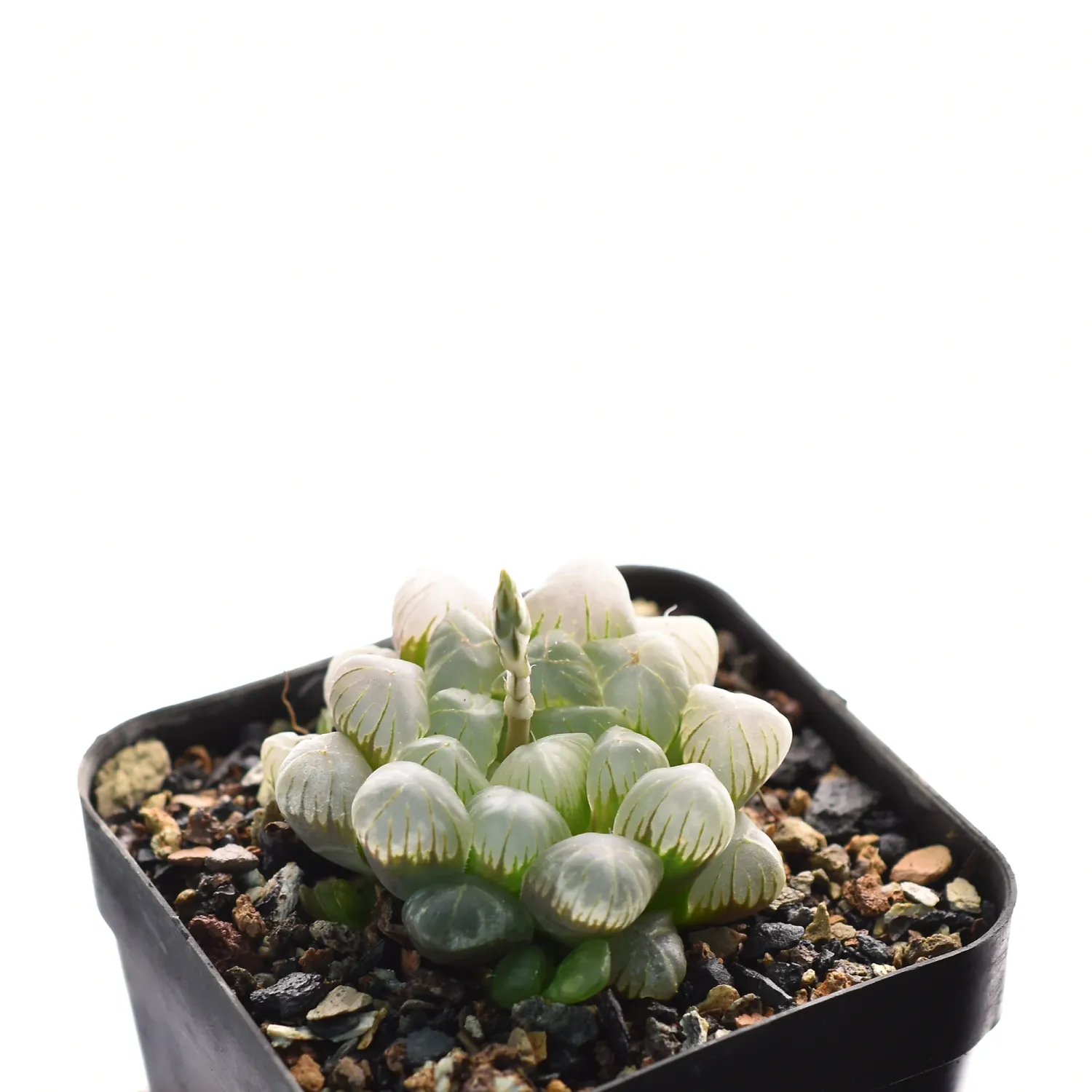
Haworthia cooperi v. truncata
Product Details
The Windowed Wonder: Haworthia cooperi v. truncata
A living cluster of translucent emerald orbs, this sought-after succulent redefines the concept of botanical transparency.
- Origin & History of Name: The genus is named after British botanist Adrian Hardy Haworth (1767–1833), who specialized in succulent flora.
The species epithet cooperi honors Thomas Cooper, a plant collector who gathered numerous South African specimens in the 1860s. The varietal name truncata stems from the Latin truncatus, meaning "cutoff," referring to the flattened, blunted appearance of the leaf tips. - Morphology: This plant is characterized by its compact, stemless rosette of fleshy leaves.
It features specialized "epidermal windows"—translucent tissue at the leaf apex that allows sunlight to penetrate deep into the plant's interior for photosynthesis. The leaves are globose (spherical) with a smooth epidermis, lacking the teeth or cilia found in other Haworthia species. - Habitat & Origin: This is a naturally occurring variety native to the Eastern Cape Province of South Africa. In the wild, it grows recessed into the ground to protect itself from intense heat and herbivory. All specimens provided are nursery-propagated via offsets or tissue culture to ensure the protection of wild populations and ecological sustainability.
- Cultivation Profile:
- Substrate: Use a strictly mineral-based mix. A ratio of 70% inorganic material (pumice, perlite, or crushed brick) to 30% organic matter is ideal to prevent root rot in humid Indian climates.
- Light: Provide bright, indirect light. In the Indian subcontinent, avoid direct afternoon sun which can "cook" the translucent windows; a north or east-facing balcony is perfect.
- Water/Dormancy: Water thoroughly only when the substrate is completely dry. During the peak summer heat and the monsoon (high humidity), reduce watering significantly as the plant enters a semi-dormant state.
- Scientific/Historical Anecdote: Haworthia were originally classified within the genus Aloe due to their similar succulent habits. It wasn't until the early 19th century that Haworth’s distinct morphological observations led to them being recognized as a separate genus. Interestingly, their "window" cells contain no chlorophyll, acting as natural fiber optics to channel light to the chlorophyll-rich base buried safely underground.
New
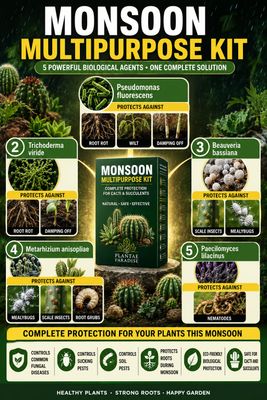
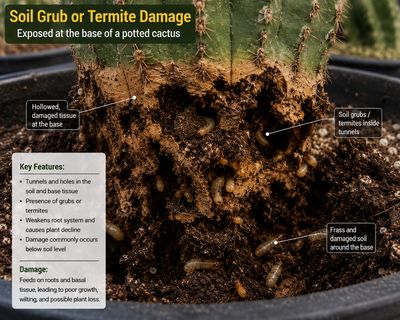
Monsoon Guardian Kit (5 in 1)
Monsoon Guardian Kit (5 in 1)
Complete 5-in-1 biological protection kit for cacti & succulents
SKU MNS024
₹850.00
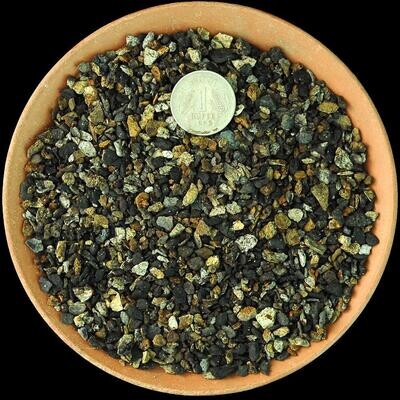
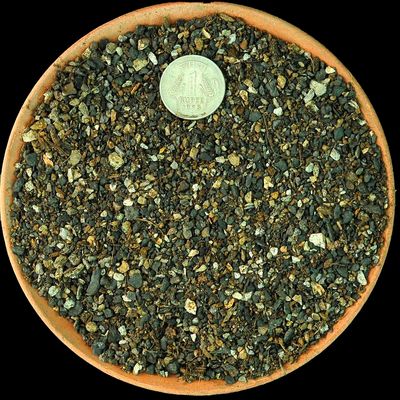
Cactus & Succulent Planting Mix COARSE (aka Cactus Soil Mix or Succulent Soil Mix)
Cactus & Succulent Planting Mix COARSE (aka Cactus Soil Mix or Succulent Soil Mix)
Washed, Free-Draining Mineral Mix for Cactus & Succulents
SKU MNS003
₹44.85
Cactus Seed Planting Mix
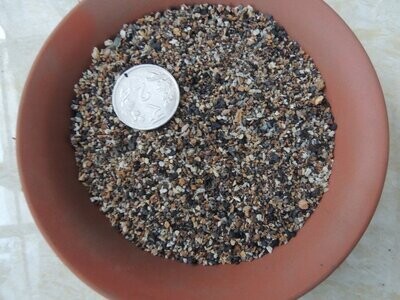
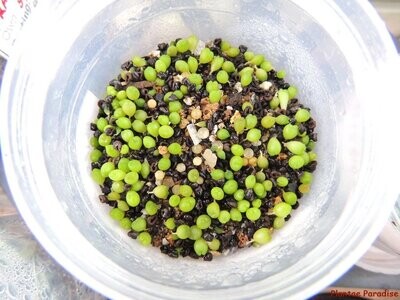
Cactus Seed Planting Mix
Sterile, Fine-Grain Media for Cactus & Succulent Seeds
SKU MNS005
₹74.85