

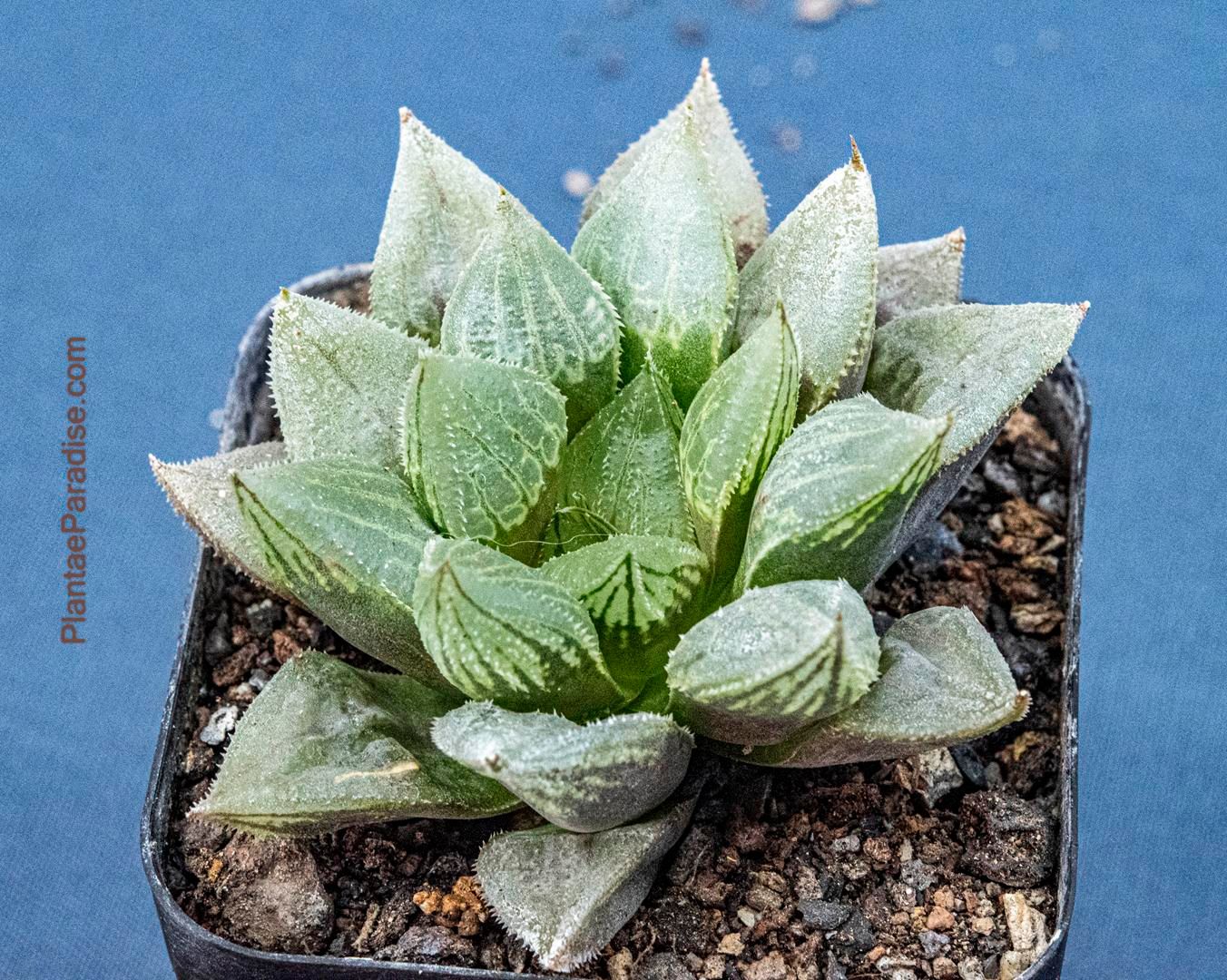
Haworthia Cooperi var. Venusta
Product Details
Haworthia cooperi var. venusta — Glassy-Leaf Haworthia; tiny, translucent-tipped rosettes with jewel-like charm, perfect for windowsills, dish gardens, and minimalist collections.
- Origin of Name
- Etymology: The genus name Haworthia honors Adrian Hardy Haworth (1767–1833), an English botanist and entomologist celebrated for his early work with succulent plants. The species epithet cooperi honors Richard Cooper (or another 19th-century plant collector/supplier named Cooper commonly referenced in horticultural literature), used to recognize contributions to the collection or introduction of the taxon. The varietal name venusta is from Latin venustus, meaning “charming,” “graceful,” or “beautiful,” applied to this form for its particularly attractive appearance.
- Naming history & synonyms: Haworthia cooperi was described in the 19th century from South African material; many local forms and varieties have been recognized by growers and botanists based on leaf translucency, color, and rosette form. Var. venusta is a horticultural or taxonomic designation used to indicate especially attractive clones with pronounced translucent “windowed” leaf tips and compact habit. As with many Haworthia, names and ranks have varied in horticultural practice; consult specialist literature for formal authorship and synonymy.
- Origin of Plant
- Natural habitat & geography: Native to the Eastern Cape and adjacent regions of South Africa, Haworthia cooperi grows in seasonally dry, rocky habitats—shale outcrops, crevices, and thin soils—often partially shaded beneath low shrubs. Microhabitat conditions (light, drainage, and exposure) strongly influence leaf translucency and coloration.
- Discovery history: Collected by 19th–20th century botanists and plant collectors, H. cooperi and its many locally distinct forms entered European and global cultivation early on. Growers selected and propagated particularly attractive clones, leading to varietal names such as venusta for especially showy forms.
- Description
- Habit & size: A small, slow-growing succulent forming tight rosettes that usually measure 1–4 inches (2.5–10 cm) across depending on the clone and age. It often forms small clusters via offsets.
- Leaves & texture: Leaves are fleshy, smooth, and typically bulbous with distinctive translucent “windowed” tips or panels that allow light to penetrate into the leaf interior—one of the genus’s signature traits. Var. venusta is noted for especially clear, glassy windows and attractive compact rosettes; leaf color ranges from bright green to pale green, sometimes with subtle brownish or purplish flushing under strong light. The overall appearance is jewel-like and softly sculptural.
- Flowers: Produces thin, wiry flower stalks bearing small tubular white to pale pink flowers, usually in late winter to spring. Flowers are delicate; the translucent foliage is the primary ornamental appeal.
- Ornamental traits: The miniature size, glassy leaf windows, and soft rosette form make this variety ideal for windowsills, terrariums (open), dish gardens, and mixed succulent arrangements where close-up texture and translucence are showcased.
- Conservation Status
- Wild status: Many Haworthia cooperi populations are not globally listed as critically endangered, but localized threats (habitat loss, land use change, and illegal collecting) can affect specific populations or unique clones. Varietal distinctions often reflect small, localized populations that may be sensitive to disturbance.
- Conservation notes: Buy from reputable growers who propagate via offsets or tissue culture rather than wild-collecting. Cultivation by nurseries and hobbyists helps conserve wild populations by reducing demand for wild material.
- Care
- Light: Bright, indirect light or morning sun; avoid prolonged hot afternoon sun which can scorch leaves and reduce translucency. Filtered light emphasizes the leaf windows.
- Water: Soak-and-dry method—water thoroughly, then allow the potting medium to dry before watering again. Reduce watering in winter. Avoid overwatering; sitting in moisture causes root rot.
- Soil & drainage: Use a fast-draining cactus/succulent mix with added pumice, coarse sand, or perlite (aim for ~50% mineral content). Excellent drainage and a shallow, gritty mix suit its crevice-dwelling nature.
- Temperature & humidity: Prefers 55–85°F (13–29°C). Protect from frost and sustained temps below ~40°F (4–5°C). Moderate indoor humidity is fine; avoid soggy conditions.
- Fertilizer & maintenance: Feed lightly during active growth (spring–early fall) with a diluted balanced fertilizer monthly. Repot every 2–3 years or when crowded. Propagate by gently separating offsets; leaf propagation is possible but slower.
- Pests & issues: Watch for mealybugs and root rot from overwatering. Good airflow and dry intervals minimize problems.
- Anecdote / Historical Note Haworthia cooperi’s translucent leaf windows fascinated Victorian collectors and modern enthusiasts alike—these tiny “viewports” are an ingenious adaptation that lets light penetrate shaded crevices where the plant naturally grows. Varieties prized for especially clear windows, like venusta, became collector favorites for tabletop and “cabinet” displays, celebrated for their miniature, gem-like appearance.

Cactus & Succulent Planting Mix COARSE (aka Cactus Soil Mix or Succulent Soil Mix)
Cactus & Succulent Planting Mix COARSE (aka Cactus Soil Mix or Succulent Soil Mix)
Washed, Free-Draining Mineral Mix for Cactus & Succulents
SKU MNS003
₹40.51


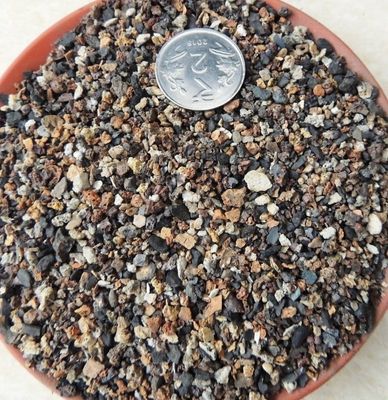
Cactus & Succulent Planting Mix FINE (aka Cactus Soil Mix or Succulent Soil Mix)
Cactus & Succulent Planting Mix FINE (aka Cactus Soil Mix or Succulent Soil Mix)
Fine-Grain Potting Mix for Cactus & Succulent Roots
SKU MNS001
₹35.51