

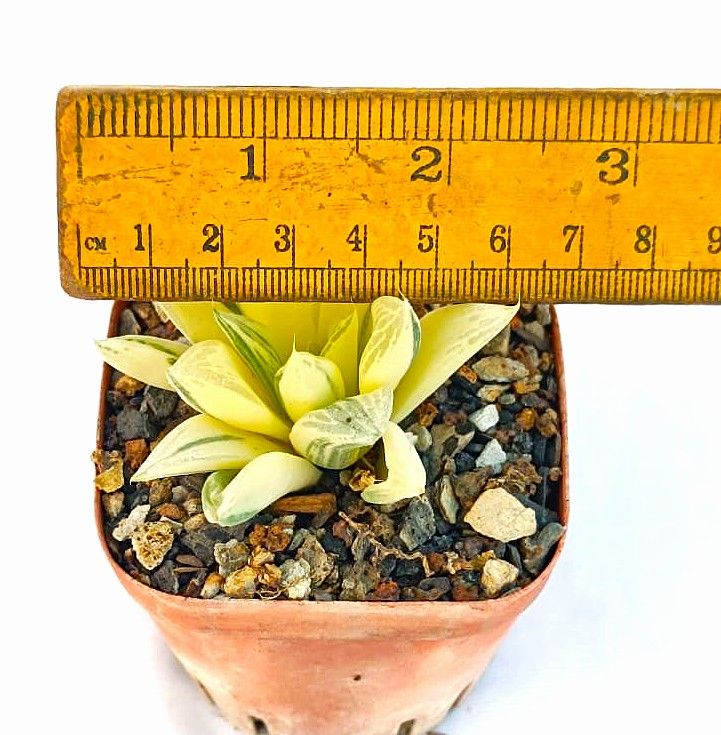
Haworthia cuspidata variegata
Product Details
Luminous Geometry: Haworthia cuspidata variegata
A rare, architectural treasure featuring translucent windows and striking creamy variegation for the discerning collector.
- Origin & History of Name: The genus was named by Henri Auguste Duval in 1809 in honor of British botanist Adrian Hardy Haworth, who contributed significantly to succulent classification.
The specific epithet cuspidata derives from the Latin cuspis, meaning "spear" or "pointed," referring to the sharp, wedge-like shape of the leaf tips. - Morphology: This succulent is characterized by its rosette form and thickened epidermis.
It features "fenestrate" or windowed leaves—translucent panels at the tips that allow light to reach internal photosynthetic tissues. The variegation occurs due to a lack of chlorophyll in certain sectors, resulting in the high-contrast white or yellow stippling that offsets its lime-green base. - Habitat & Origin: Haworthia cuspidata is widely considered a natural hybrid or cultivar, likely a cross between H. cymbiformis and H. retusa.
While its parent species hail from the Eastern Cape of South Africa, this variegated form is a product of selective greenhouse breeding. Our specimens are ethically propagated via offset division to ensure sustainability and genetic stability. - Cultivation Profile:
- Substrate: Use a gritty, mineral-based mix (e.g., 70% pumice or leca and 30% organic compost) to prevent root rot in humid Indian climates.
- Light: Thrives in bright, indirect light.
In India, avoid harsh afternoon sun which can scorch the non-pigmented variegated areas; a north or east-facing balcony is ideal. - Water/Dormancy: Water thoroughly only when the medium is completely dry. This plant enters a semi-dormant state during the peak heat of May–June; reduce watering significantly during this period and the monsoon to avoid fungal issues.
- Scientific/Historical Anecdote: Haworthias were originally classified under the genus Aloe due to their similar appearance.
It wasn't until the early 19th century that botanists realized these "miniature aloes" had distinct floral structures—specifically, their small, white, two-lipped (bilabiate) flowers—which justified their own unique genus.


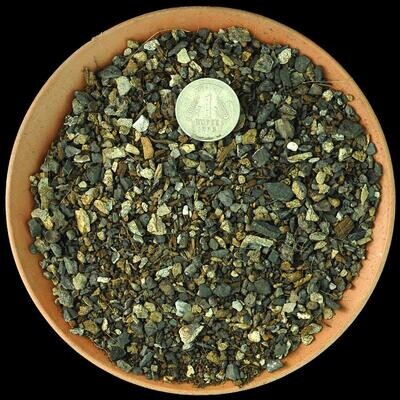
Cactus Seed Planting Mix
Cactus Seed Planting Mix
Sterile, Fine-Grain Media for Cactus & Succulent Seeds
SKU MNS005
₹74.85
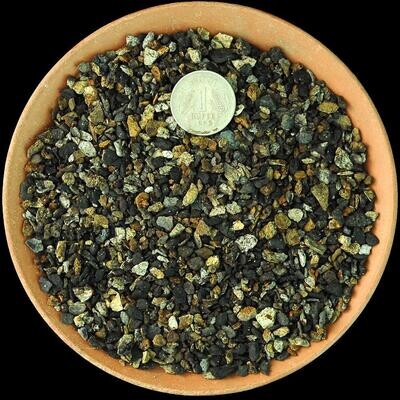
Cactus & Succulent Planting Mix COARSE (aka Cactus Soil Mix or Succulent Soil Mix)
Cactus & Succulent Planting Mix COARSE (aka Cactus Soil Mix or Succulent Soil Mix)
Washed, Free-Draining Mineral Mix for Cactus & Succulents
SKU MNS003
₹44.85
New


Monsoon Guardian Kit (5 in 1)
Monsoon Guardian Kit (5 in 1)
Complete 5-in-1 biological protection kit for cacti & succulents
SKU MNS024
₹850.00