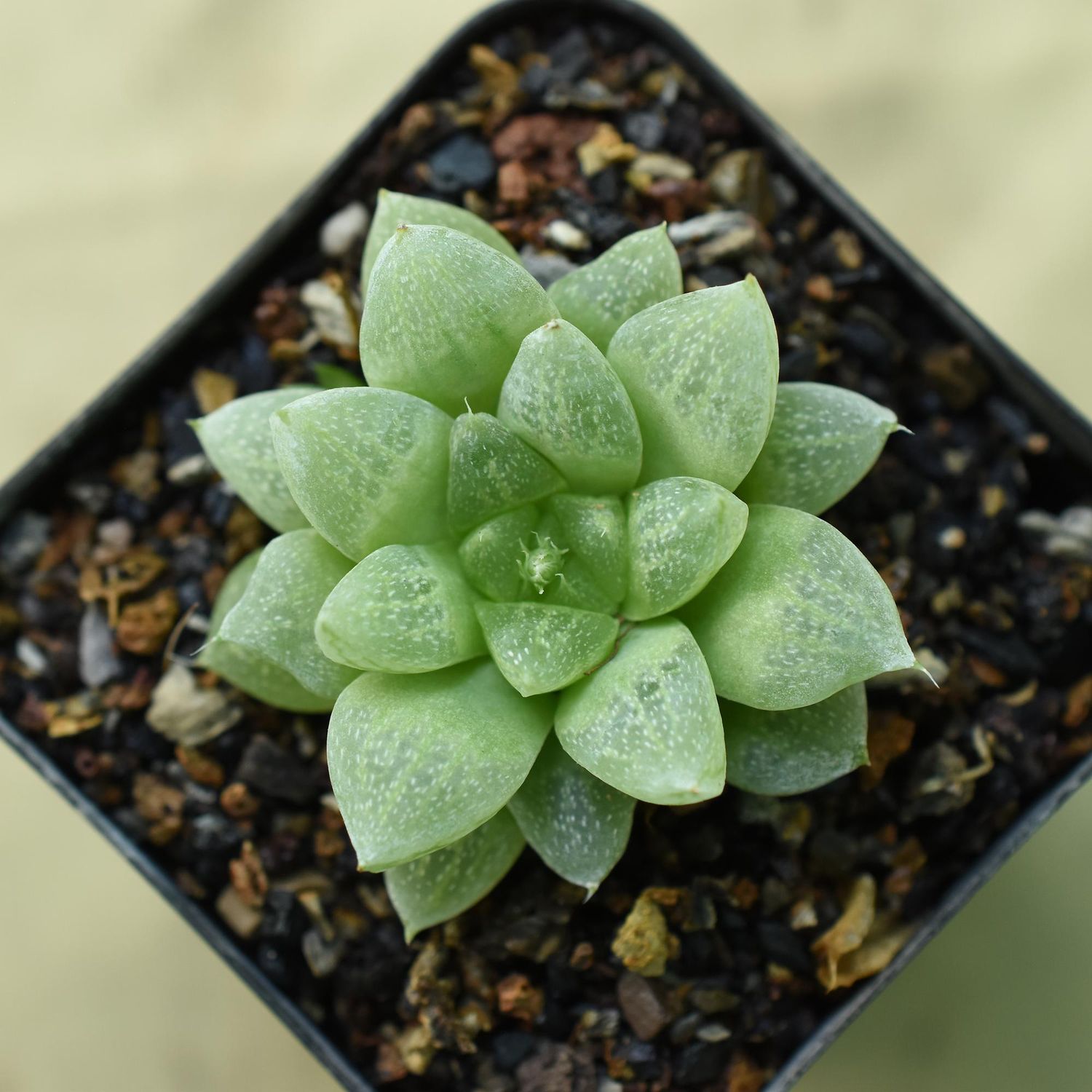
Haworthia cymbiformis White windows clone
Product Details
Ethereal Elegance: Haworthia cymbiformis 'White Windows' Clone
A luminous must-have for succulent collectors, prized for its exceptionally clear, ghostly translucent leaf tips.
- Origin & History of Name: The genus is named after British botanist Adrian Hardy Haworth (1767–1833).
- Morphology: This plant forms a stemless rosette of fleshy, obovate leaves.
- Habitat & Origin: While Haworthia cymbiformis is native to the Eastern Cape Province of South Africa, the 'White Windows' clone is a cultivator-selected variety (cultivar). It has been stabilized through vegetative propagation to ensure the specific "white" trait persists. Our specimens are nursery-grown via offsets, ensuring no impact on wild succulent populations.
- Cultivation Profile:
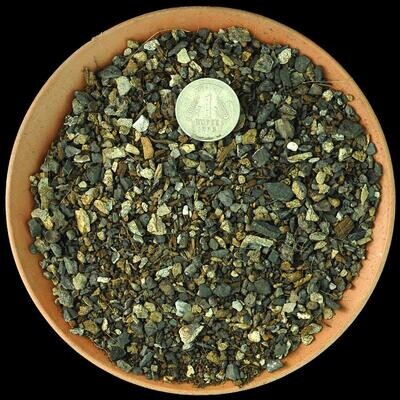
- Substrate: Use a strictly mineral-based mix (70% inorganic). In India, a blend of crushed expanded clay (leca), fine pumice, or perlite with a small amount of coco-peat is ideal to prevent root rot during monsoon.
- Light: Bright, indirect light. In the Indian subcontinent, avoid harsh afternoon sun which can "scorch" the windows; a north or east-facing balcony is perfect.
- Water/Dormancy: Water thoroughly only when the substrate is bone dry.
- Scientific/Historical Anecdote: Haworthias perform a unique biological feat called "window-pane" photosynthesis. In their arid native habitat, these plants often grow half-buried in grit to stay cool. The transparent windows act like biological fiber optics, channeling sunlight deep into the underground part of the leaf, allowing the plant to "breathe" and grow while hidden from the scorching sun.
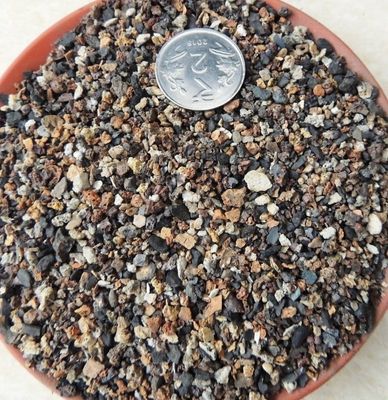
Cactus & Succulent Planting Mix FINE (aka Cactus Soil Mix or Succulent Soil Mix)
Cactus & Succulent Planting Mix FINE (aka Cactus Soil Mix or Succulent Soil Mix)
Fine-Grain Potting Mix for Cactus & Succulent Roots
SKU MNS001
₹35.51
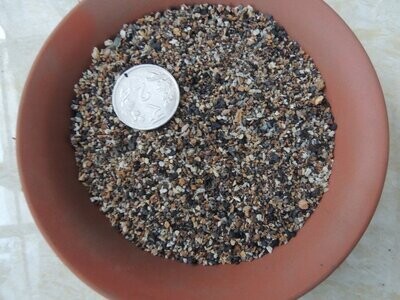
Cactus Seed Planting Mix
Cactus Seed Planting Mix
Sterile, Fine-Grain Media for Cactus & Succulent Seeds
SKU MNS005
₹70.51
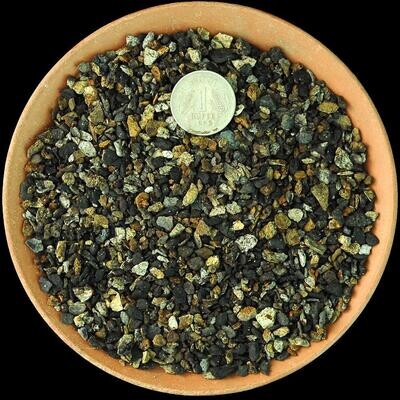
Cactus & Succulent Planting Mix COARSE (aka Cactus Soil Mix or Succulent Soil Mix)
Cactus & Succulent Planting Mix COARSE (aka Cactus Soil Mix or Succulent Soil Mix)
Washed, Free-Draining Mineral Mix for Cactus & Succulents
SKU MNS003
₹40.51