

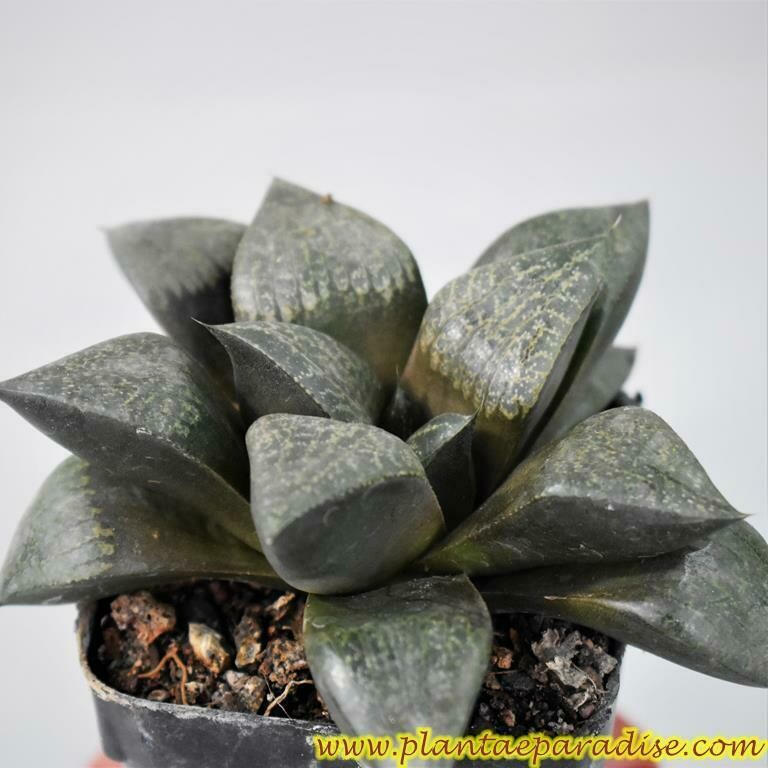
Haworthia emelyae var. comptoniana
Product Details
Haworthia emelyae var. comptoniana — Sculpted, Mottled Haworthia; dramatic, patterned rosettes with geometric leaf windows—an architectural, low‑maintenance showpiece for pots and dish gardens.
- Origin of Name
- Etymology: The genus name Haworthia honors Adrian Hardy Haworth (1767–1833), an English botanist and entomologist noted for early succulent studies. The species epithet emelyae honors Mrs. or Mr. Emely/Emelya (historically recorded as a dedication by the describing author) — used to commemorate a person associated with the plant’s discovery or introduction. The varietal name comptoniana recognizes Robert Harold Compton (1886–1979), a prominent South African botanist and director of the Cape Town Botanical Garden, who is commemorated in many South African plant names for his contributions to regional botany.
- Naming history & notes: Haworthia emelyae was described in the early-to-mid 20th century as botanists and collectors documented diverse local Haworthia populations. Var. comptoniana denotes a recognized local form or horticultural variant distinguished by leaf patterning, windowing and coloration. As with many Haworthia taxa, historical horticultural names and varietal usages reflect collector practice and regional provenance; modern taxonomic work may adjust ranks, but the varietal name remains useful to growers and collectors.
- Origin of Plant
- Natural habitat & geography: Haworthia emelyae (and its varieties) are native to the Western and Eastern Cape regions of South Africa. These plants inhabit rocky shale outcrops, crevices, and thin soils in seasonally dry climates, often receiving dappled light beneath low shrubs. Var. comptoniana represents a local ecotype or population adapted to specific microhabitats within this range.
- Discovery history: Local collectors and botanists in South Africa documented numerous Haworthia populations through 20th‑century surveys; distinctive regional forms like comptoniana entered cultivation via botanical gardens, specialist growers, and collector networks.
- Description
- Habit & size: A compact, clumping succulent forming tight rosettes typically 2–6 inches (5–15 cm) across depending on clone and growing conditions. It offsets slowly to form attractive clusters.
- Leaves & patterning: Leaves are thick, triangular to flared, and often recurved, creating a sculptural rosette. Var. comptoniana is prized for distinct surface patterning—mottled, marbled or banded markings and often well‑defined translucent “windows” or panels near the leaf tips that permit light penetration (a classic Haworthia trait). Leaf coloration ranges from bright to gray‑green; under bright light or mild stress tones may deepen to bronze, purple, or mahogany accents, enhancing contrast with pale mottling. Margins may be smooth or finely toothed depending on the clone.
- Texture & form: Surface may be smooth to lightly textured; overall effect is architectural, with geometric markings and translucent spots that catch light beautifully.
- Flowers: Produces slender, wiry inflorescences bearing small tubular white to pale pink flowers, typically in late winter to spring. Flowers are delicate and secondary to the dramatic foliage.
- Ornamental traits: Mottled patterning, leaf windows, and compact, sculptural habit make var. comptoniana a standout in small pots, crevice plantings, and mixed succulent compositions—especially where close-up pattern and texture are admired.
- Conservation Status
- Wild status: Many Haworthia taxa are not globally listed as critically endangered but can face localized threats from habitat loss, land conversion, and illegal collection. The conservation status of var. comptoniana depends on its precise distribution and population trends in the Cape region.
- Conservation notes: Purchase from reputable growers who propagate via offsets or tissue culture. Responsible nursery propagation and supporting habitat protection reduce pressure on wild populations.
- Care
- Light: Bright, indirect light or morning sun. Translucent windows and patterning are best shown in bright, filtered light; avoid prolonged harsh afternoon sun to prevent scorching. Moderate sun exposure will intensify colors and patterns.
- Water: Soak‑and‑dry method—water thoroughly, then allow the potting mix to dry before watering again. Reduce watering in winter when growth slows. Avoid waterlogging to prevent root rot.
- Soil & drainage: Use a fast‑draining succulent/cactus mix amended with pumice, coarse sand, or perlite (aim for ~50% mineral content). A shallow, gritty mix mimics the plant’s natural crevice habitat.
- Temperature & humidity: Prefers 55–85°F (13–29°C). Protect from frost and sustained temperatures below ~40°F (4–5°C). Average indoor humidity levels are fine.
- Fertilizer & maintenance: Light feeding during active growth (spring–early fall) with a diluted balanced fertilizer monthly is adequate. Repot every 2–3 years if crowded. Propagate by separating offsets when large enough.
- Pests & issues: Monitor for mealybugs and root rot; ensure good airflow and drying intervals between waterings.
- Anecdote / Historical Note Haworthia emelyae varieties, including comptoniana, became favorites among South African and international collectors for their theatrical leaf patterns and translucent windows—traits that made them ideal for close‑up display in Victorian glasshouses and modern dish gardens alike. The varietal name comptoniana honors R.H. Compton’s legacy in South African botany, linking these delicate miniature sculptures to the region’s rich botanical exploration history.
New
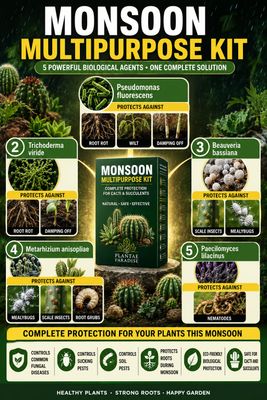
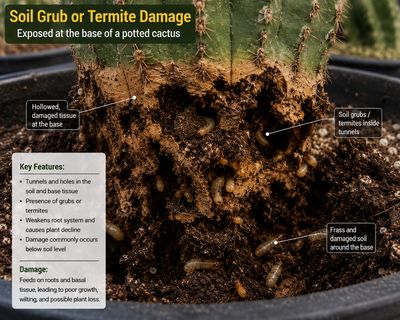
Monsoon Guardian Kit (5 in 1)
Monsoon Guardian Kit (5 in 1)
Complete 5-in-1 biological protection kit for cacti & succulents
SKU MNS024
₹850.00

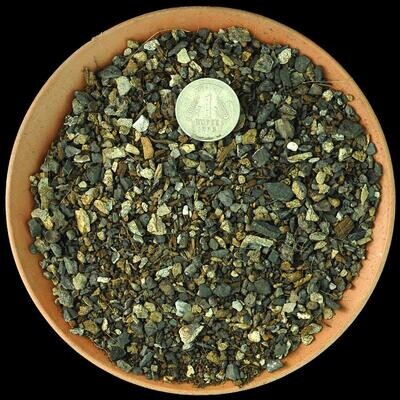
Cactus & Succulent Planting Mix COARSE (aka Cactus Soil Mix or Succulent Soil Mix)
Cactus & Succulent Planting Mix COARSE (aka Cactus Soil Mix or Succulent Soil Mix)
Washed, Free-Draining Mineral Mix for Cactus & Succulents
SKU MNS003
₹44.85


Cactus Seed Planting Mix
Cactus Seed Planting Mix
Sterile, Fine-Grain Media for Cactus & Succulent Seeds
SKU MNS005
₹74.85