

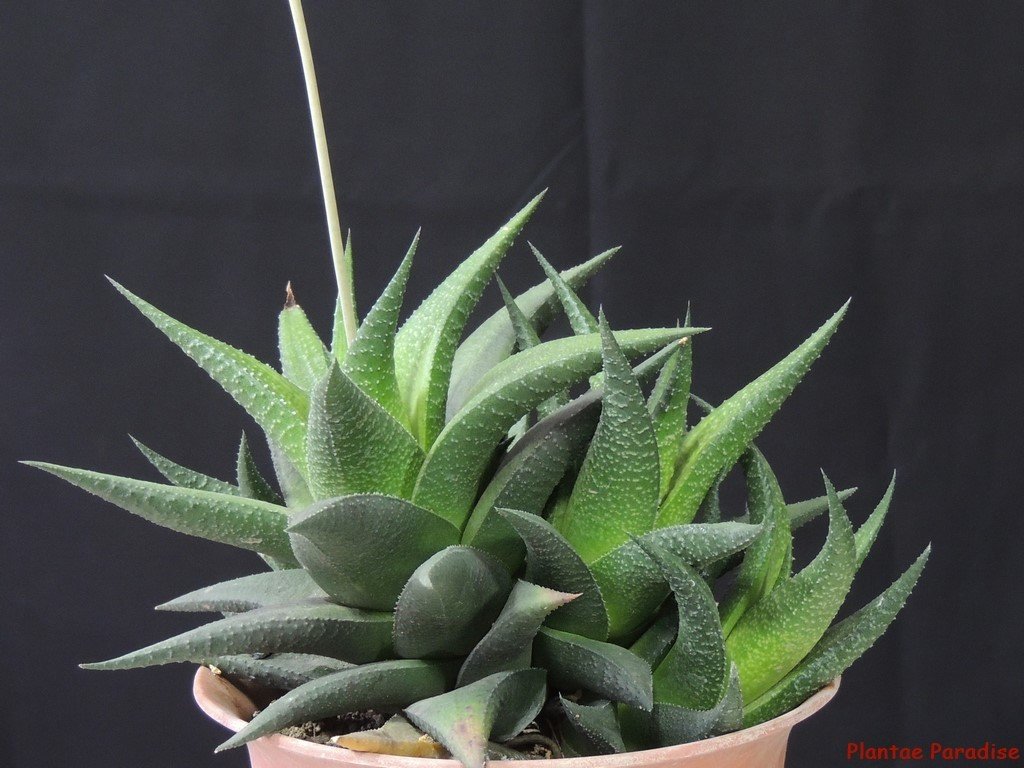
Haworthia glabrata. ex.Joaquín Dutch. Venezuela
Product Details
Haworthia glabrata — Sleek Sculptural Haworthia; smooth, compact rosettes that bring minimalist elegance to small pots and succulent collections.
- Origin of Name
- Etymology: The genus name Haworthia honors Adrian Hardy Haworth (1767–1833), an English botanist and entomologist known for early studies of succulents and for publishing works on plant classification. The species epithet glabrata derives from Latin glabratus, meaning “becoming smooth” or “nearly hairless,” a reference to the relatively smooth, less tubercled leaf surfaces that distinguish this taxon from many other Haworthia species.
- Naming history & authorship: Haworthia taxa were described by 19th–20th century botanists working with South African collections. The name H. glabrata has appeared in horticultural literature and specialist works; formal authorship and synonymy can vary between sources due to complex taxonomic history within Haworthia. For precise author citation consult botanical databases (e.g., Plants of the World Online, World Checklist) or original descriptions by Haworthia specialists such as M.B. Bayer.
- Reason for name: The epithet emphasizes the plant’s smooth leaf texture compared with more heavily tubercled relatives, making it a practical descriptive name used by taxonomists and growers.
- Origin of Plant
- Natural habitat & geography: True Haworthia species are native to South Africa (primarily Eastern Cape and adjacent areas). They grow on rocky slopes, crevices, and shale outcrops where drainage is excellent and plants receive filtered light beneath shrubs or in crevices.
- Discovery history: Many Haworthia were collected by European and South African botanists in the 19th and early 20th centuries and introduced into cultivation. H. glabrata, like other locally distributed Haworthias, entered collections via botanical gardens and private growers; cultivation thereafter expanded its availability in the nursery trade.
- Description
- Habit & size: H. glabrata is a small, clumping succulent forming neat rosettes that typically range from 2–6 inches (5–15 cm) across depending on clone and age. It offsets slowly to form compact clusters.
- Leaves & texture: Leaves are fleshy, relatively smooth to lightly textured, and arranged in tight rosettes. Color is generally green to gray-green; under bright light tips and margins may flush reddish-brown. Leaf shape is triangular to oblong with a blunt to slightly pointed tip. The smoother surface (compared with tubercled Haworthias) gives the plant a sleek, polished appearance.
- Flowers: Produces slender, wiry inflorescences bearing small tubular white to pale pink flowers, usually during late winter to spring. Flowers are delicate and secondary to the foliage’s ornamental value.
- Ornamental traits: Its understated, sculptural form and smooth leaves make H. glabrata ideal for minimalist displays, shallow dishes, crevice plantings, and as a contrasting partner in mixed succulent compositions.
- Conservation Status
- Wild status: Conservation assessments vary by species and population. Many Haworthia species are not globally listed as critically endangered but can face local threats from habitat loss and illegal collecting. Specific conservation status for H. glabrata depends on verified wild populations and taxonomic treatment.
- Conservation notes: Purchase from reputable growers who propagate plants via offsets or tissue culture rather than collecting from the wild. Cultivation and nursery propagation help reduce pressure on native populations.
- Care
- Light: Bright, indirect light or morning sun. Avoid prolonged harsh afternoon sun which can scorch leaves. Bright light will enhance form and may bring out subtle color tones.
- Water: Use the soak-and-dry method—water thoroughly, then allow the potting mix to dry before watering again. Reduce watering in winter when growth slows. Overwatering can cause root rot.
- Soil & drainage: Plant in a fast-draining cactus/succulent mix with added pumice, perlite, or coarse sand (aim for ~50% mineral content). Excellent drainage is essential.
- Temperature & humidity: Prefers 55–85°F (13–29°C). Protect from frost and prolonged temperatures below ~40°F (4–5°C). Typical indoor humidity levels are fine.
- Fertilizer: Light feeding during active growth (spring–early fall) with a diluted balanced fertilizer monthly is sufficient.
- Propagation & maintenance: Propagate by separating offsets or from seed. Repot every 2–3 years if crowded. Monitor for pests such as mealybugs; provide good airflow and allow drying between waterings.
- Anecdote / Historical Note Haworthias became fashionable with Victorian-era collectors who displayed compact succulents in cabinet gardens and glasshouses. H. glabrata’s smooth, sculptural leaves provided a refined contrast to heavily textured species — a quality prized both historically and by today’s minimalist collectors seeking calm, architectural plants.

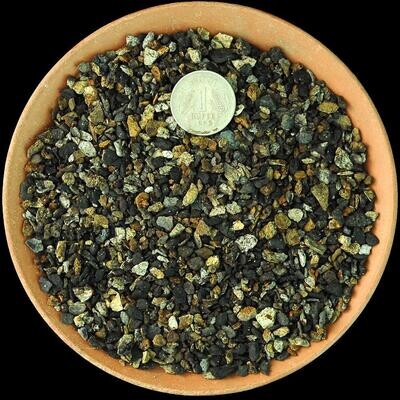
Cactus & Succulent Planting Mix COARSE (aka Cactus Soil Mix or Succulent Soil Mix)
Cactus & Succulent Planting Mix COARSE (aka Cactus Soil Mix or Succulent Soil Mix)
Washed, Free-Draining Mineral Mix for Cactus & Succulents
SKU MNS003
₹44.85

New


Monsoon Guardian Kit (5 in 1)
Monsoon Guardian Kit (5 in 1)
Complete 5-in-1 biological protection kit for cacti & succulents
SKU MNS024
₹850.00